



Showing 56 results:
Windows and Doors
Windows and Doors
DIY Guide:
Add Weatherstrip to Windows and Doors

Add weatherstrip to windows and doors that open to the outdoors or unconditioned spaces like attics and basements to decrease air leakage and heating and cooling losses.
DIY Guide:
Air Seal and Insulate Window Rough Openings

Air seal the rough opening around windows and doors prior to installing trim to minimize air leakage.

Air seal and insulate around old wooden windows to remove or renovate pocket weights, decrease heating and cooling losses, and make your home more comfortable.
DIY Guide:
Clean Window Weep Holes

Cleaning window weep holes helps to ensure proper window drainage, preventing water damage in the wall.
DIY Guide:
Install Cellular Blinds
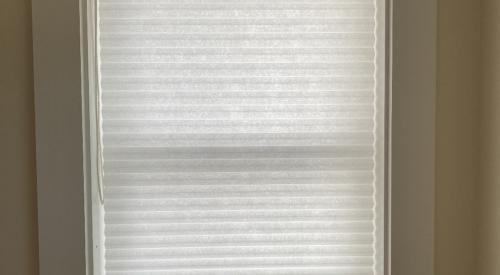
Installing cellular blinds on your windows can provide privacy, shade, and style while reducing cooling and heating energy costs, improving comfort, and increasing a home’s resistance to extreme heat events.
DIY Guide:
Install Exterior Storm Windows

Using storm windows can increase your home’s energy efficiency, reduce drafts and glare, block out outside noise, and make your home feel more comfortable.
DIY Guide:
Install Interior Storm Windows

Using storm windows can increase your home’s energy efficiency, reduce drafts and glare, block out outside noise, and make your home feel more comfortable.
DIY Guide:
Install or Replace Door Sweeps

Door sweeps are a type of metal weatherstripping that is installed at the bottom of exterior doors to prevent air infiltration, reduce drafts, increase the durability of the door, and reduce pest intrusion.
DIY Guide:
Insulate and Weatherstrip a Garage Door

Install garage door insulation to help maintain moderate temperatures in your garage.
Attic
Attic
DIY Guide:
Air Seal and Insulate Attic Access
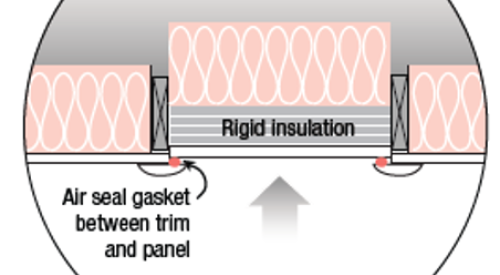
Openings used for access to the attic such as access panels, doors into knee walls, or dropdown stairs should be air-sealed and insulated.
DIY Guide:
Air Seal Flue Shafts and Chimneys in Attic

Use heat-resistant caulk and sheet metal to air seal flues and chimneys in the attic.
DIY Guide:
Look For and Install Attic Vent Baffles

Look at the attic to make sure there are baffles in place at soffit vents to keep wind from blowing insulation; if they are missing install them.

Looking at your home with an infrared (IR) camera can reveal missing insulation and air leakage.
Heating & Cooling
Heating & Cooling
DIY Guide:
Air Seal and Repair Ducts

Seal and repair your central heating system’s ducts to make sure heated or cooled air gets to all the rooms of your house as efficiently as possible.
DIY Guide:
Air Seal HVAC Air Handler Unit Cabinet

Sealing seams and holes in the air handler or furnace cabinet of central forced-air HVAC systems prevents the loss of conditioned air and improves the performance of your HVAC equipment.
DIY Guide:
Clean Ductless Heat Pump Air Filters

Clean the air filters in your ductless heat pumps every 3 months to ensure proper operation.

Determine if you can benefit from replacing your old thermostat with a new smart thermostat.

Awnings protect the outdoor compressor unit of your heat pump or air conditioner from snow, rain, and hail.
DIY Guide:
Look at Refrigerant Line Set Insulation for Air Conditioners or Heat Pumps and Replace if Needed

Look at the condition of the insulation on the refrigerant pipe from the house to the outdoor unit of the home’s air conditioning or heat pump system and replace or hire an HVAC contractor to replace if needed.
DIY Guide:
Look for Condensate Drain Line Insulation

Look at the condensate drain line of your air conditioner, heat pump, or condensing furnace or boiler to make sure it is insulated.
DIY Guide:
Look for Signs of a Gas Furnace Backdrafting

Look at a gas furnace for signs of backdrafting, if the furnace is an older model that does not have a sealed combustion chamber and sealed exhaust pipe.

DIY guide showing how to pick a replacement air filter and how to replace the filter in home’s HVAC system when the air filter is located in a return grille in a ceiling, floor, or wall.

DIY guide showing how to replace the filter in a home’s HVAC system when the air filter is located in an air filter slot on the furnace.
Indoor Air Sealing
Indoor Air Sealing
DIY Guide:
Air Seal Bath Fan from Below

Air sealing your bathroom exhaust fan can prevent attic air from leaking into the home and heated air from leaking into the attic, improving comfort and reducing energy bills.
DIY Guide:
Air Seal Bottom Plates

Caulking the base of your walls is a simple way to reduce air leakage, reduce drafts, improve comfort, and increase the energy efficiency of your home.

For homes with heating registers in the ceiling or floor, air seal where the duct boots meet the ceiling drywall or the flooring to prevent heat loss around the register.
DIY Guide:
Air Seal Electric Outlets and Switches

Sealing air leaks around electrical outlets and switches helps prevent conditioned air from escaping through wall cavities to reduce energy loss and improve home comfort.
DIY Guide:
Air Seal Fireplace When Not in Use

Make and install a chimney air sealing pillow to block air flow through your chimney when it will not be in use for long periods.
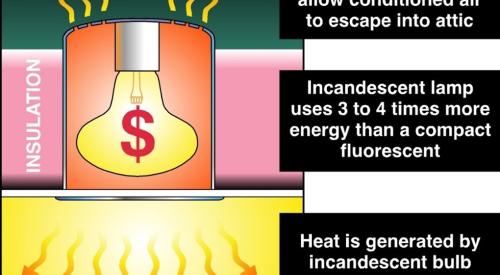
Install LED inserts into old recessed can lights to replace inefficient bulbs and air seal the can.
Foundation
Foundation
DIY Guide:
Air Seal Crawlspace Access

Air seal and insulate your crawlspace hatch to prevent air flow and heat transfer between the crawlspace and the living space of your home.
DIY Guide:
Air Seal Floor Penetrations

Air seal penetrations in the floor to prevent air leakage and reduce energy losses.

Walls
Walls
DIY Guide:
Caulk Exterior Walls

Replace cracked or missing caulk along windows, doors, and trim on exterior walls to prevent water intrusion into walls.

Use caulking and metal flashing to seal around kitchen or bath vents in roof or exterior walls.

Use caulking and spray foam to flash and air seal piping and wiring that comes through exterior walls.
DIY Guide:
Look for Missing Window and Door Flashing

Missing flashing around doors and windows can lead to water infiltration and major damage and rot that is hidden inside of the wall.
Appliances & Lighting
Appliances & Lighting
DIY Guide:
Check Refrigerator Temperature

To ensure both food safety and energy efficiency, the refrigerator and freezer temperatures should be checked regularly using a refrigerator thermometer.
DIY Guide:
Clean Dryer Exhaust

Cleaning your dryer duct annually will make your clothes dry faster, save energy, and could prevent a fire.
DIY Guide:
Clean Refrigerator Condenser Coils

To maximize the life of your refrigerator, ensure your refrigerator cools your food down quickly, and save energy, it is important to clean the condenser coils behind or below the refrigerator every 6 to 12 months.
DIY Guide:
Install a High-Efficiency Clothes Washer

Install a high-efficiency ENERGY STAR-certified clothes washer.

Install a ventless heat pump clothes dryer or combination washer/dryer for energy savings and space savings.

Ductless heat pumps should be checked periodically to see if they need a deep cleaning to remove dust and mold and keep them operating efficiently.
DIY Guide:
Upgrade Linear Fluorescents to LEDs

Converting your existing fluorescent fixtures to LED technology offers improved energy efficiency and longer bulb life. This guide demonstrates the step-by-step process for safely rewiring a linear fluorescent light fixture to accommodate LED tubes.
Water Heating & Plumbing
Water Heating & Plumbing
DIY Guide:
Check Water Heater Temperature

Turning your water heater temperature down to 120°F can promote safety, save energy, and improve system efficiency.
DIY Guide:
Clean Heat Pump Water Heater Air Filter

Clean the air filter in the heat pump water heater periodically to maintain water heater performance.

Tankless water heaters contain an air filter and a water filter screen, which require regular cleaning.
DIY Guide:
Flush Water Heater Tank

Flush your water heater tank to improve performance and longevity.
DIY Guide:
Install a Heat Pump Water Heater

Replace an electric-resistance water heater with a heat pump water heater for energy savings.

Insulating your electric resistance water heater is a simple, inexpensive method to reduce standby heat losses and improve energy efficiency.
DIY Guide:
Insulate Hot Water Pipes
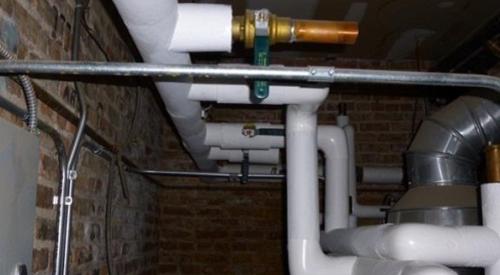
Insulating hot water pipes gets more hot water to pipes faster, reducing wear on your water heater, saving on water heating costs, and protecting pipes from freezing.

Look for signs of a gas water heater backdrafting (allowing combustion exhaust to spill back into the house instead of going up the flue).
Ventilation
Ventilation
DIY Guide:
Clean Bath Fan

Cleaning your bathroom exhaust fan inside and out can help it to perform more effectively at removing moisture from the home while using less energy, making less noise, and helping the fan to last longer.
DIY Guide:
Clean or Replace Range Hood Filter

Clean or replace the filter on your range hood exhaust fan to improve its effectiveness and efficiency.
DIY Guide:
Look at Exhaust Fans for Venting to Outside

Look in the attic or crawlspace to make sure your bathroom and kitchen exhaust fans are venting outside instead of into the attic or crawlspace.
DIY Guide:
Retrofit a Range Hood to Vent to Outside

Replace an existing recirculating kitchen fan with a kitchen exhaust fan that is ducted to the outside or install a new kitchen exhaust fan that is ducted to the outside.
Roof
Roof
DIY Guide:
Look for Missing Roof and Wall Flashing

Missing flashing can lead to water infiltration and major damage and rot that may be hidden beneath the walls or roof.