Materials Cost: FREE
Difficulty Level: 1

Introduction

Look at the crawlspace for moisture issues. 

Why

No one likes going into a crawlspace; however, it is important to aim to look at least once a year. Inside the crawlspace, you’ll be looking for problems with moisture, insulation, ventilation, pests, and structural issues. Letting these types of problems fester undetected can lead to serious structural damage and thousands of dollars in repair costs. Looking annually can help you address problems early and protect your home, saving you time, money, and stress.

What You'll Need

  • Half-mask respirator and safety glasses or a full face respirator
  • Full-coverage coveralls with hood 
  • Headlamp
  • Secondary battery-powered light
  • Gloves
  • Kneepads
  • Camera or smartphone camera
  • Wood moisture sensor
  • Air moisture meter (humidity sensor)
  • Note pad and pen or cell phone for taking notes.

1. Pick a time to look.

The best time to look at the crawlspace is as soon as you suspect a problem down there - it could be due to a bad smell in the house or noises coming from the crawlspace. If there are no signs of an active crawlspace problem, the best time to look at a crawlspace is in the spring or fall after a significant rain event – this will help you detect any active water intrusion issues. If you have crawlspace vents, look during daylight hours so light coming in the vents can help you navigate. 


2. Gather supplies and get suited up.

Take the time to gather supplies (camera, wood moisture sensor, air moisture sensor, flashlight, headlamp, gloves, notepad and pen or cell phone for taking notes). You don’t want to be down in the crawlspace far from the entrance and then realize you forgot something. Check that your light sources are fully charged. Review the signs to keep an eye out for that link to moisture, insulation, ventilation, pest, and structural problems. Review this list of what to look for.

  1. Moisture problems. 
    Signs include standing water, puddles, water stains, efflorescence (a white, crystalline powdery deposit on the surface of concrete walls, damp insulation, mold or mildew growth, and rusty pipes and nails. 
    Common causes could be a water leak, sewer leak, water entry from rain or melting ice or snow outside the house, a non-working dehumidifier in the crawlspace, or a torn, poorly installed, or missing vapor barrier on the crawlspace floor.
  2. Insulation problems. 
    Signs include missing insulation, sagging insulation, wet insulation, and discolored insulation. 
    Common causes include poor installation, high humidity or water in the crawlspace, air leaks between the crawlspace and the inside of the house, and pests in the crawlspace. The rim joist and the areas furthest from the crawlspace entrance are common areas of missing insulation due to improper installation.
  3. Ventilation problems.
    Signs include bad odors, mold or mildew growth, and moisture problems. 
    Common causes include debris clogging the crawlspace vents, or foam blocks that were placed in the wall vents to “winterize” the crawlspace then left in all year. Leaking, disconnected, kinked, or sagging HVAC ducts in the crawlspace can result in HVAC problems in the living space and problems in the crawlspace with pressurization or depressurization.
  4. Pest problems.
    Signs include droppings, areas of disturbed, discolored, or missing insulation, chewed wires, damaged vapor barrier, wood damage, and soil disturbances. 
    Common causes could be rats, mice, racoons, opossums, rabbits, snakes, skunks, squirrels, bats, powderpost beetles, carpenter ants, and termites.
  5. Structural problems.
    Signs include sagging floor joists, sawdust, mold or mildew on wood, support posts that are not making contact with the pier, and large cracks in wood support members. 
    Common causes are high moisture levels in the crawlspace, bad soil or bad soil conditions during construction, and wood-boring insects and pests. 


Looking at the crawlspace could take over an hour and is a physically demanding task. Hire a contractor if you don’t feel up to it. Protect your clothes and skin by suiting up in a full-coverage Tyvek coverall with hood. Wear a properly fitted half-mask respirator and safety glasses or full face respirator, gloves, kneepads, and headlamp (Figure 1).
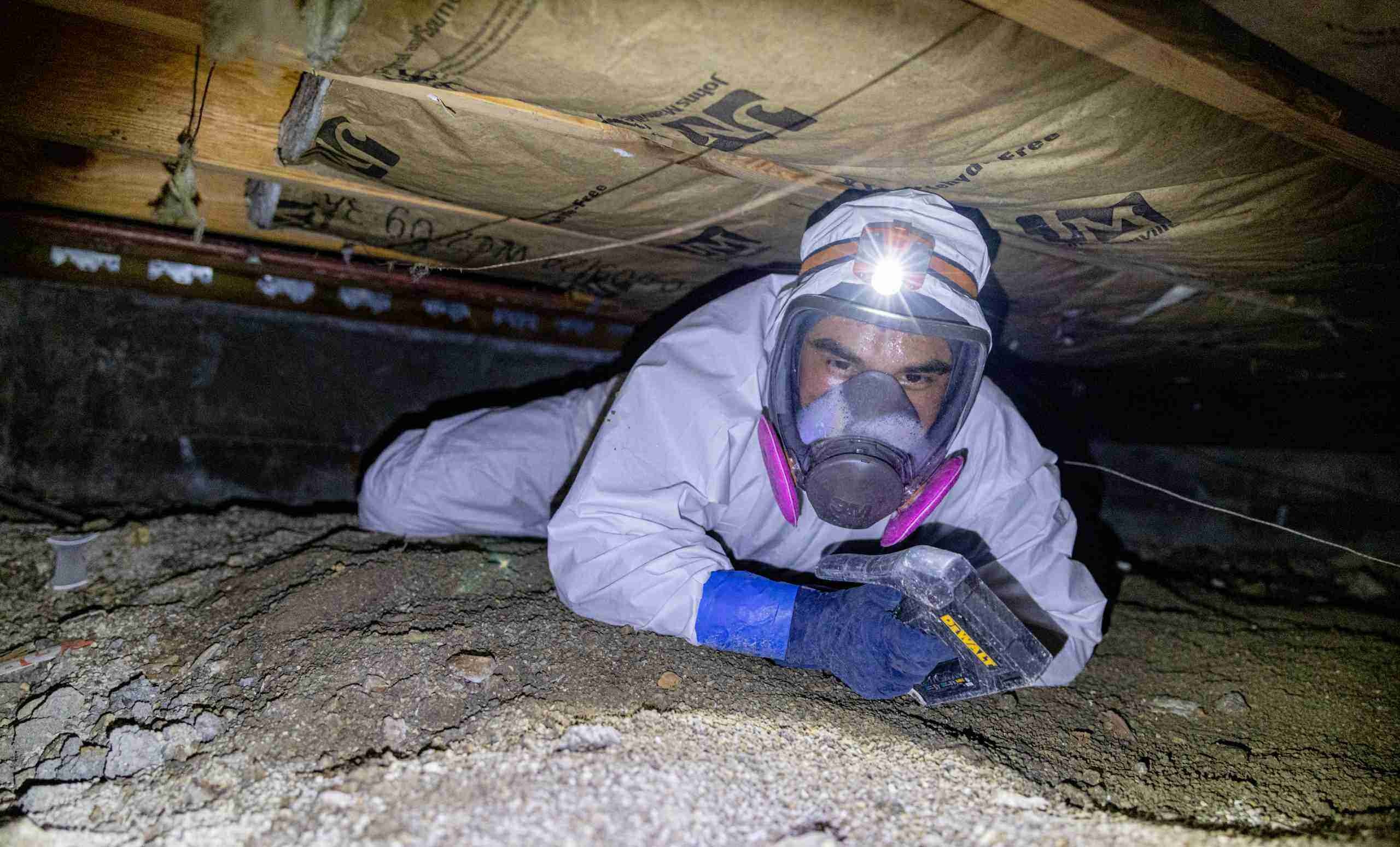
Figure 1. Example of full personal protective equipment (PPE) for looking at the crawlspace: full coverage coverall with hood, properly fitted half-mask respirator and safety glasses or a full-face respirator, gloves, kneepads, and headlamp (Source: PNNL).

3. Access the crawlspace.

Find the crawlspace access hatch. They are often located in bedroom closets. 

Remove storage items that might be obstructing the crawlspace access.


4. Navigating the Crawlspace.

Once you’re inside the crawlspace, develop a plan for how to methodically and efficiently navigate the crawlspace so you don’t miss any areas. For example, if you must crawl under a low beam or duct to access a section of crawlspace, develop a navigation plan that reduces the number of times you must crawl underneath that low section. 

Always evaluate and re-evaluate your personal safety. If there is a section with a significant amount of standing water, don’t go into that area. Document it and consult a professional to remove the water. If you see exposed electrical wire connections, document from afar and don’t touch the wires.


5. Visually check and take measurements.

Visually check and take measurements of the wood moisture level and the humidity level of the air while you are in the crawlspace (Figure 2). Generally wood moistures content above 18% is bad. Air relative humidity levels above 70% are bad. Figures 3 through 10 show additional pictures of good and bad situations you might encounter.
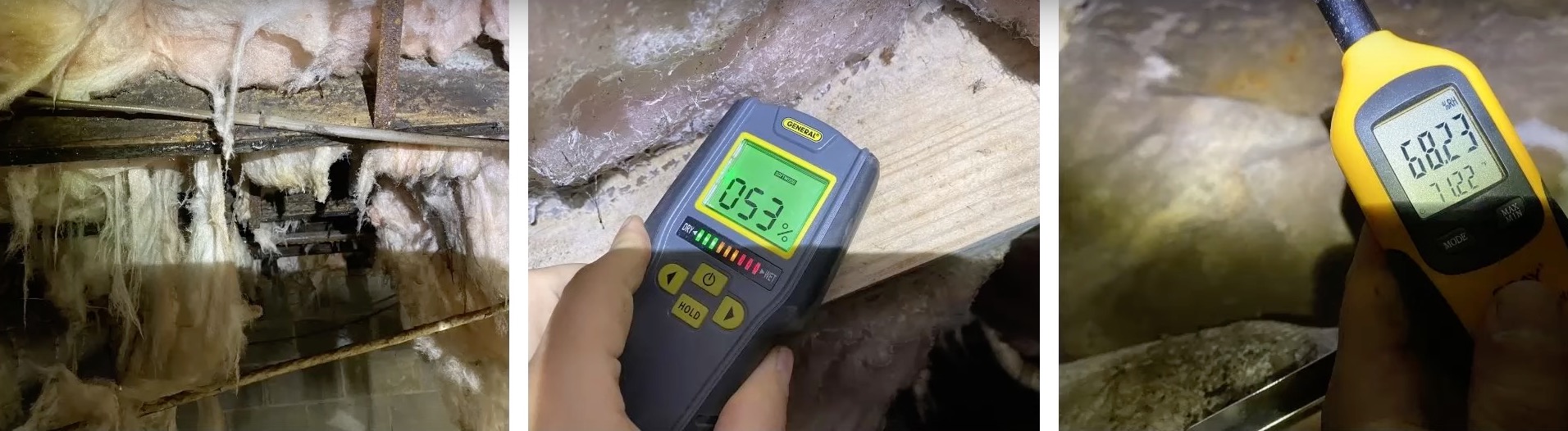
Figure 2. High moisture levels were detected in this crawlspace with a visual examination that showed sagging ceiling insulation and deteriorating floor joists (left), high wood moisture content measured with a pin sensor (center), and high humidity levels in the air (right) (Source: PNNL).
Moisture problems must be dealt with before sealing and insulating a crawlspace
Source
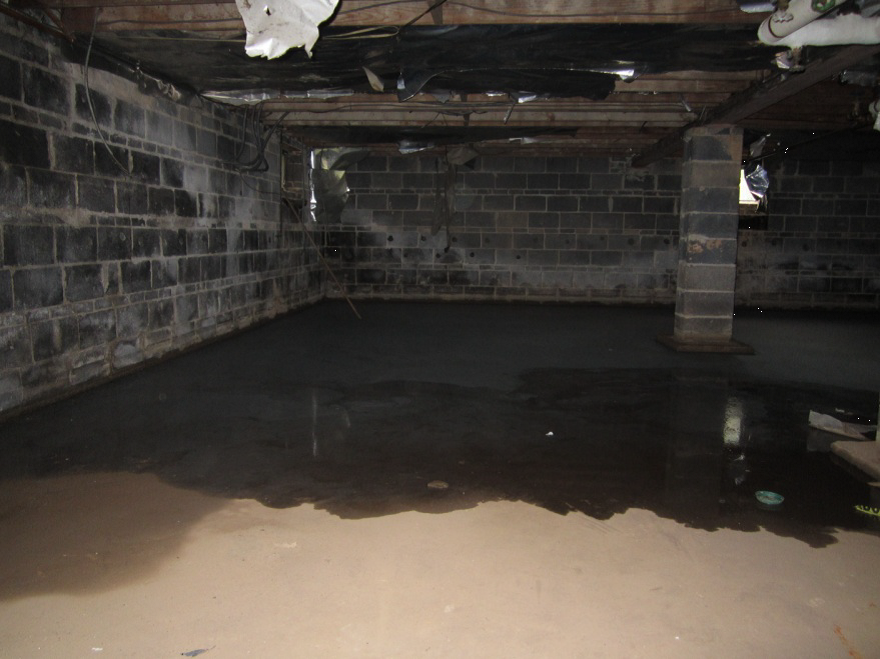
Figure 3. This crawlspace has a significant problem with moisture entry (Source: Rudd).
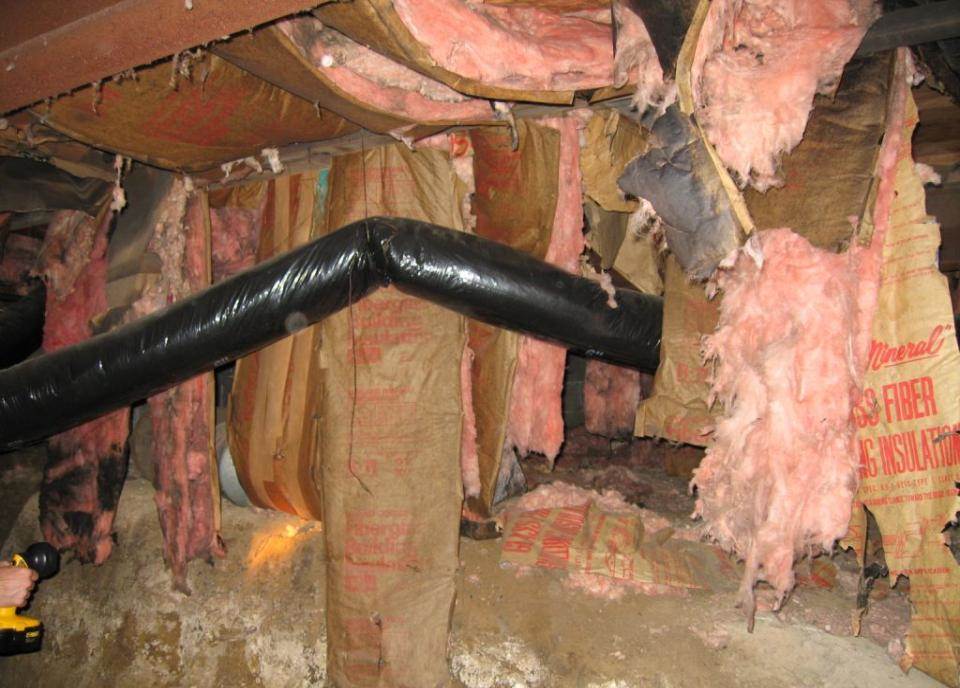
Wrong – A clothes dryer that vents to the crawlspace can contribute moisture to the crawlspace; this can result in damp, molding, and rotting insulation
Source
Figure 4. A clothes dryer that vents into the crawlspace has added so much moisture to this crawlspace that the insulation is saturated and is falling down (Source: Flickr).
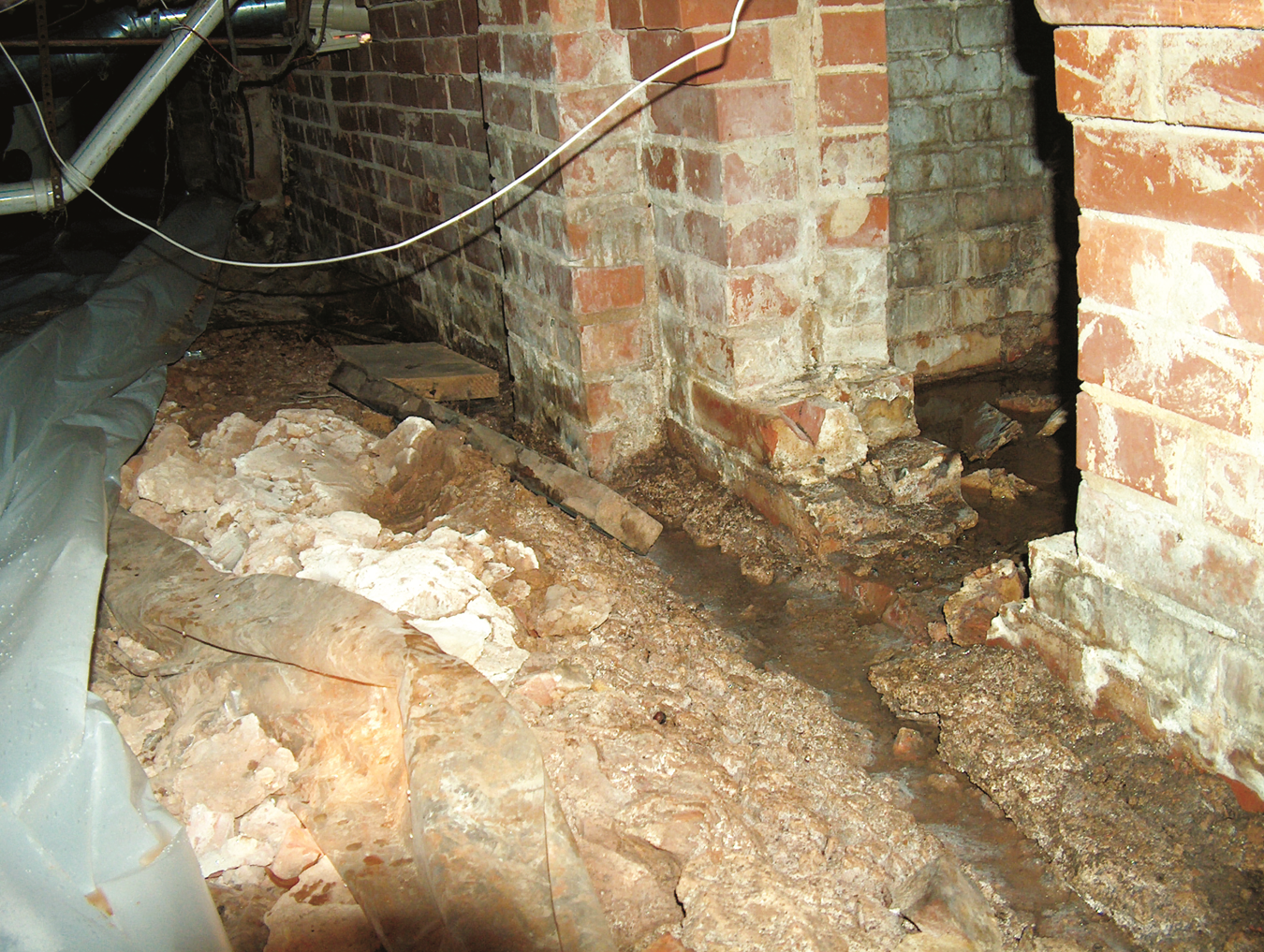
Wrong - A typical vented crawlspace in North Carolina exhibits water leakage, poor drainage, and a low-quality vapor retarder that does not cover all of the ground surface and is not sealed to the walls.
Source
Author(s)
Dastur Cyrus,
Davis Bruce
Organization(s)
Home Energy Magazine
Description

Article describing how closed crawlspaces can do "double duty" by controlling moisture and providing energy savings. 
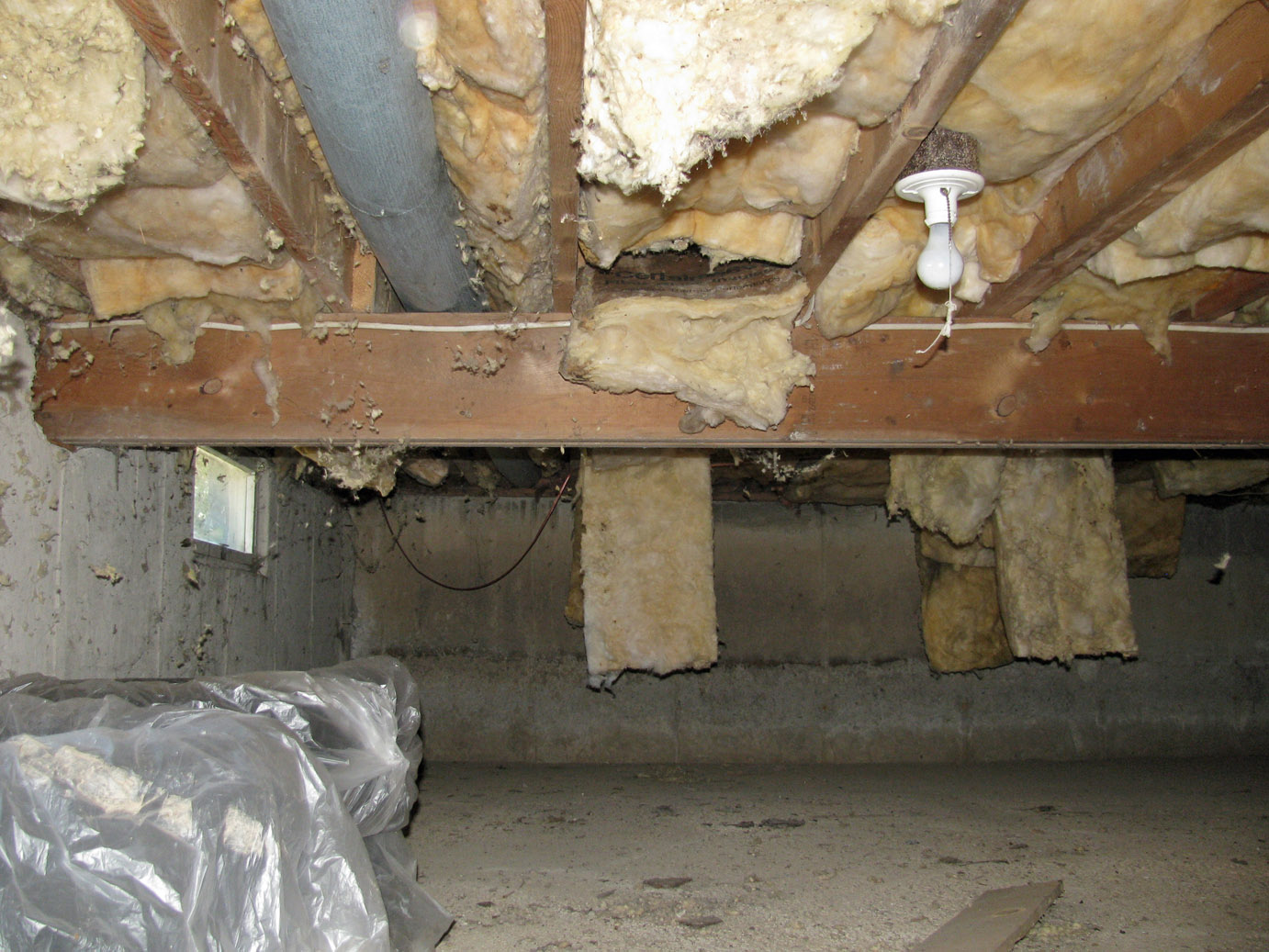
Figure 5. This vented crawlspace in North Carolina exhibits several issues: standing water, poor drainage, and a vapor retarder that does not cover all of the ground surface (Source: Dastur and Davis).
A damp crawlspace
A damp crawlspace
A damp crawlspace
Source
Figure 6. This damp crawlspace lacks a continuous vapor barrier across the floor of the crawlspace (Source: Steve Easley & Associates).
Right – A dehumidifier keeps the sealed crawlspace dry.
Source
Figure 7. This dehumidifier helps to keep the sealed crawlspace dry (Source: Habitat for Humanity of Catawba Valley).
Wrong - The sump pump alone cannot address the water infiltration issues in this crawlspace.
Source
Author(s)
Todd Jason
Organization(s)
Home Energy Magazine
Description

Article describing methods to manage moisture, rainwater, and vapor in basements and crawlspaces. 
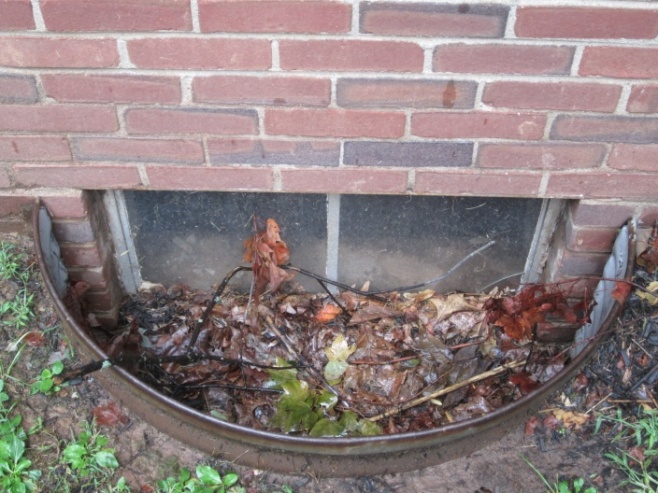
Figure 8. The sump pump alone cannot address the water infiltration issues in this crawlspace; providing exterior perimeter drainage around the building may help (Source: Todd Jason).
Wrong – A poorly sealed window and window well allow bulk water to enter the crawlspace from ground that slopes toward the structure
Source
Figure 9. This poorly sealed window and window well allow bulk water to enter the crawlspace from ground that slopes toward the structure (Source: Rudd).
Wrong - This surface downspout run-out is directed toward the foundation instead of away from it.
Source
Author(s)
Todd Jason
Organization(s)
Home Energy Magazine
Description

Article describing methods to manage moisture, rainwater, and vapor in basements and crawlspaces. 

Figure 10. This surface downspout run-out is directed toward the foundation instead of away from it (Source: Todd Jason).

Additional Info

Last Updated

Disclaimer

This content is a work created with funding provided by the United States Department of Energy under Contract no DE-AC05-076RL01830 for the operation of Pacific Northwest National Laboratory. The information and guidance provided by Pacific Northwest National Laboratory (PNNL) in the content are intended solely for educational purposes only and do not constitute formal training or certification. It is provided with the explicit understanding that neither the United States Government nor the United States Department of Energy, nor the Contractor, nor any or their employees, nor any jurisdiction or organization that has cooperated in the development of these materials, makes any warranty, express or implied, or assumes any legal liability or responsibility for the accuracy, completeness, or usefulness or any information, apparatus, product, software, or process disclosed, or represents that its use would not infringe privately owned rights. Reference herein to any specific commercial product, process, or service by trade name, trademark, manufacturer, or otherwise does not constitute or imply its endorsement, recommendation, or favoring by the United States Government or any agency thereof, or Battelle Memorial Institute. The views and opinions of authors expressed herein do not necessarily state or reflect those of the United States Government or any agency thereof. Viewers assumes full responsibility for all actions that they may take from information provided in this content including ensuring the safety, code compliance, and proper functionality of any products they choose to install. Installation and use of such products should be performed in accordance with local regulations and manufacturer instructions.