Materials Cost: 2
Difficulty Level: 1

Introduction

Using storm windows can increase your home’s energy efficiency, reduce drafts and glare, block out outside noise, and make your home feel more comfortable.

Why

Windows are less insulating than the rest of the wall. Older single-pane windows and clear-glass double-pane can be drafty, get condensation and even frost build-up in winter, and feel drafty or cold when you sit next to them. Adding exterior storm windows can help block heat transfer so your home will feel warmer in winter and cooler in summer. They can also cut drafts, glare, and outside noise, making your home more comfortable as well as more efficient. 

What You'll Need

  • New high-performance exterior storm windows with low-emissivity coatings
  • Exterior-grade caulk or sealant
  • Screws and screwdriver
  • Ladder

1. Examine existing windows.

Before buying new exterior storm windows, examine the condition of the existing windows. 

  • If the existing window shows excessive deterioration or damage, then full window replacement may be required. 
  • Peeling paint, cracks, or rotten wood at the sills or window trim is often a sign of water intrusion somewhere above or around the window. If you’re seeing signs like this, plan to remove the trim to investigate. You may need to remove the window to do repairs and re-install or replace the window.
  • To reduce the potential for condensation between the existing window and the storm window, minimize air transfer by making the existing window as airtight as possible. Examine seals and weather stripping around the window perimeter and replace or repair as needed.  

2. Consider your options.

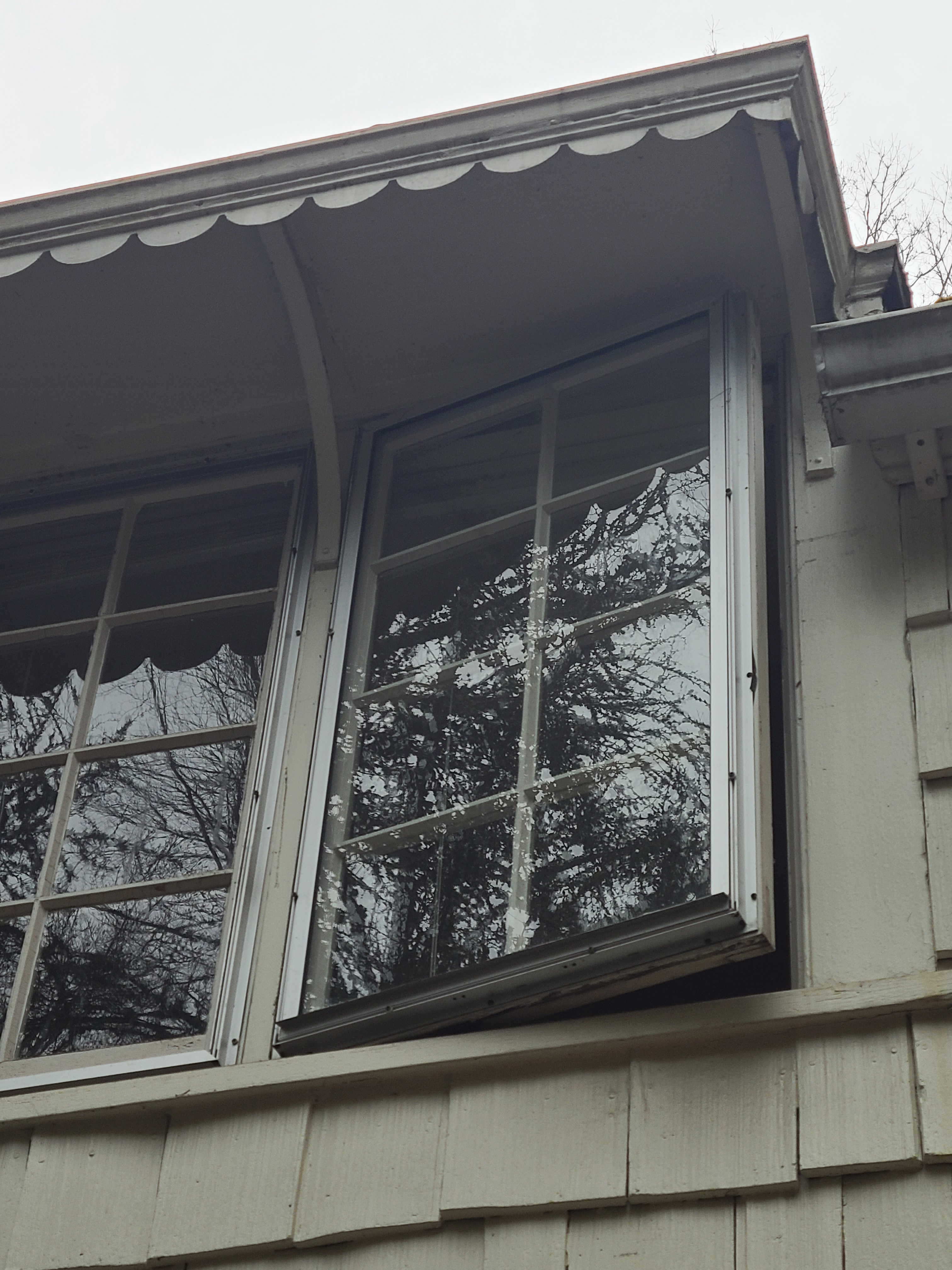
Storm windows can be installed on either the interior or exterior of the existing window. Some windows are fixed glass, meaning they can’t be opened (unless the whole window swings open like the casement style windows shown in Figures 1 and 2). Some windows are operable, meaning they can be raised and lowered or slid to the side like the existing window (Figures 1 and 2), and permanent or removable varieties.

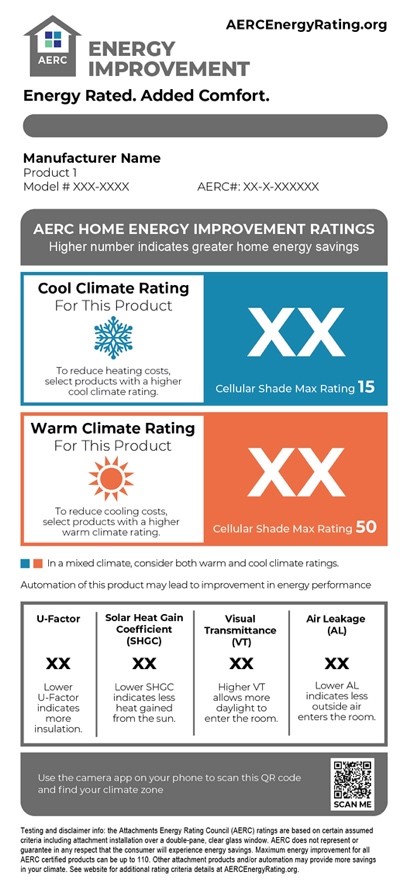
  • Consider models that are certified by ENERGY STAR and the Attachment Energy Rating Council (AERC) for your climate zone (Figures 3, and 4).
  • Look for storm windows that have low-emissivity (low-E) coatings. Low-e coatings significantly improve the thermal performance of the window and reduce the amount of solar heat gain through the window. Low-E storm windows cost about the same as standard storm windows but are about 50% more energy efficient than traditional uncoated storm windows (Cort 2013).  
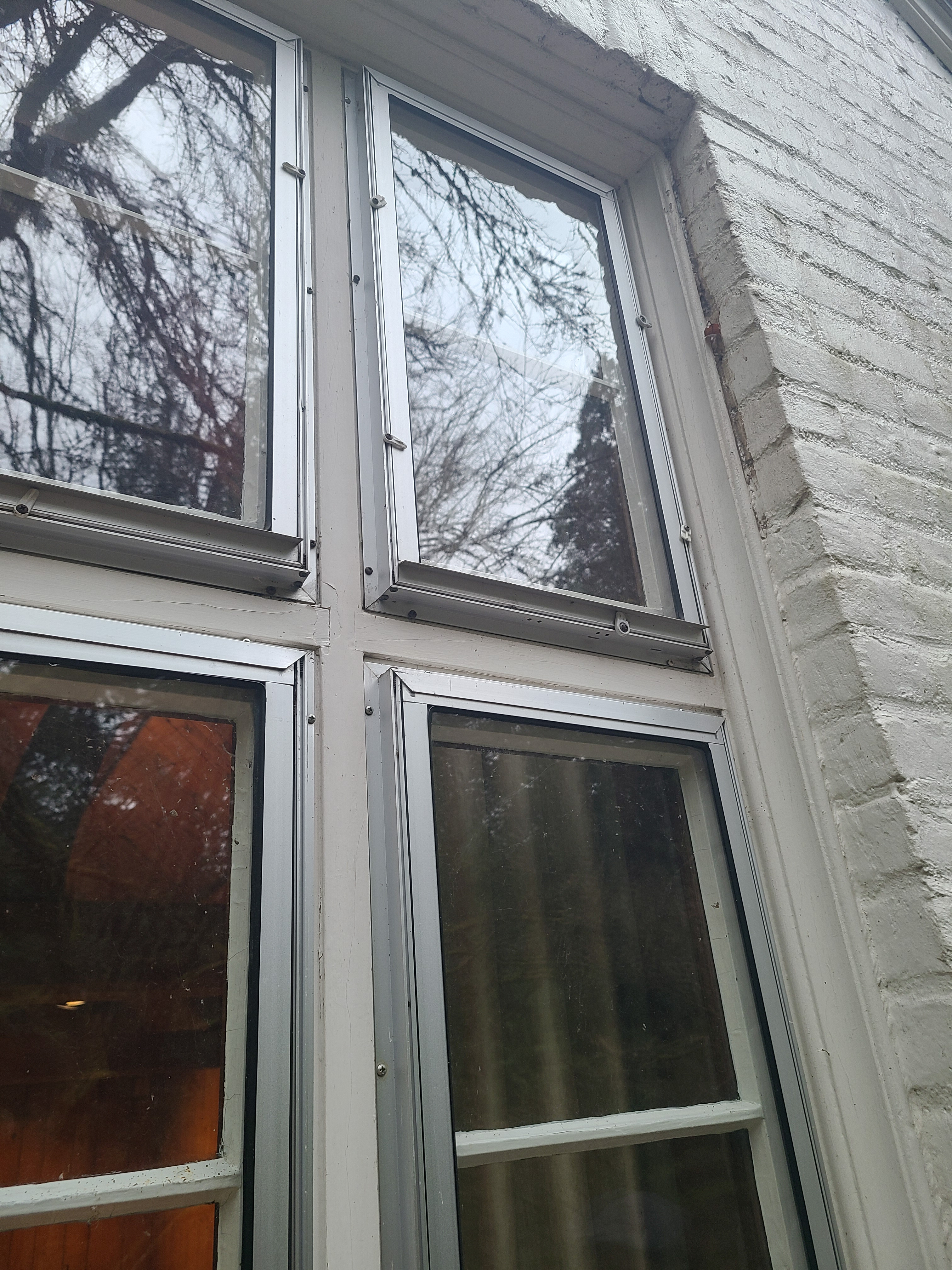
Figure 1. These storm windows are fixed, meaning they do not raise and lower (Source: PNNL).
Figure 2. These storm windows are attached to operable casement windows, allowing for ventilation and fresh air when desired (Source: PNNL).
The Attachments Energy Rating Council (AERC) uses this label to indicate certified low-E storm window products.
Source
Author(s)
Attachments Energy Rating Council
Organization(s)
AERC
Description

Website developed by the Attachments Energy Rating Council to provide consumers with credible, relevant, and comparable information about window attachments and their performance.
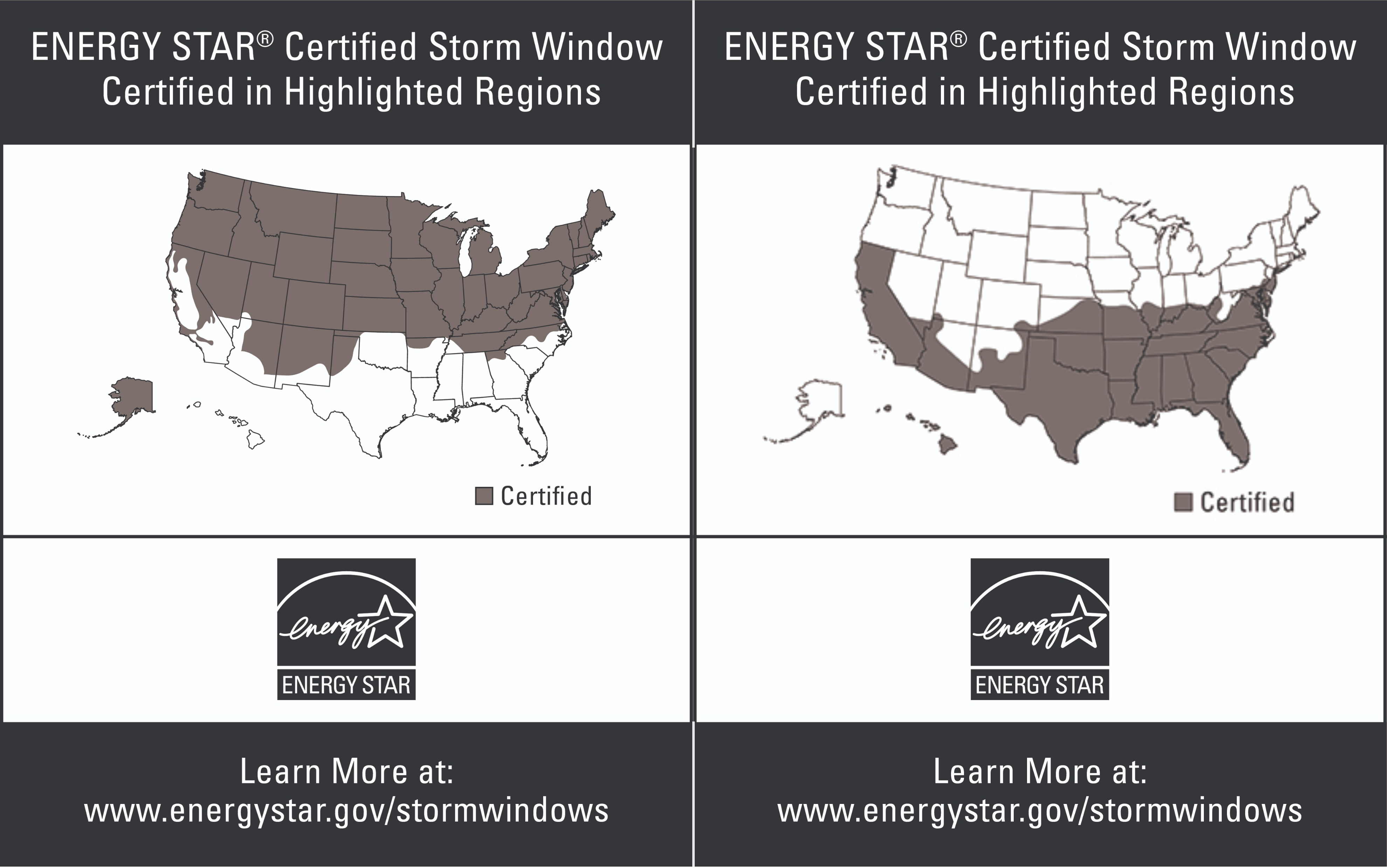
Figure 3. The Attachments Energy Rating Council (AERC) uses this label to indicate certified low-E storm window products (Source: AERC 2023).
Figure 4. The climate where you live influences which low-e storm window product is best in your location, so every ENERGY STAR certified storm window has a label with a map to indicate which part of the country that product is designed for (Source: ENERGY STAR, modified by PNNL).

3. Install.

1. Select models that have built-in weatherstripping and/or gaskets between the storm window and the existing window frames. 

2. Follow manufacturer’s installation instructions, typically: 

  • Use the storm window manufacturer’s instructions for measuring and ordering the windows. 
  • Match the current opening style of your existing windows to ensure operability and egress (every bedroom needs a window or door that opens to the outside) .
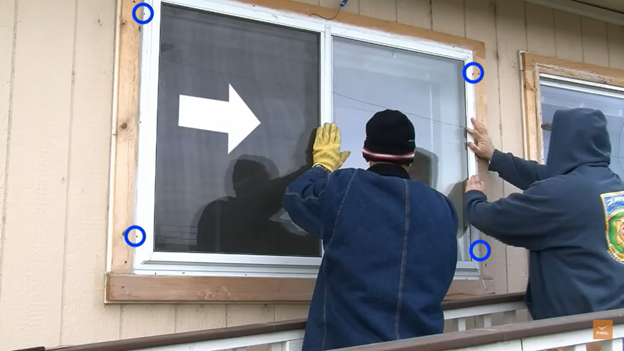
  • Place the window into the opening to ensure proper fit, then remove (Figure 5).
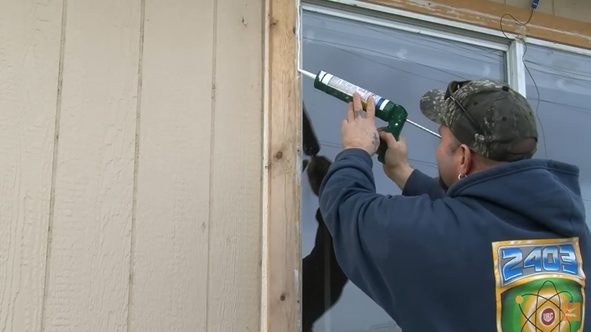
  • Apply exterior-grade caulk or sealant to the existing window frame where the sides and top of the storm window will be mounted. Do NOT caulk the bottom, in order to not block the weep holes and drainage gap in the new storm windows (Figures 6 and 7).
  • Mount and screw the storm window into place following manufacturer guidance (Figure 8).
  • Many storm windows have an adjustable bottom leg to account for variations in the sill height; this should be adjusted as necessary. 
  • Contractor installation is advised for upper-story installations. 
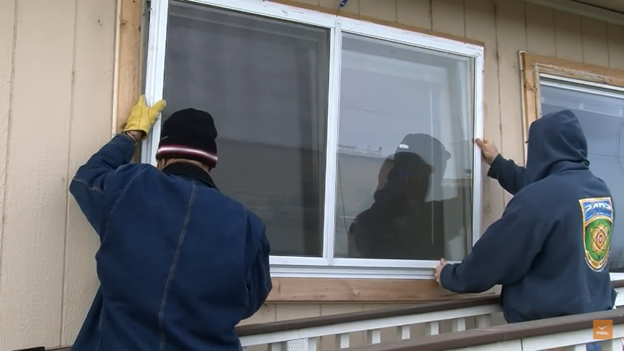
Figure 5. Position the storm window into opening, to ensure proper fit (Source: PNNL).
Figure 6. Apply caulk to the tops and sides. Do not caulk the bottom (Source: PNNL).
Permanent exterior low-E storm windows include weep channels in the bottom leg of the frame to allow for drainage
Source
Figure 7. Permanent exterior low-E storm windows include weep channels in the bottom leg of the frame to allow for drainage (Source: Larson).
Figure 8. It only takes a few screws to install an exterior storm window (Source: PNNL).

4. Maintain performance.

To minimize possible condensation between the panes, the original window must be as airtight as possible (Wilson 1960). If the existing interior window is made sufficiently airtight, then the slight amount of ventilation provided by the storm windows’ weep holes should be adequate air change to prevent condensation while also maintaining the windows’ thermal performance. 

If condensation does appear on the storm windows, take the following steps:

  • Make sure the weep holes are clear.
  • Slightly increase the openings to allow for additional ventilation.

If condensation persists, consider the following additional steps to control indoor sources of humidity:

  • Add timers or humidity sensors to bath exhaust fans and advise occupants to run exhaust fans when showering or cooking.
  • Dry clothes outside or in the clothes dryer; hang-drying clothes indoors adds a considerable amount of moisture to the indoor air.
  • Ensure that the exhaust fans and clothes dryer are ducted to the outside, not into the attic or crawlspace.
  • Verify that the crawlspace floor is covered with a continuous vapor barrier that covers the entire floor and is secured to the walls and that the sump pump basin is covered with a tight-fitting lid. Or, address any basement moisture issues.
  • Run a dehumidifier if needed.

Additional Info

Videos

References

Publication Date
·
Author(s)
Attachments Energy Rating Council
·
Organization(s)
AERC
Description
Website developed by the Attachments Energy Rating Council to provide consumers with credible, relevant, and comparable information about window attachments and their performance.
Publication Date
·
Author(s)
ENERGY STAR
·
Organization(s)
ENERGY STAR,
U.S. Environmental Protection Agency,
EPA
Description
Website providing a listing of ENERGY STAR certified interior and exterior storm windows
Publication Date
·
Author(s)
Efficient Window Coverings
·
Organization(s)
Building Green,
U.S. Department of Energy,
DOE,
Lawrence Berkeley National Laboratory,
LBNL
Description
Website sponsored by DOE to provide consumers with intelligent and unbiased guidance on the best window covering for your climate, your needs, and your windows.
Publication Date
·
Author(s)
ENERGY STAR
·
Organization(s)
ENERGY STAR
Description
Webpage providing an ENERGY STAR climate zone map and criteria for ENERGY STAR storm windows per climate zone.
Publication Date
·
Author(s)
Widder Sarah H,
Knox J R
·
Organization(s)
Pacific Northwest National Laboratory,
PNNL
Description
Report describing a research study into the performance of Low-E storm windows installed in two test homes at Pacific Northwest National Laboratory in Washington state.
Publication Date
·
Author(s)
Cort Katherine A,
Culp Thomas D
·
Organization(s)
Pacific Northwest National Laboratory,
PNNL,
Birch Point Consulting,
BPC
Description
Research study evaluating energy savings and cost effectiveness of installing low-emissivity (low-e) storm windows over existing windows in residential homes in all climate zones.
Publication Date
·
Author(s)
Efficient Window Coverings
·
Organization(s)
Building Green,
U.S. Department of Energy,
DOE,
Lawrence Berkeley National Laboratory,
LBNL
Description
Website sponsored by DOE to provide consumers with intelligent and unbiased guidance on the best window covering for your climate, your needs, and your windows.
Publication Date
·
Author(s)
Gilbride Theresa L
·
Organization(s)
Pacific Northwest National Laboratory,
PNNL
Description
Fact sheet poster describing the certification of window attachment products such as storm windows, roller shades, cellular shade, and solar screens by the Attachment Energy Rating Council (AERC).
Last Updated

Disclaimer

This content is a work created with funding provided by the United States Department of Energy under Contract no DE-AC05-076RL01830 for the operation of Pacific Northwest National Laboratory. The information and guidance provided by Pacific Northwest National Laboratory (PNNL) in the content are intended solely for educational purposes only and do not constitute formal training or certification. It is provided with the explicit understanding that neither the United States Government nor the United States Department of Energy, nor the Contractor, nor any or their employees, nor any jurisdiction or organization that has cooperated in the development of these materials, makes any warranty, express or implied, or assumes any legal liability or responsibility for the accuracy, completeness, or usefulness or any information, apparatus, product, software, or process disclosed, or represents that its use would not infringe privately owned rights. Reference herein to any specific commercial product, process, or service by trade name, trademark, manufacturer, or otherwise does not constitute or imply its endorsement, recommendation, or favoring by the United States Government or any agency thereof, or Battelle Memorial Institute. The views and opinions of authors expressed herein do not necessarily state or reflect those of the United States Government or any agency thereof. Viewers assumes full responsibility for all actions that they may take from information provided in this content including ensuring the safety, code compliance, and proper functionality of any products they choose to install. Installation and use of such products should be performed in accordance with local regulations and manufacturer instructions.