Introduction
Look for signs of a gas water heater backdrafting (allowing combustion exhaust to spill back into the house instead of going up the flue).
Why
Backdrafting is a condition where the combustion gases of an ambient-drafted gas water heater are not going up the flue pipe to exhaust outside but instead are coming out of the draft hood into the indoor air. A backdrafting gas appliance can allow carbon monoxide into the home, which can be dangerous or deadly to the home’s occupants. Thus, it is very important to look for signs of this dangerous condition and get it fixed as soon as possible.
What You'll Need
- Camera/phone to take pictures
- Headlamp/flashlight
- Long lighter (BBQ lighter)
- Smoke pen or incense stick
- Portable battery-powered carbon monoxide detector/monitor (~$40 - $130)
- Plug-in combination explosive gas (natural gas and propane) and carbon monoxide alarm (~$50-60)
1. Get a portable carbon monoxide detector.
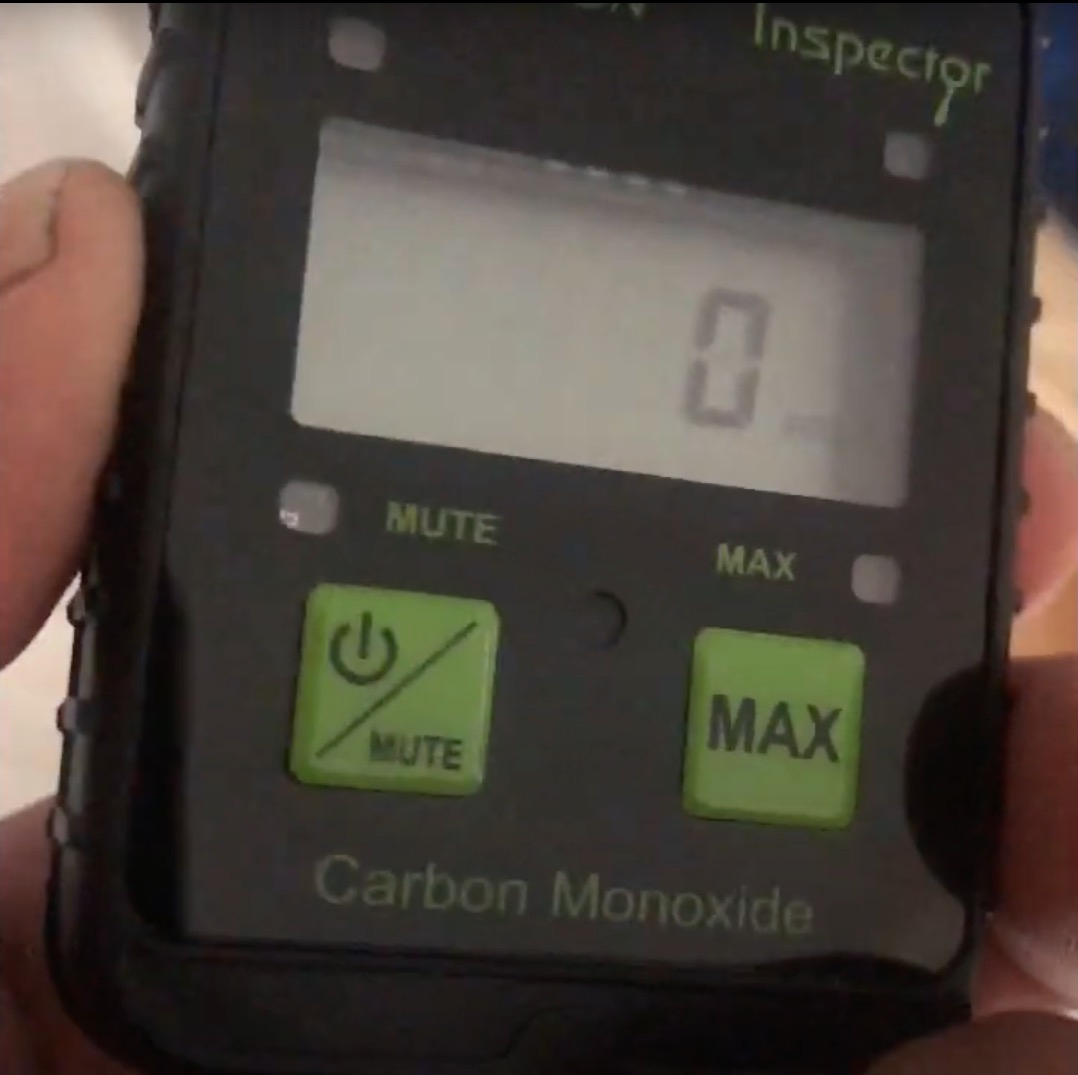
Carry a portable, battery-powered carbon monoxide detector with you when you check the water heater (Figure 1). This is especially important if you’re going to enter an infrequently visited area of the basement, attic, crawlspace, or garage to look at the water heater.
Source
2. Locate the water heater.
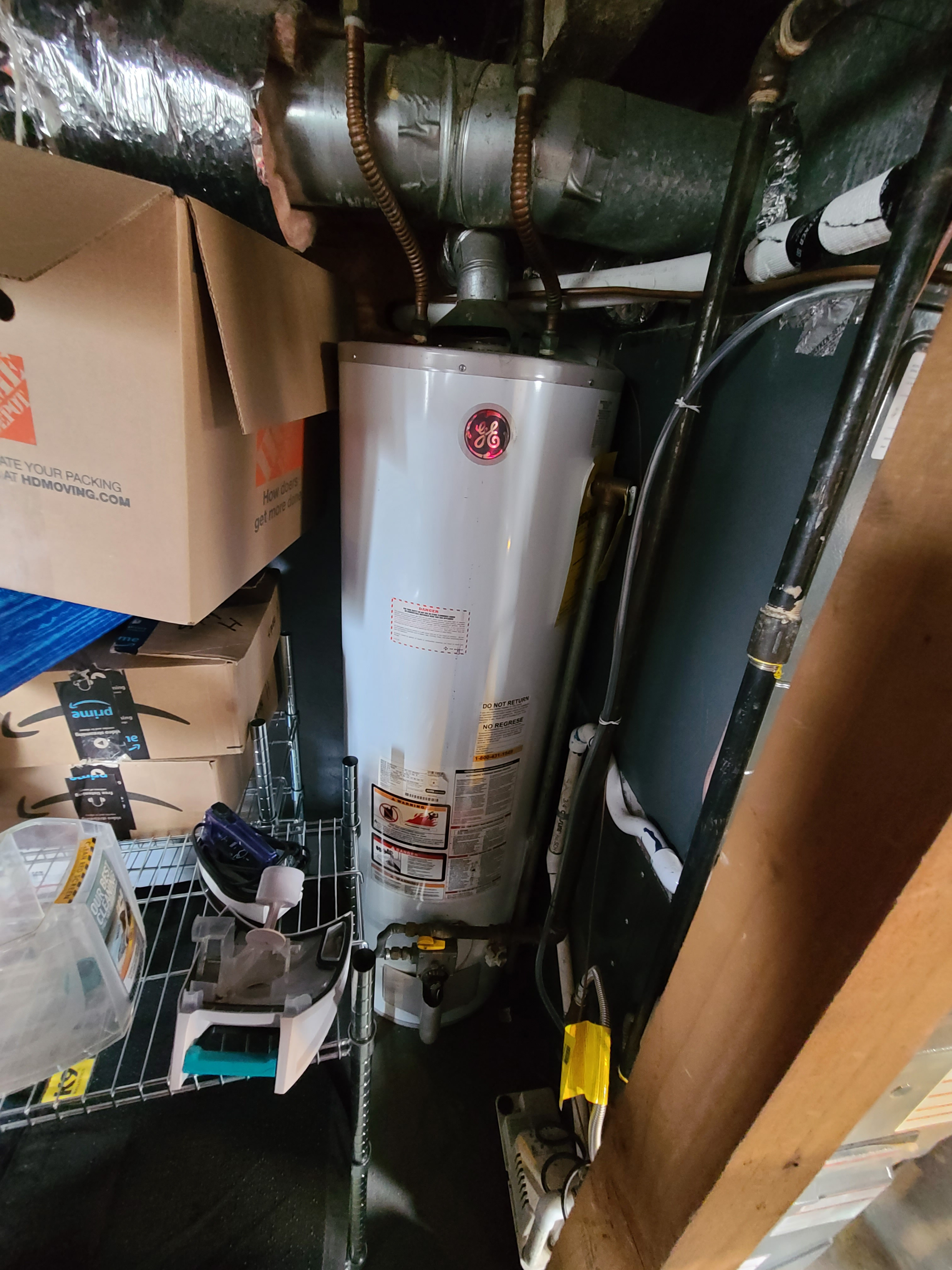
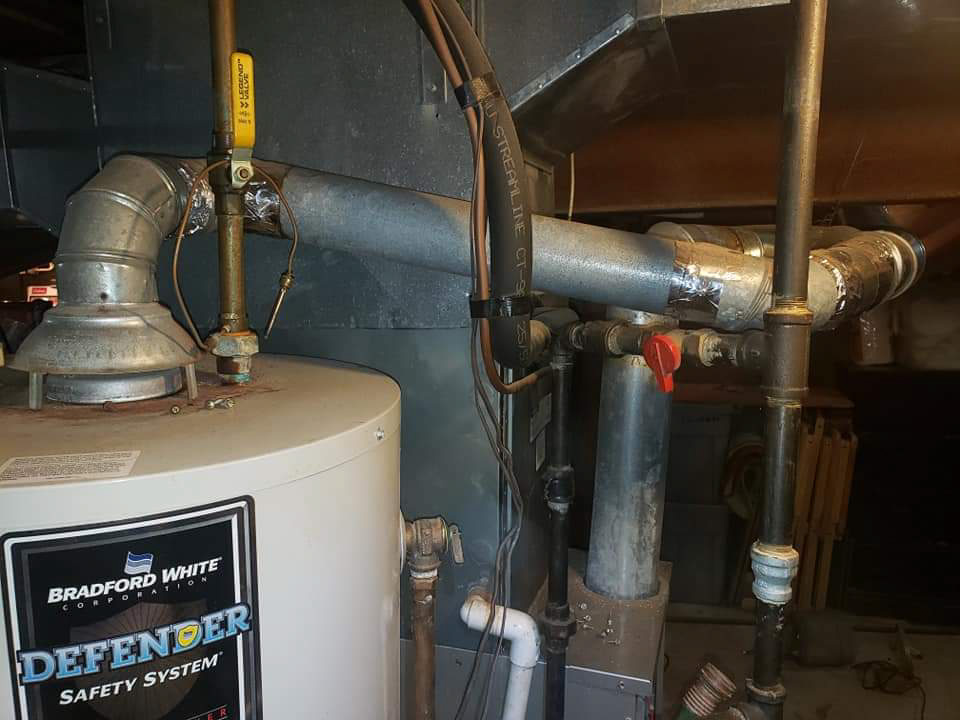
Locate the water heater in your house. It may be in the basement (Figure 2), the garage, the laundry room, a utility room, or in a closet.
Source
3. See if the water heater has a draft hood.
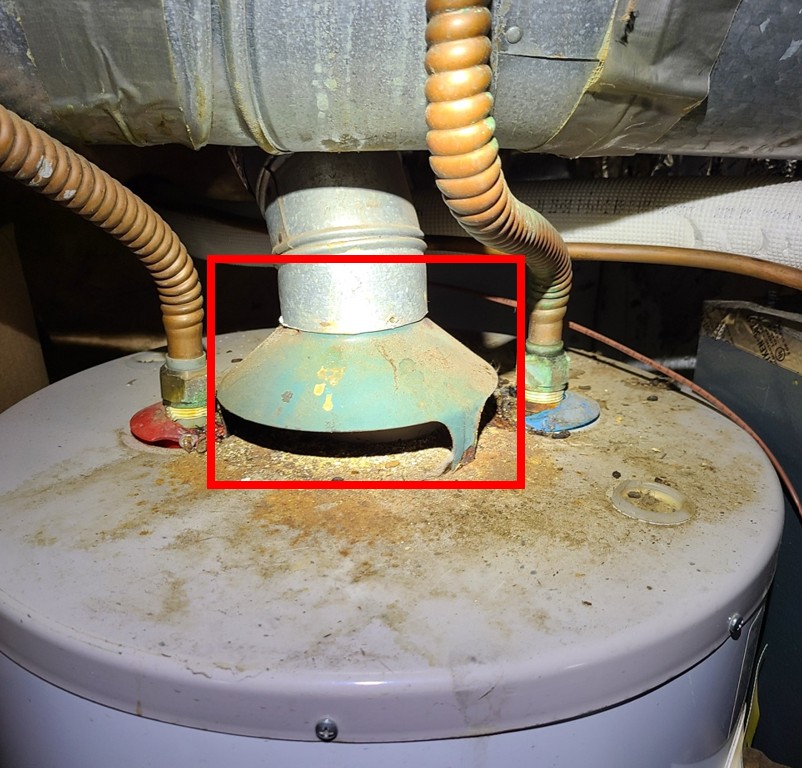
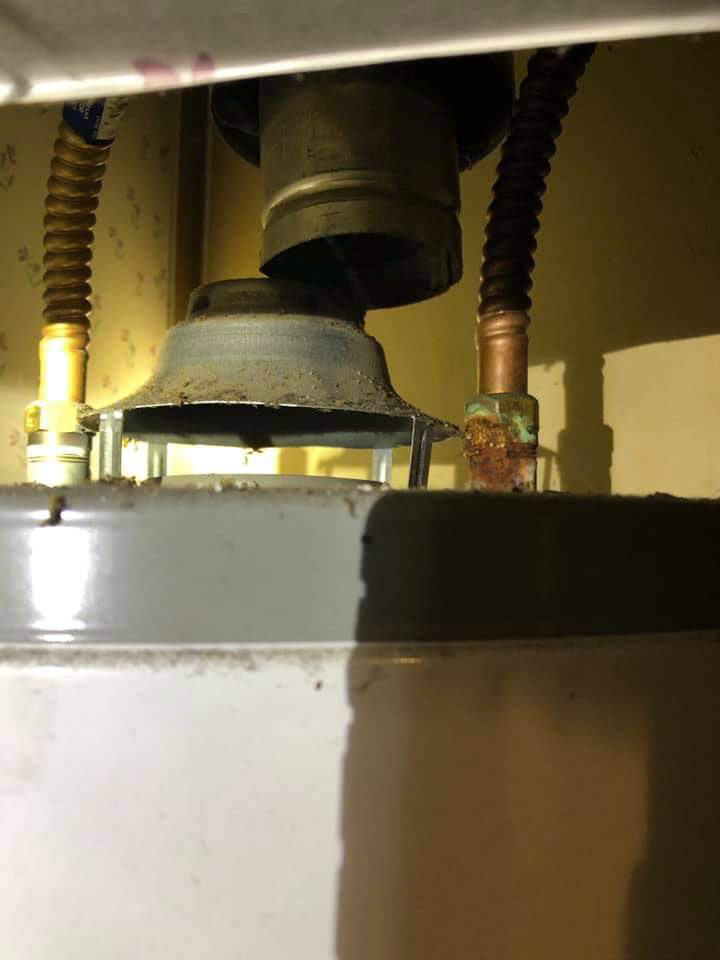
Look at the water heater and see if it has a draft hood. A draft hood is a flanged hood at the base of the flue pipe above the gas water heater tank (Figure 3). It has openings around the base of it under the hood that allow air from the surroundings to enter the flue pipe where the air gets heated by the emissions from the tank burner. The heated air becomes buoyant and rises up through the flue, carrying the flue emissions with it up the flue and out of the chimney. If your water heater has a draft hood then it is a natural draft water heater. Natural-draft water heaters are susceptible to back drafting. This occurs when other things in the home such as exhaust fans and clothes dryers pull air out of the home, depressurizing the home. If the heated flue doesn’t have enough draw and there aren’t other adequate sources of makeup air for the flue, the flue emissions can spill back into the home.
Source
4. Look at the condition of the water heater flue pipe.
The water heater in Figure 3 shows signs (melted plastic washers on the pipes and soot on the top of the tank) that indicate it has backdrafted in the past and may be actively backdrafting at the time the photo was taken. This is a dangerous situation because carbon monoxide gas can be filling the space around the water heater. Call a plumber to make repairs as soon as possible.
There are other conditions to look for. Is the flue pipe disconnected (Figure 4)? This is a dangerous situation allowing carbon monoxide and other combustion emissions to escape into the home; call a plumber to make repairs as soon as possible.
Is the flue pipe sloping down rather than up (Figure 5)? If the flue pipe is sloping down rather than up, flue gases are likely to back up and spill out of the exhaust hood into the house rather than exiting down the flue pipe and out of the house. This is dangerous because carbon monoxide can enter the house. Call a plumber to make repairs as soon as possible.
Source
Source
5. Check the water heater draft.
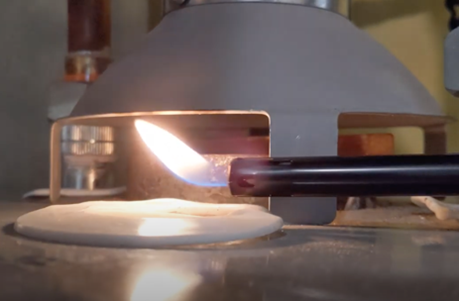
You can check the draft of the water heater, to make sure flue gases are going up and out the flue rather than backdrafting into the home. After a significant hot water usage, such as after someone has taken a shower, go to the water heater. Test the draft of the water heater at the flue by holding a long BBQ lighter or incense stick next to the opening of the draft hood while the water heater is actively heating. If the flame or smoke from the incense stick is sucked into the draft hood, the water heater is properly drafting. If the flame or smoke is pushed away from the hood (as is occurring in Figure 6), then your water heater is backdrafting. This is a dangerous situation, meaning that carbon monoxide is also spilling into your home. Call a plumber to make repairs as soon as possible. You can also look at your portable carbon monoxide monitor to detect the exact levels of carbon monoxide that are spilling into the area around the water heater.
Source
6. Install a gas and carbon monoxide monitor.
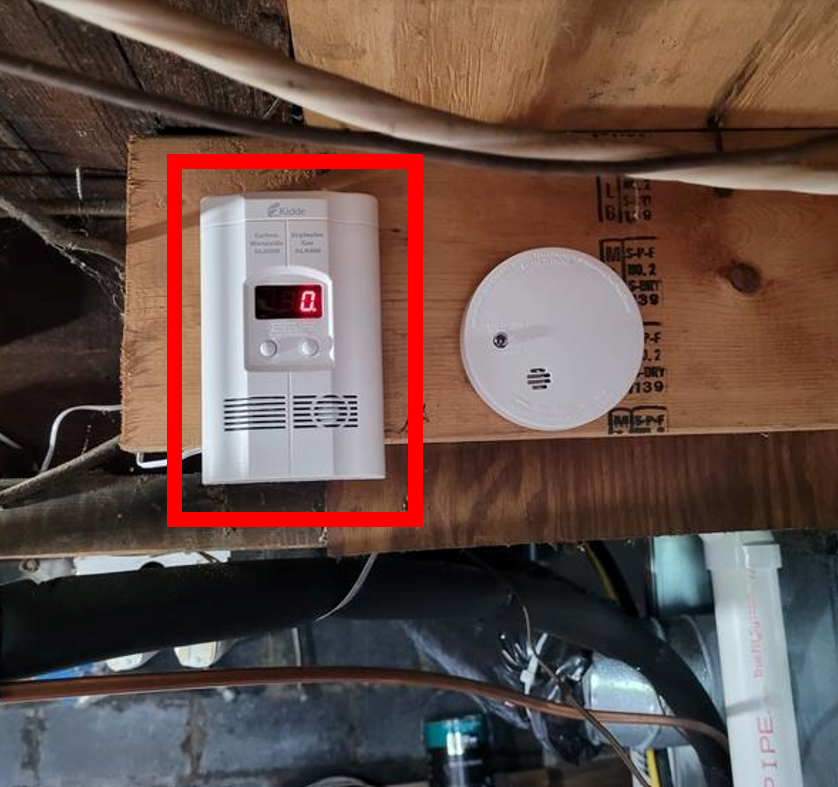
To verify continuous safe conditions around your gas water heater, install a plug-in combination explosive gas (natural gas and propane) and carbon monoxide alarm near the gas water heater to provide early warning of a gas leak or carbon monoxide (Figure 7).