Introduction
Clean or replace the filter on your range hood exhaust fan to improve its effectiveness and efficiency.
Why
If your home or kitchen smells like cooking or grease all the time, it may be that the range hood fan filter needs cleaning or replacement. Cleaning or replacing your range hood filter can also save energy by reducing the amount of energy the motor uses to move air.
What You'll Need
- Dish soap
- Dish scrubbing brush
- Dish sponge
- Dishwasher
- Screwdriver.
1. Determine range hood fan type.
If your range hood fan ducts or exhausts to outside the home, it is likely that the filters can be cleaned and re-installed. If your range hood is non-ducted (also known as a recirculating range hood fan), the filters are likely disposable and should be replaced every 3 to 6 months. Here are the steps for checking what type of range hood you have and how to clean or replace the filters.
What type of range hood do I have?
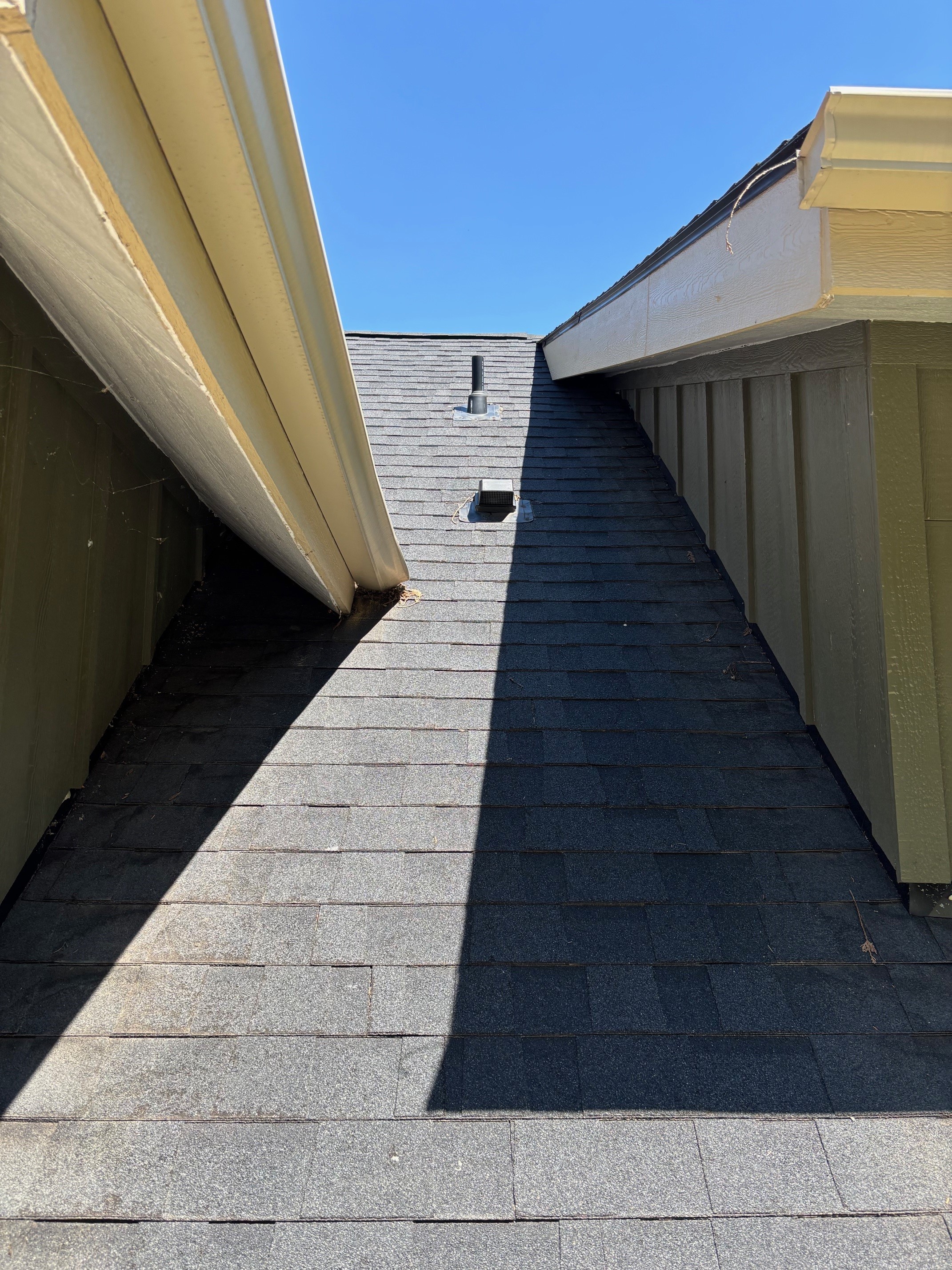
- Under-cabinet range hood over stove - look in the cabinet above the range hood for a duct. If there is no duct in the cabinet, the fan might still be ducted through a rectangular duct in the wall behind the cabinet. Remove the filters and look for a rectangular opening that goes into a rectangular duct in the wall. You can also check outside to see if there is vent on the exterior wall or in the roof soffit or coming out of the roof above where the range is located. If no exterior vent is seen, either on the wall, in the soffit, or on the roof, then you can assume you have a non-ducted range (or recirculating) range hood fan.
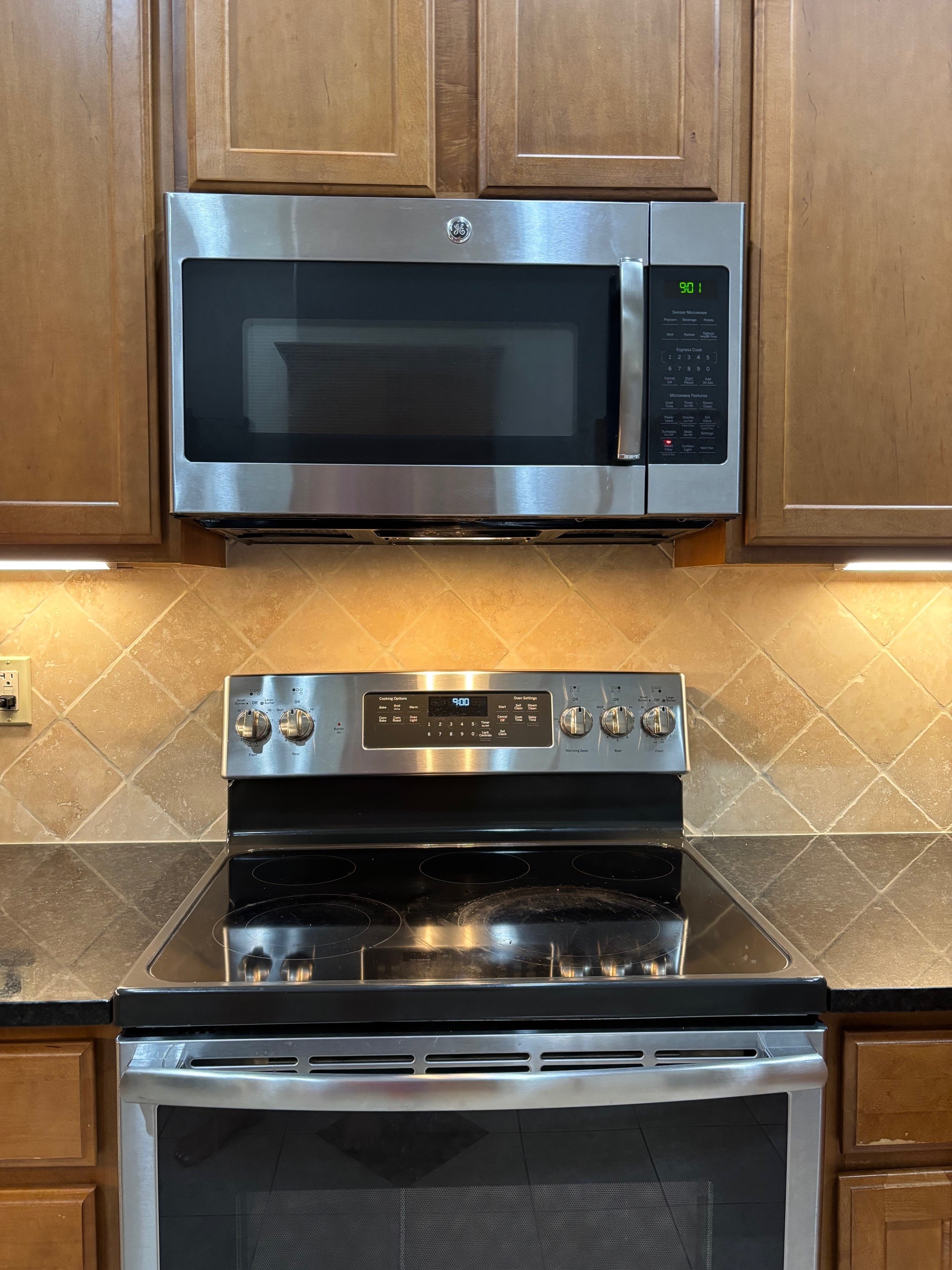
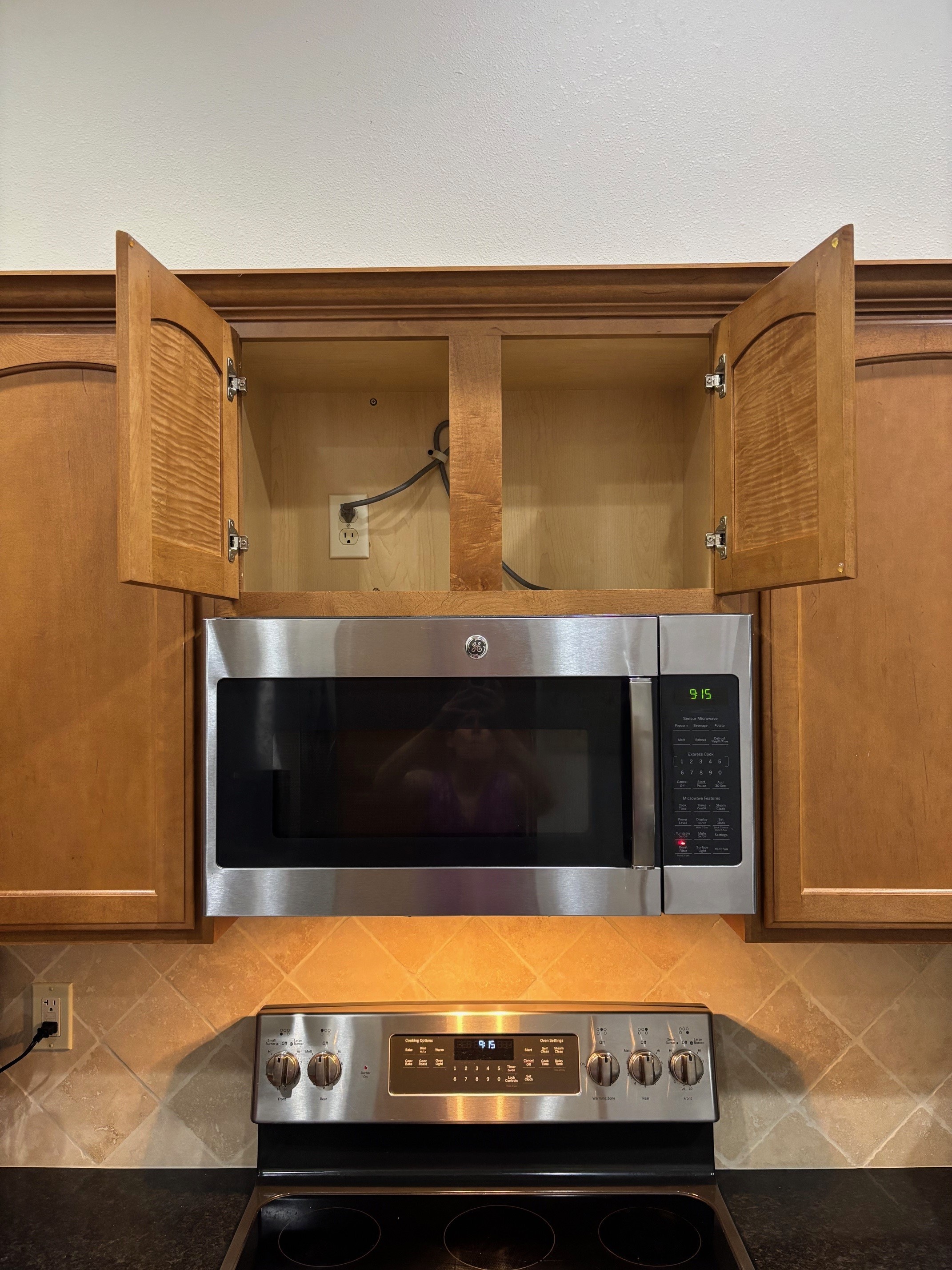
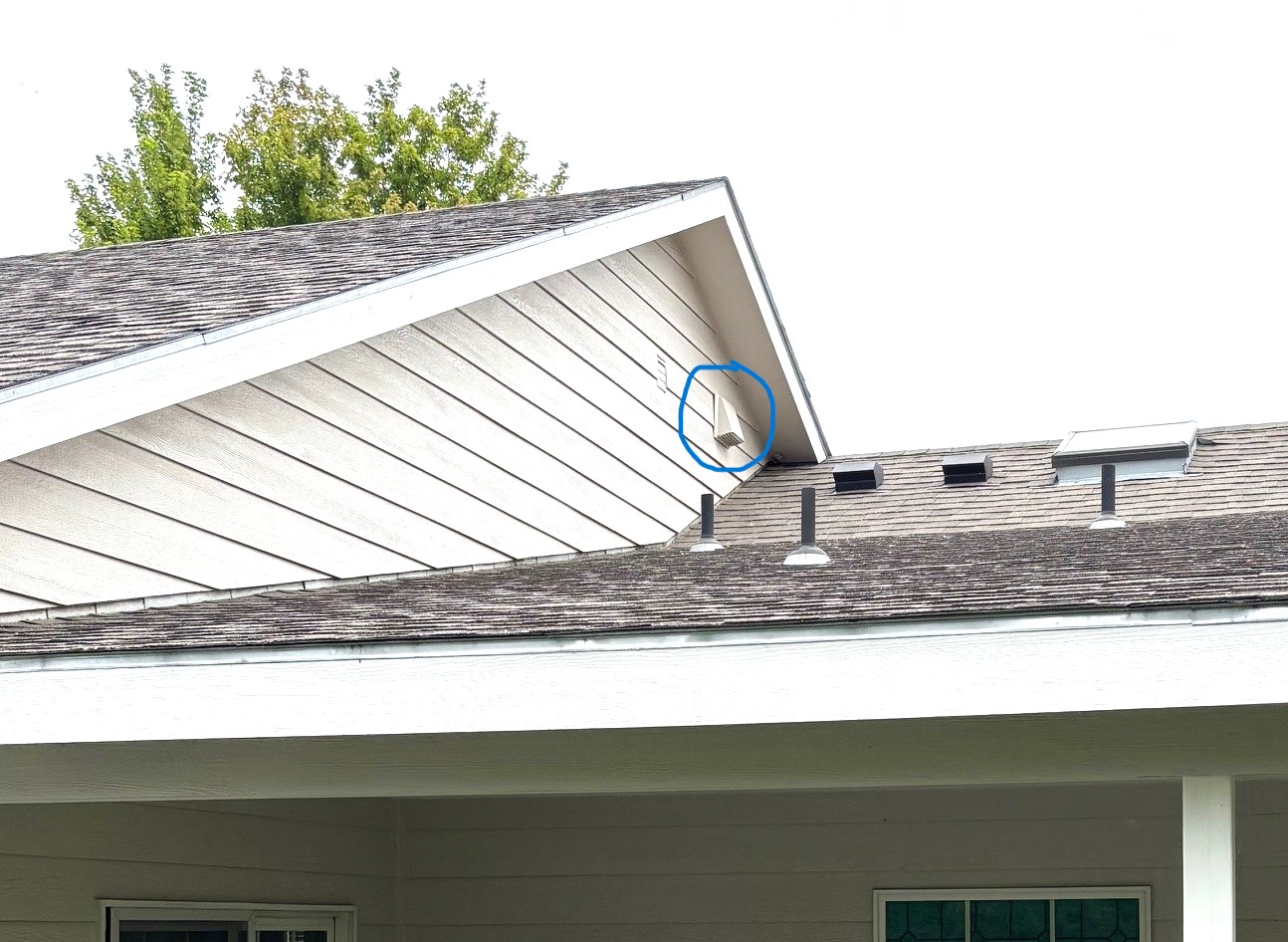
- Under-microwave fan located above stove – If there is a microwave oven located over your stove that has a exhaust fan built into the bottom of it, look for a duct in the cabinet above the microwave oven (Figures 1 and 2). If no duct is present, you can also check outside to see if there is vent on the exterior wall or in the roof soffit or coming out of the roof above where the range is located (Figure 3). If no exterior vent is seen, either on the wall, in the soffit, or on the roof, then you can assume you have a non-ducted range (or recirculating) range hood fan.
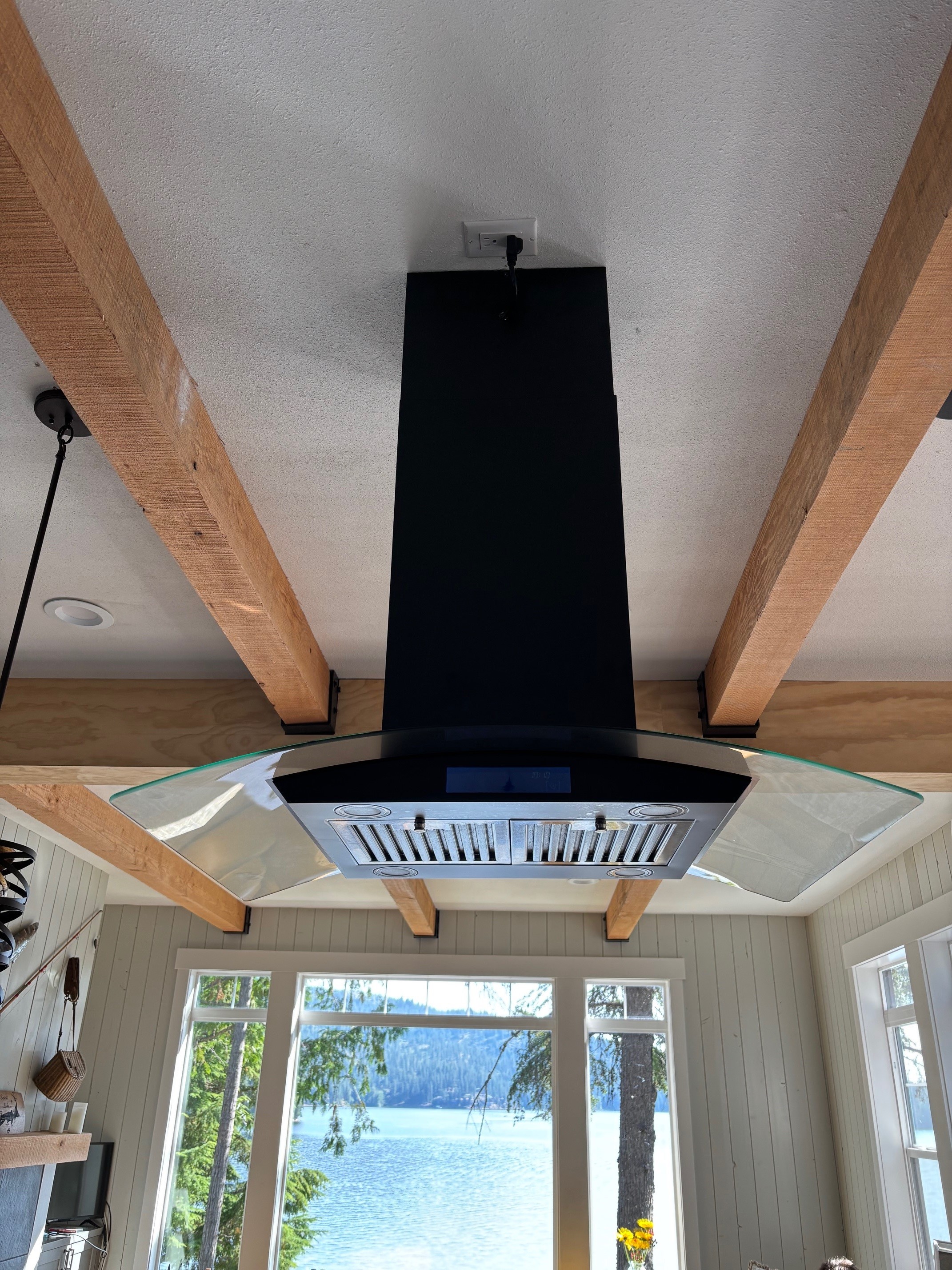
- For a downdraft range hood fan, if there is no cabinet but the duct is visible going to the ceiling and an exterior vent is visible on the roof, then it is ducted. If there is a cabinet above the hood, check the cabinets for a duct. If a duct cannot be found then assume it is a non-ducted downdraft range hood fan (Figures 4, 5, and 6).
Source
Source
Source
Source

Source
Source
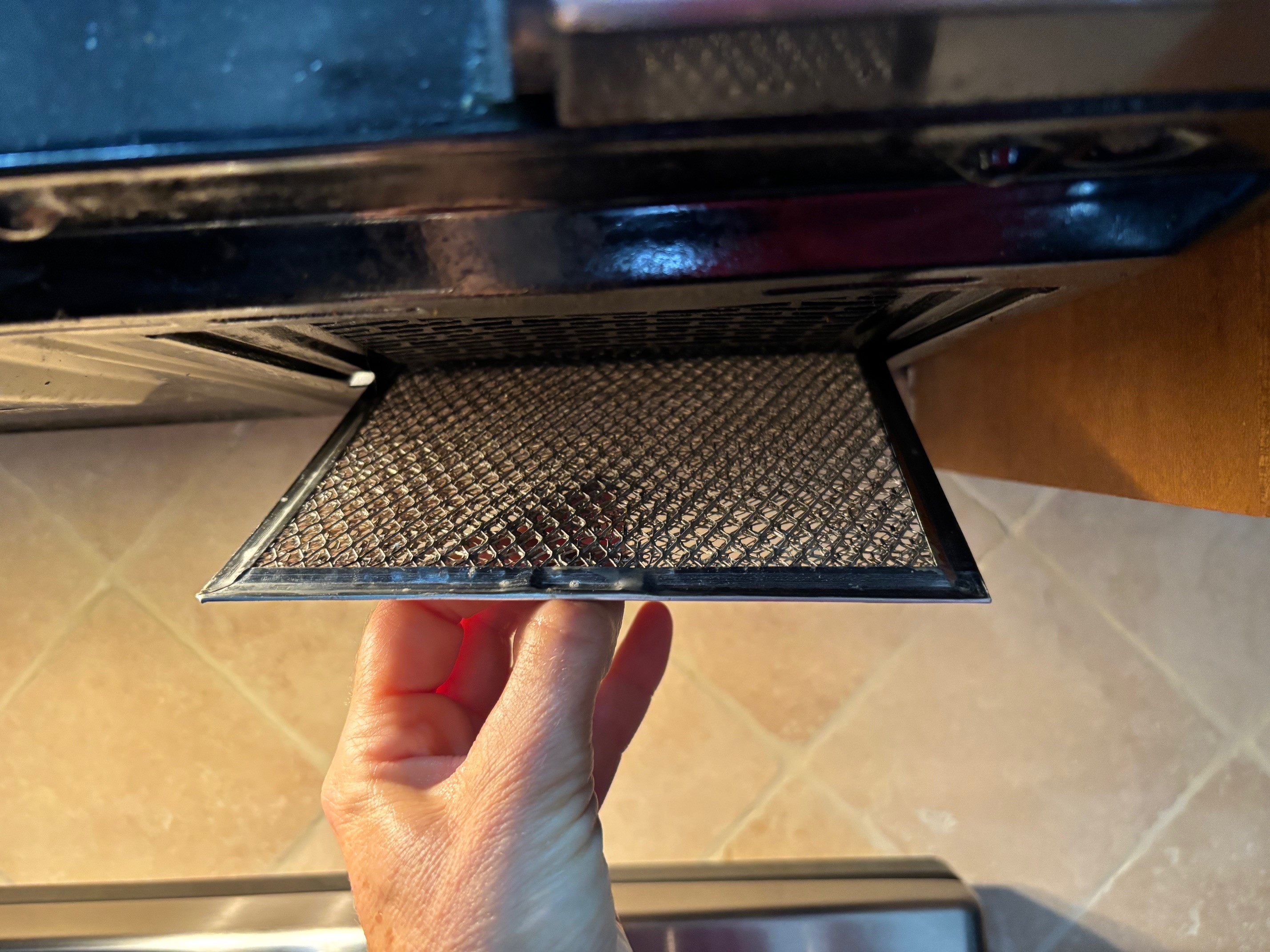
2. Remove the filters.
Range hood fans use various methods for holding the filters in place – some filters just slide into place in channels; some are held in with clips, latches, or screws. Release and remove the filters from the fan housing (Figure 7).
3. Wash or replace the filters.
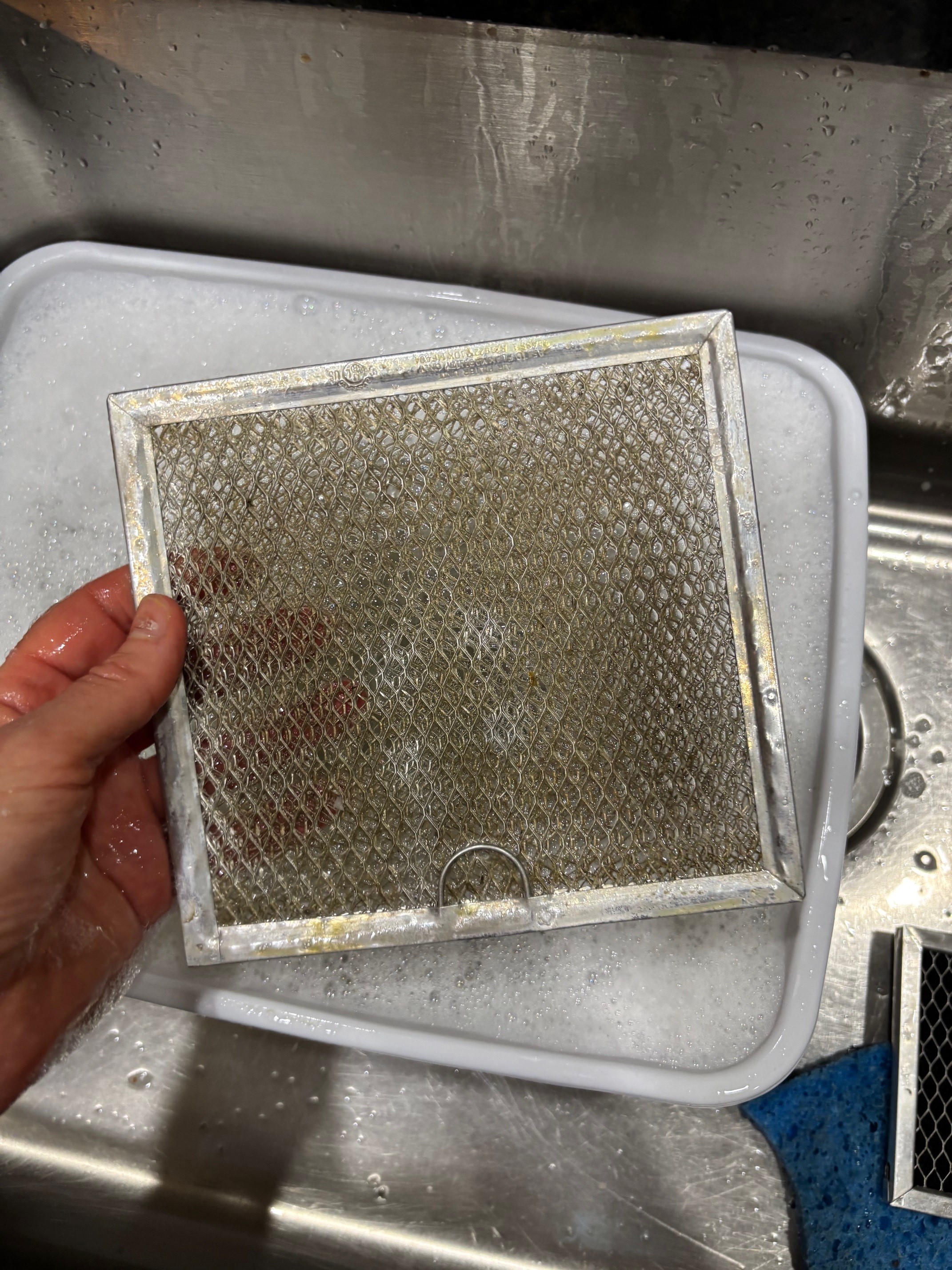
Washable filters are often made of metal mesh. To wash these filters, place in the top rack of the dishwasher (Figure 8) and run the dishwasher. Or, soak the filters in a pan of warm water with dish soap, then scrub with a soft-bristle brush, rinse, and lay on a towel to air dry (Figure 9). The filters should be washed every 3 months.

Source
Source
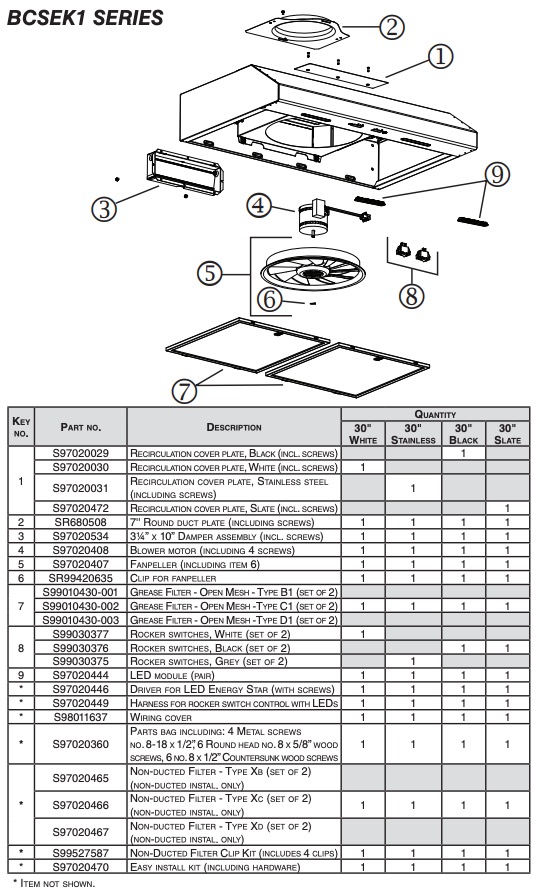
Disposable filters are often used in recirculating, non-ducted range hood fans. Disposable filters should be changed every 3 to 6 months. These filters are made of multiple layers of foil mesh designed to trap grease. Some non-ducted range hoods use filters that contain carbon to capture cooking odors. Filters with this feature are not reusable and must be replaced. Refer to the owner’s manual or search the model number of the range hood to find the model number of the replacement filter.
Figure 10 shows an installation manual showing the model number of the replacement disposable filters.