Introduction
Air seal penetrations in the floor to prevent air leakage and reduce energy losses.
Why
Generous holes are often cut through subflooring for plumbing pipes, vent stacks, gas pipes, electrical wiring, and ducts. These gaps are often hidden from view within walls, in under-sink cabinets, beneath tubs, behind shower enclosures, or behind washing machines and dishwashers. If not properly sealed, large amounts of air can pass through these gaps, encouraged by pressure and temperature differences between conditioned and unconditioned spaces. These air leaks create energy losses. Additionally, they could potentially allow warm, moisture-laden air into wall cavities or attics where it can condense on cold surfaces, creating moisture problems.
What You'll Need
- Expanding spray foam
- Caulk and caulk gun
- Dust mask
- Gloves
- Protective coverall suit
1. Locate floors over unconditioned space.
Identify the floors in the home that are over unconditioned space such as a crawlspace, unconditioned basement, or garage. Remember that the ceiling of the unconditioned space is the subfloor for the floor above.
2. Locate floor penetrations
To locate floor penetrations, first walk through the home to identify where floor penetrations are likely to be. Sketch a map of the floor plan and note where each water fixture is, each gas fixture, each HVAC floor register, and each interior and exterior wall. Be sure to include bathtubs, showers, sinks, toilets, clothes washers, dishwashers, ovens, range tops, furnaces, and water heaters. Many floor penetrations for plumbing and electrical are located at the bottom of a wall so that the pipe or wire will be inside the wall cavity.
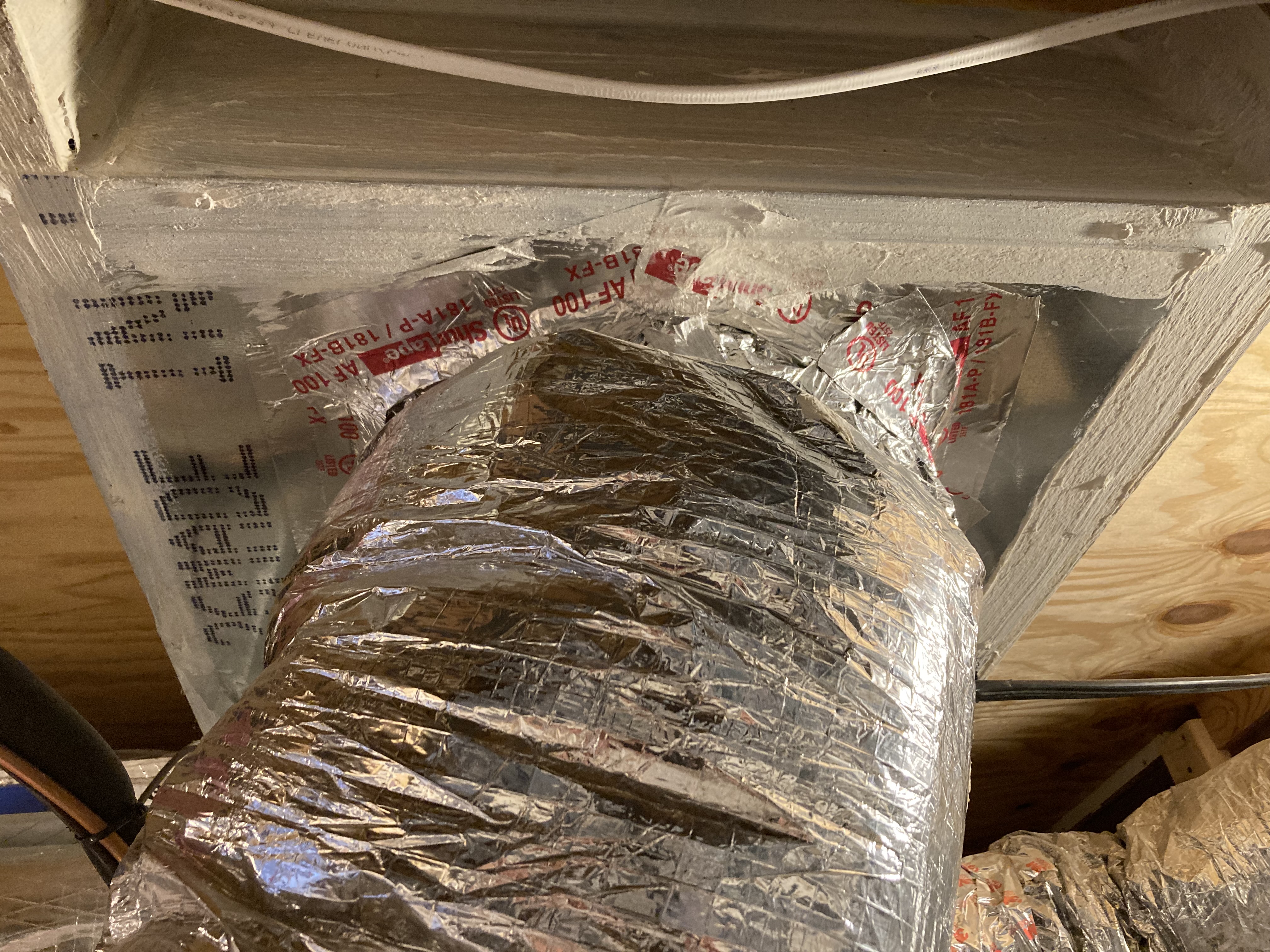
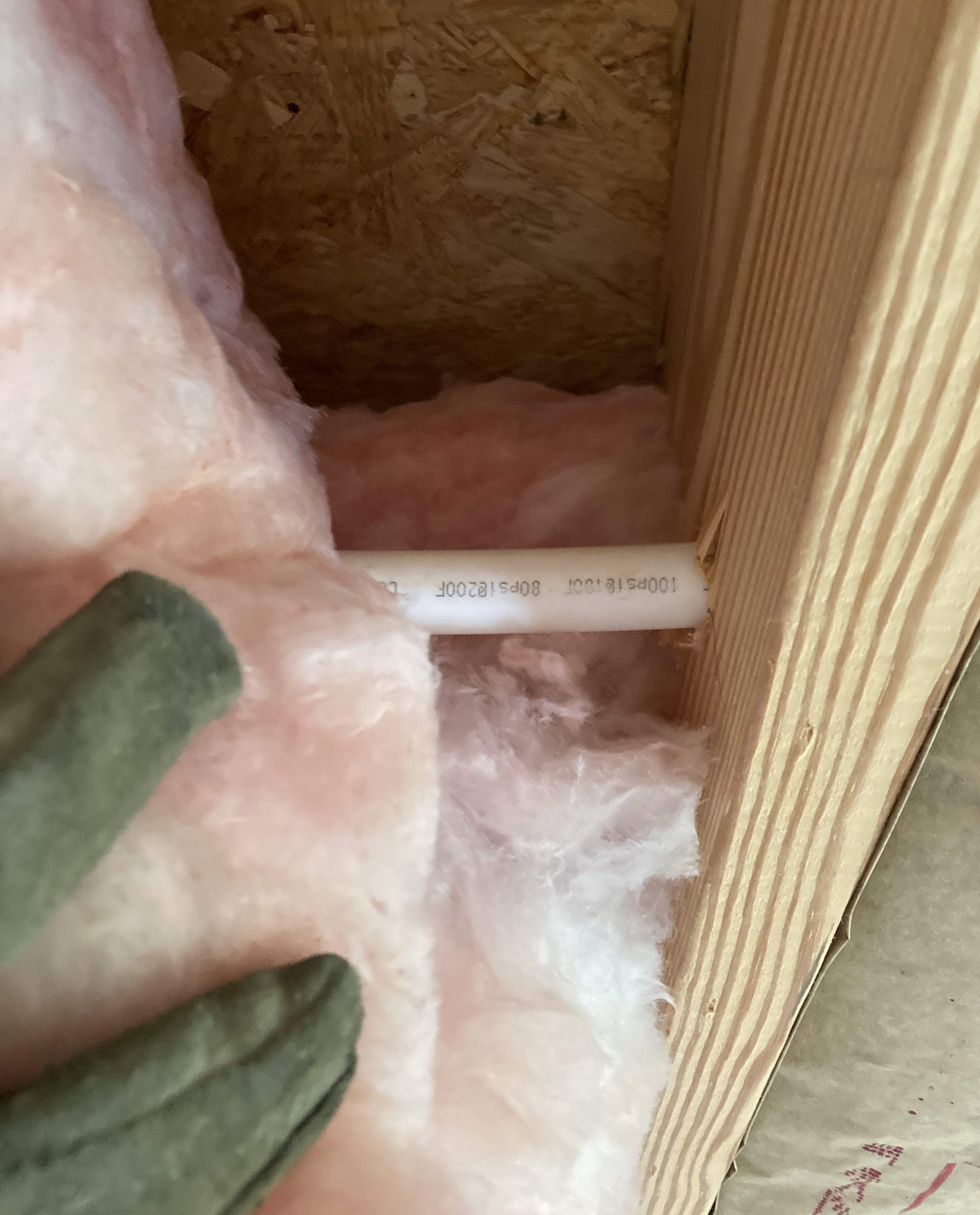
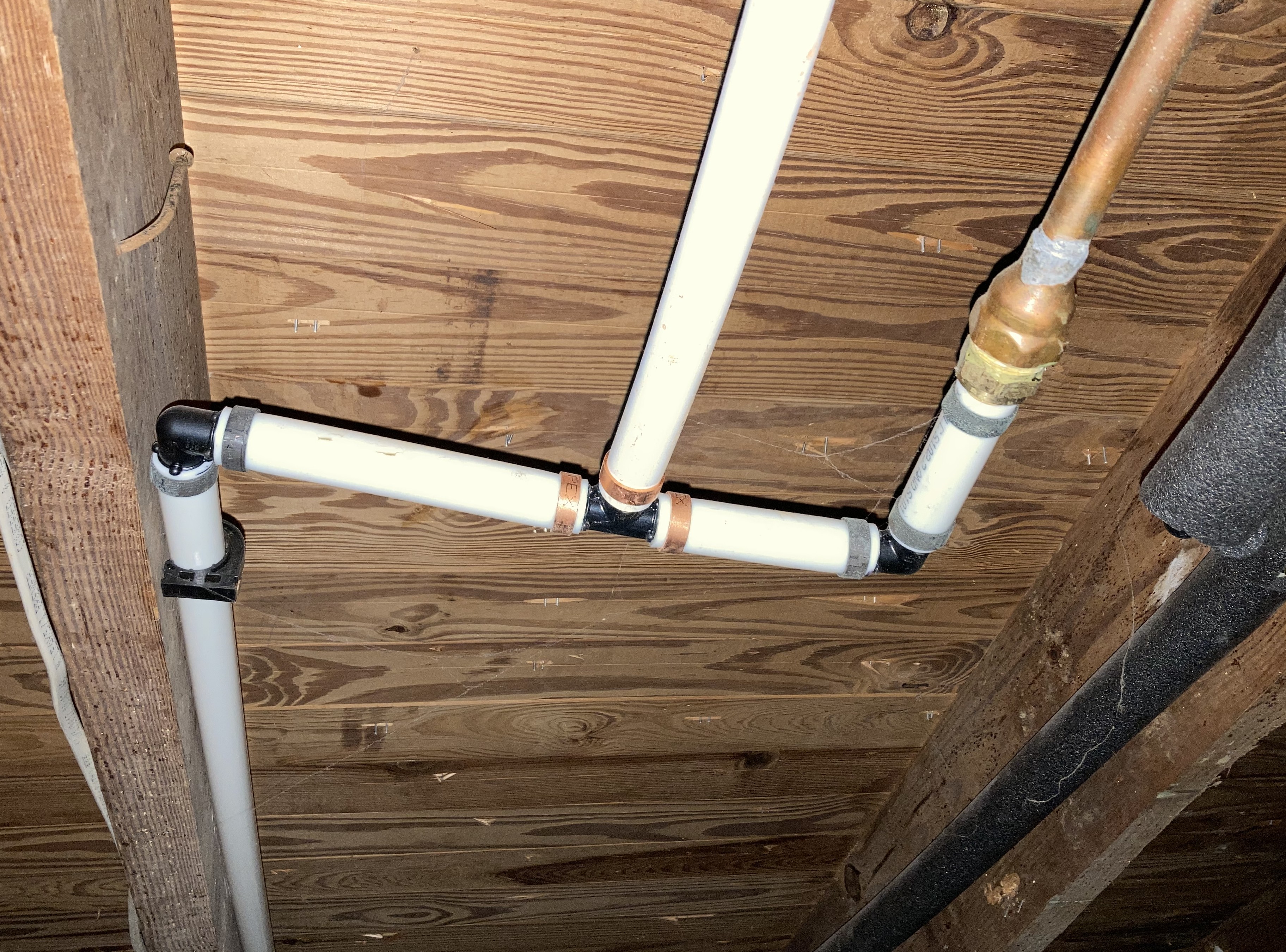
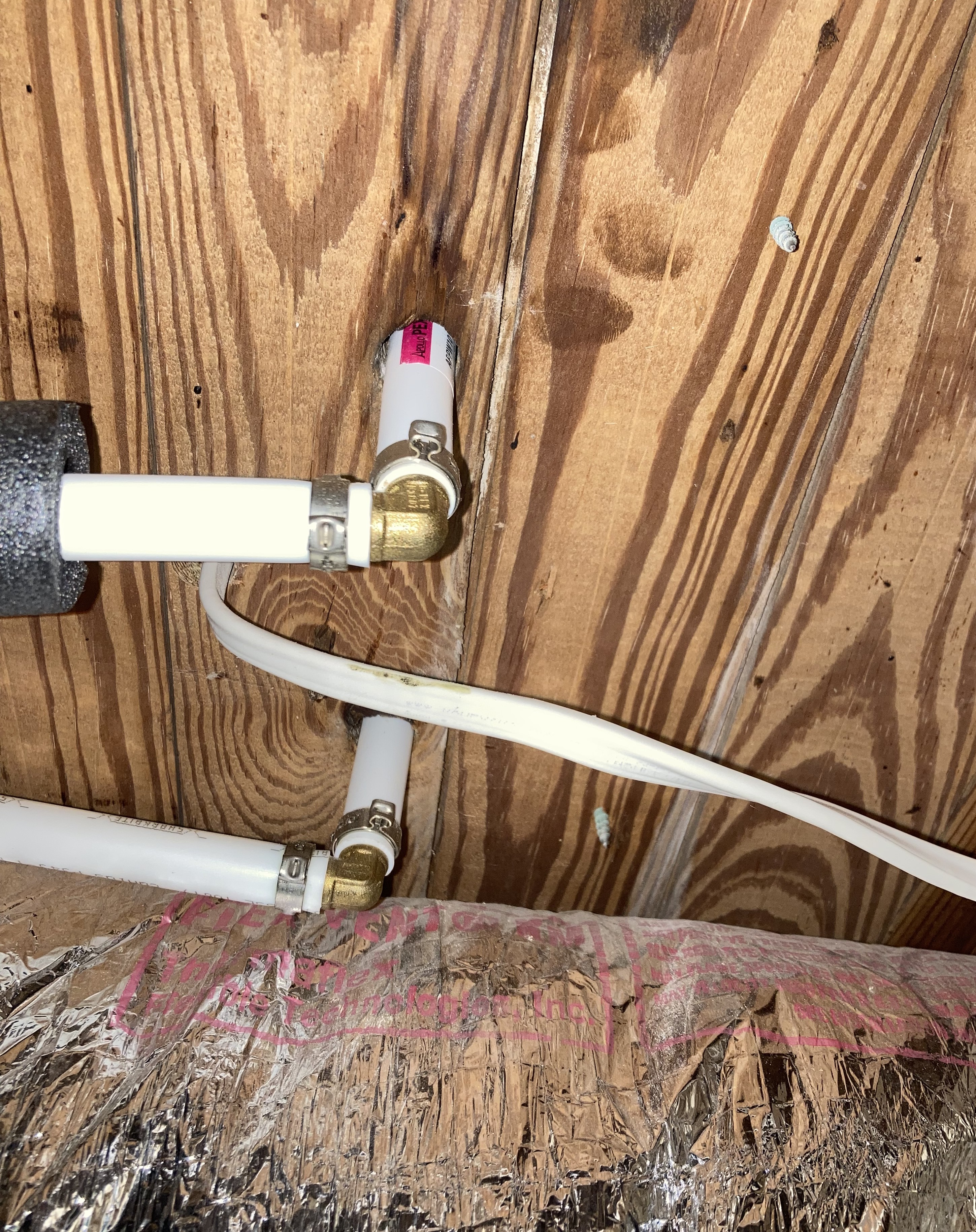
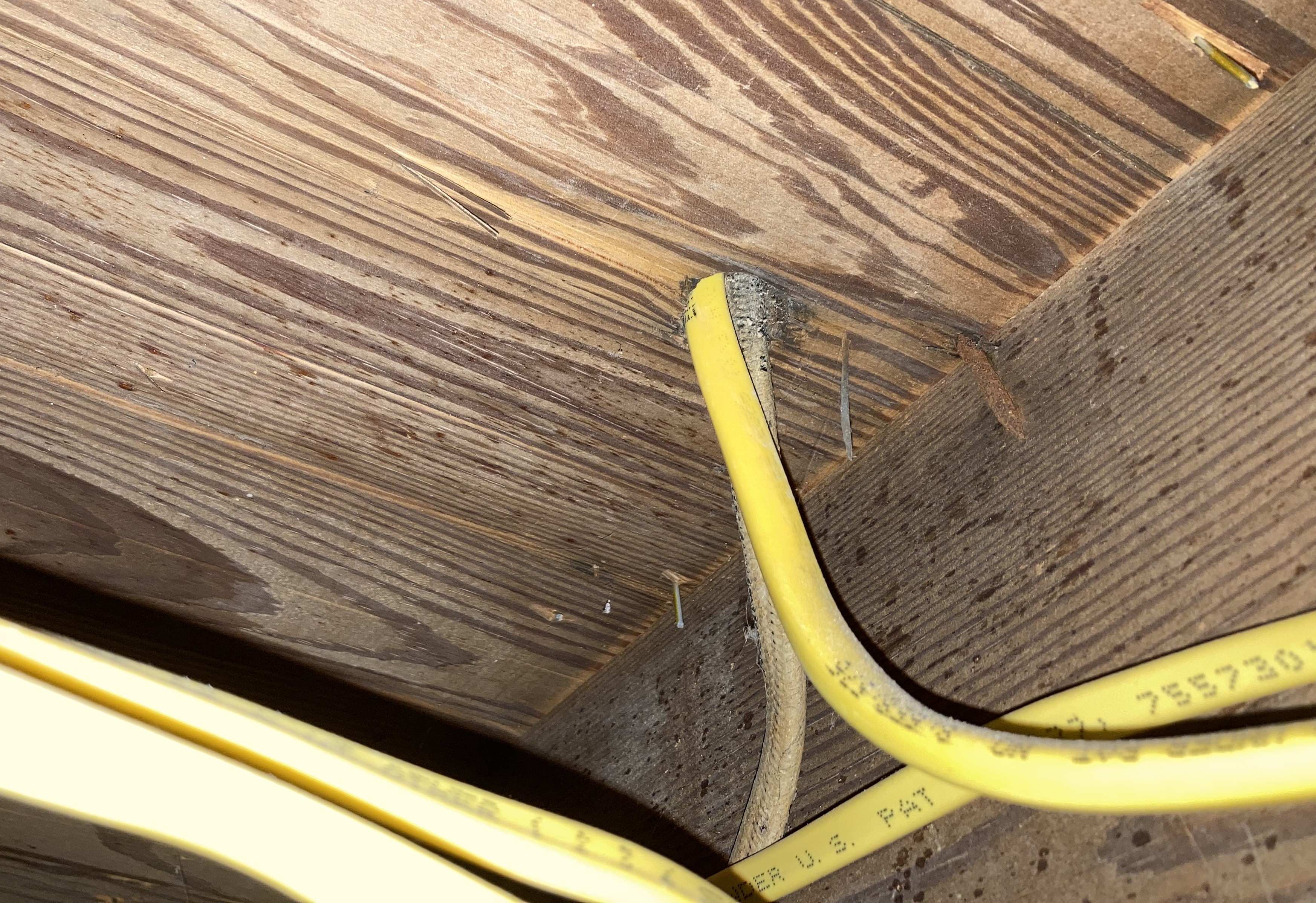
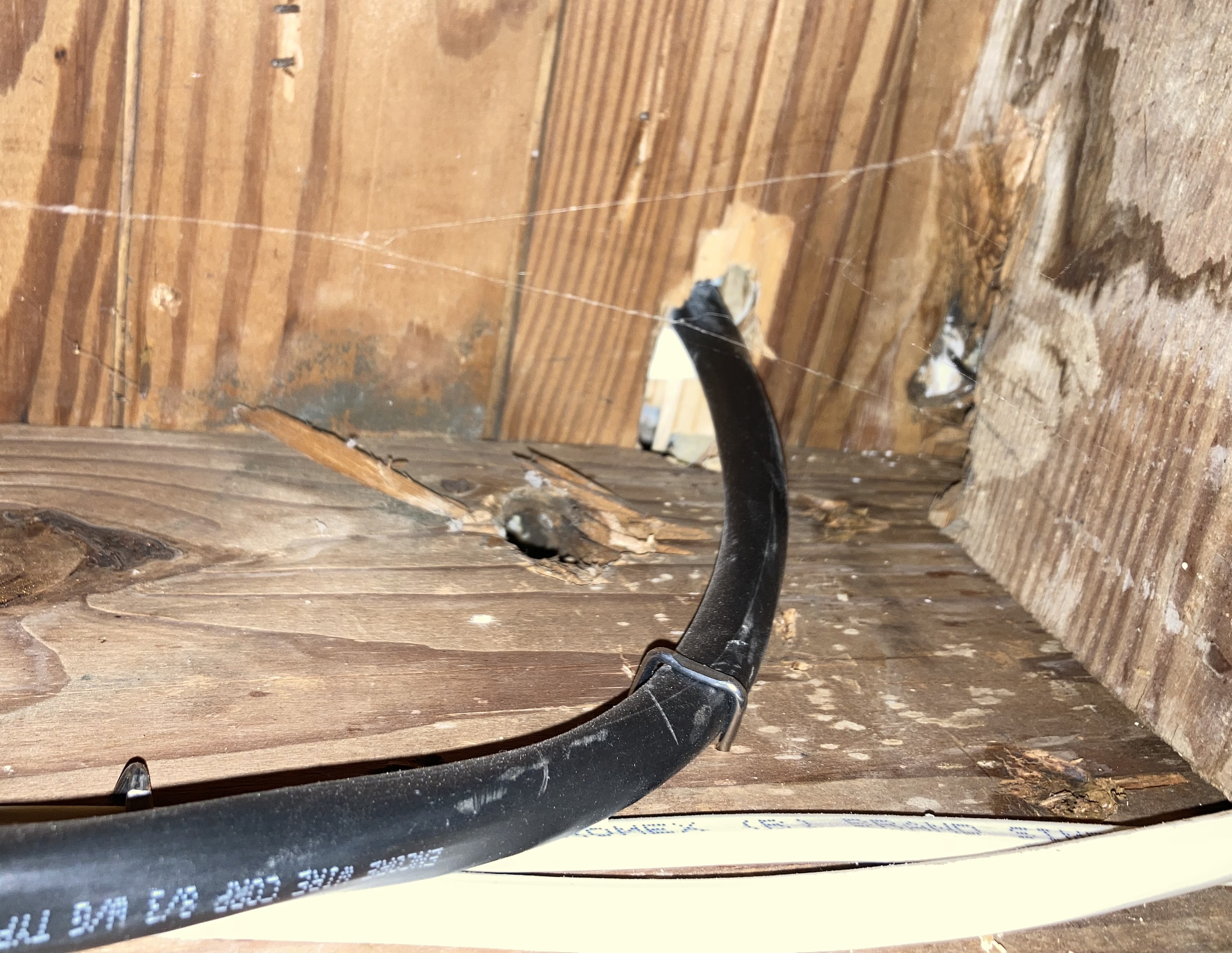
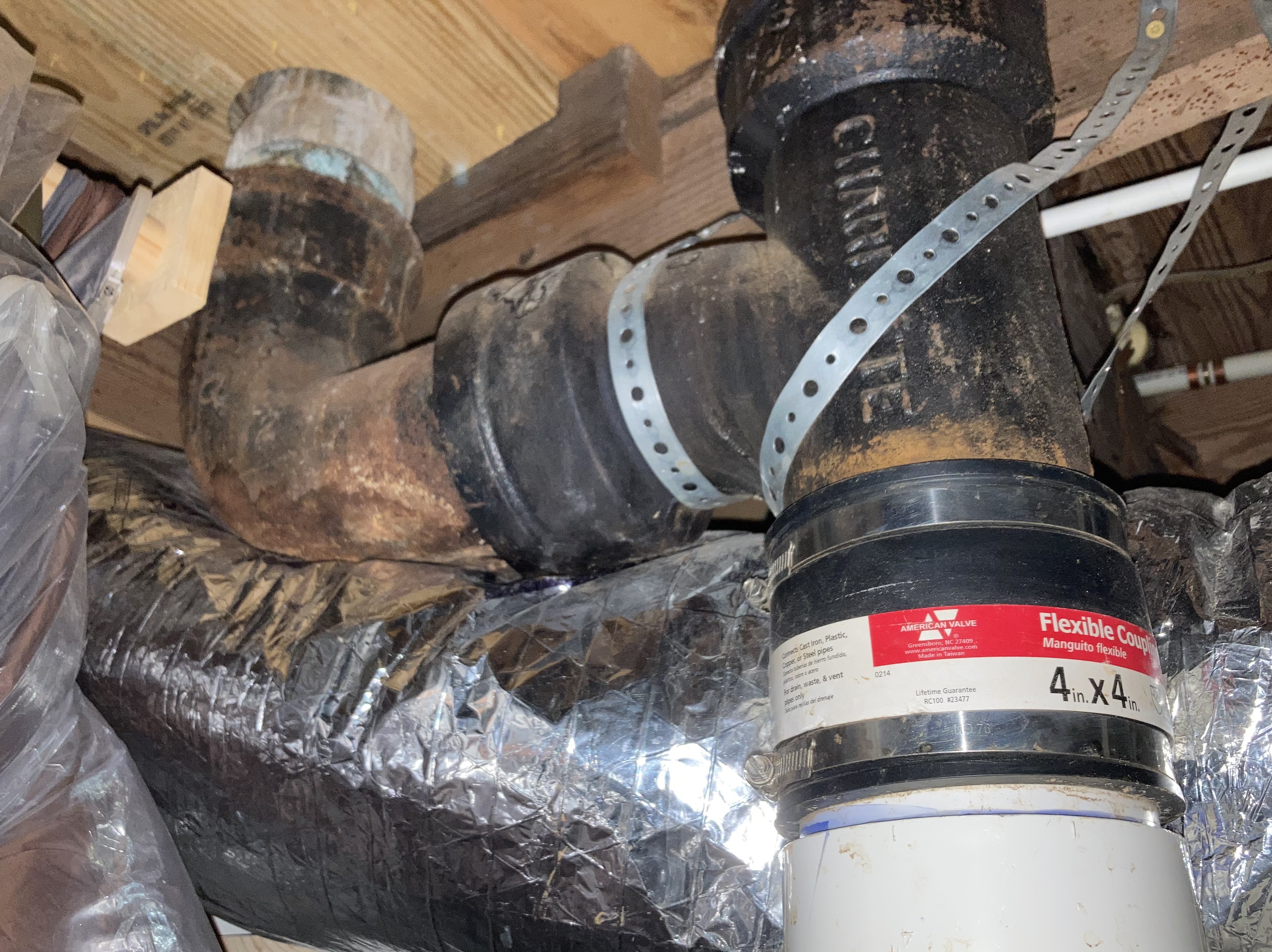
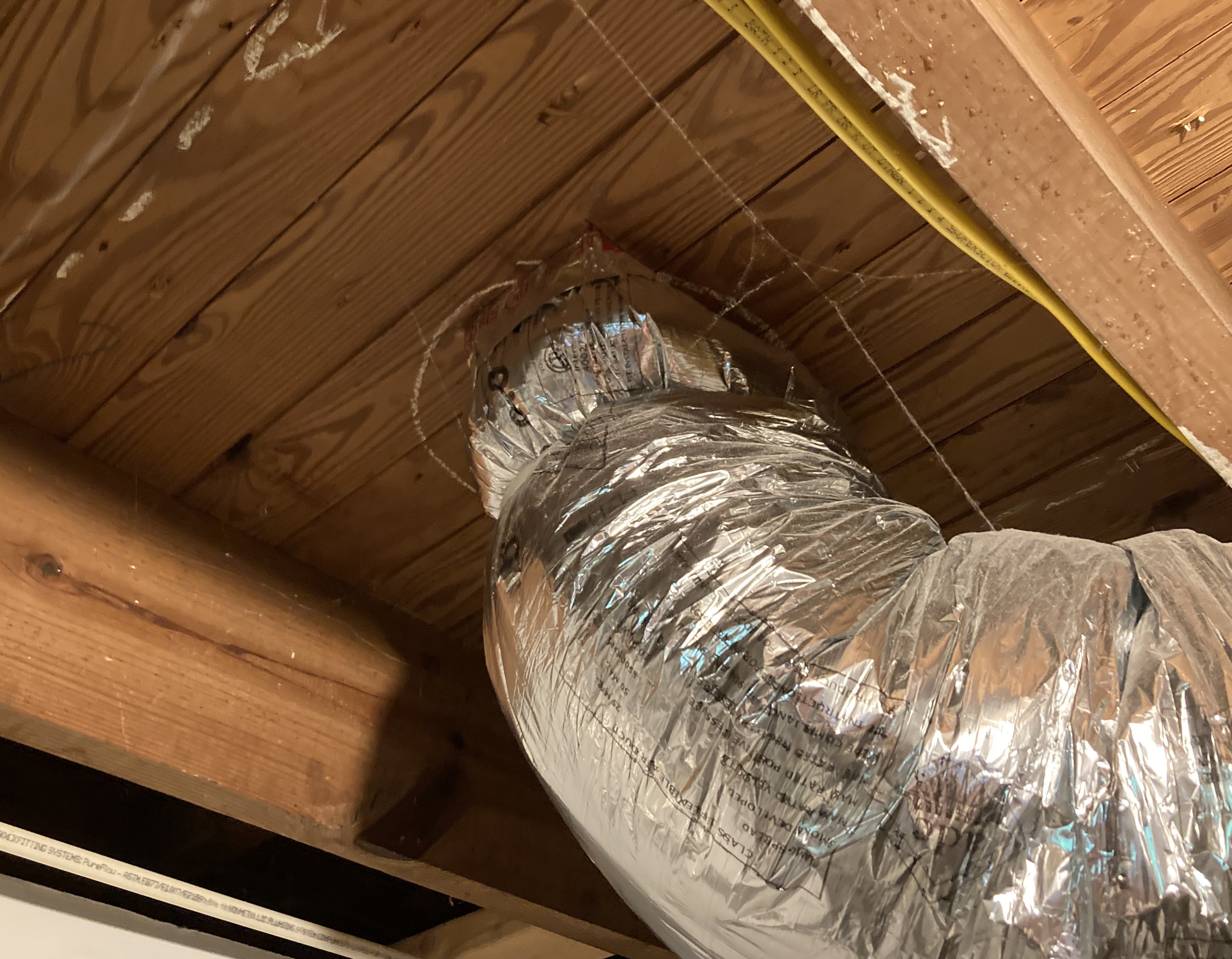
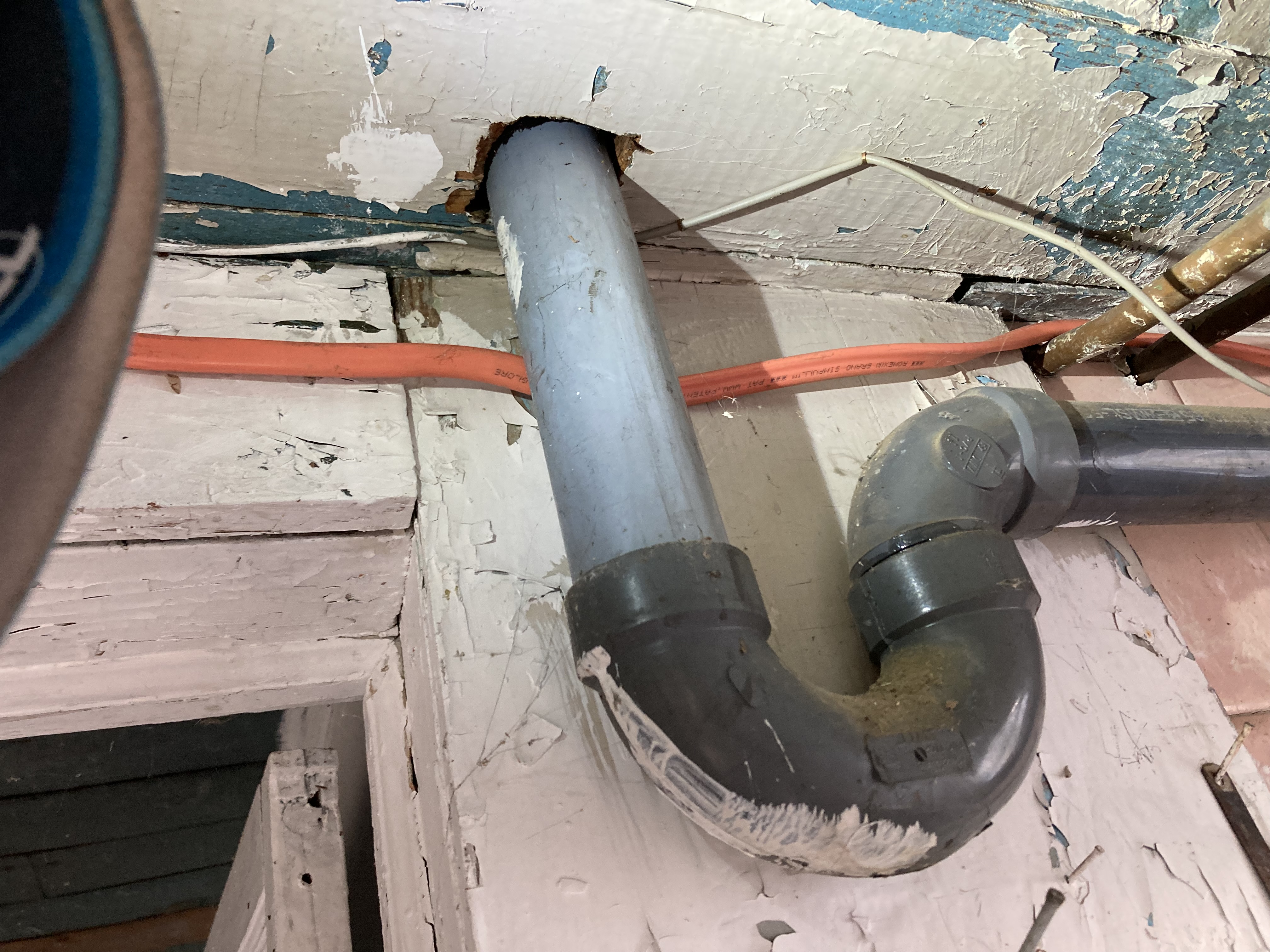
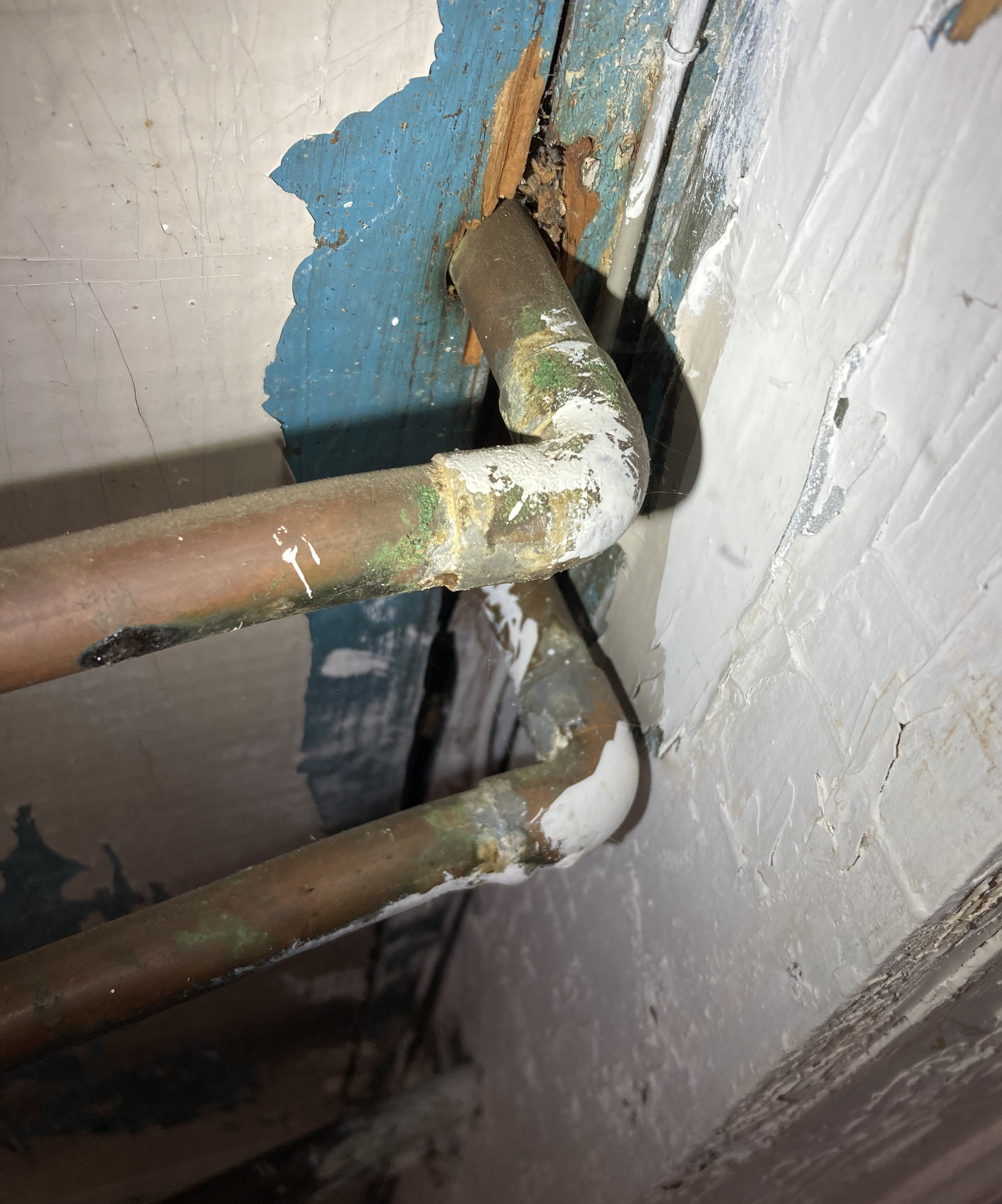
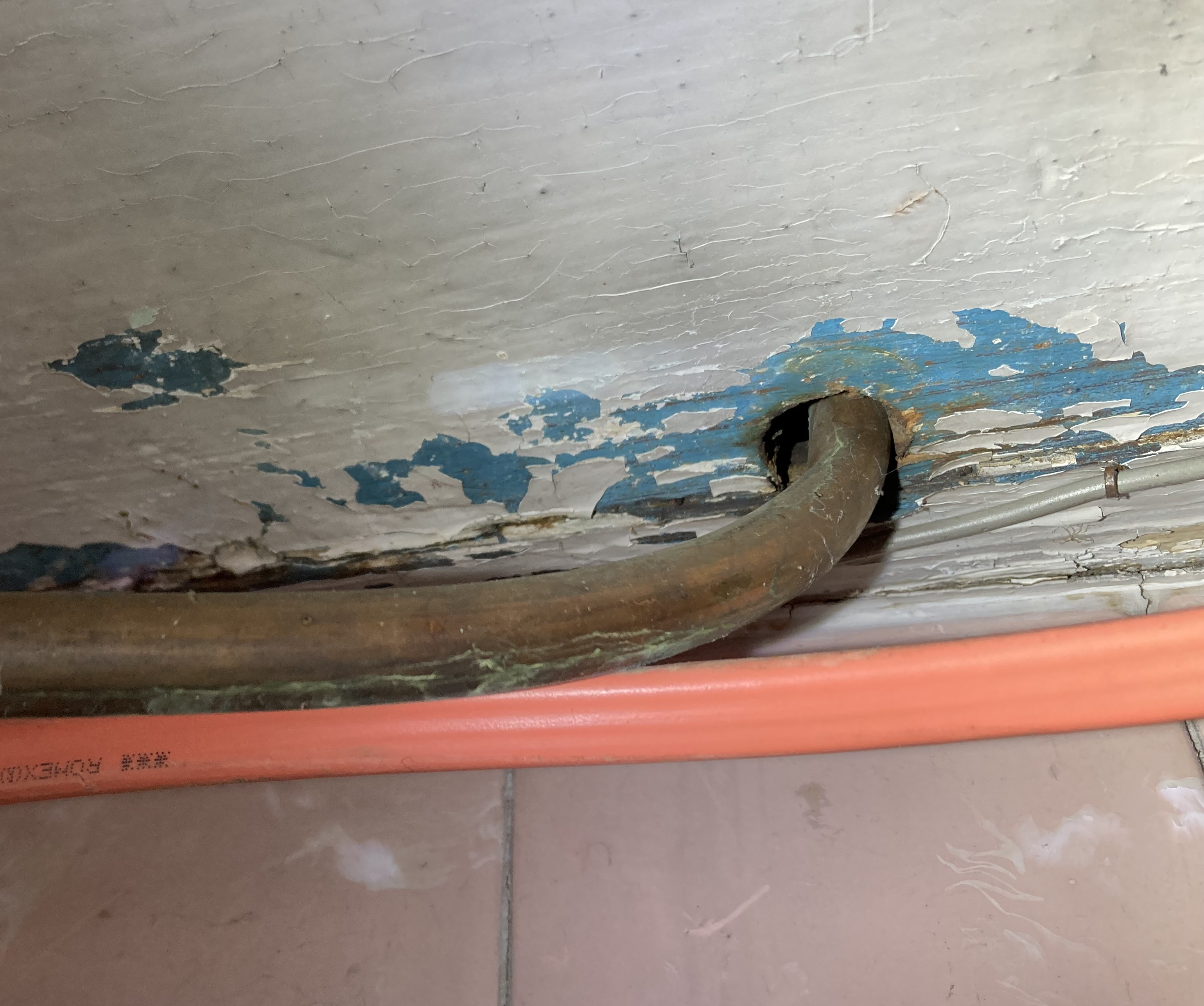
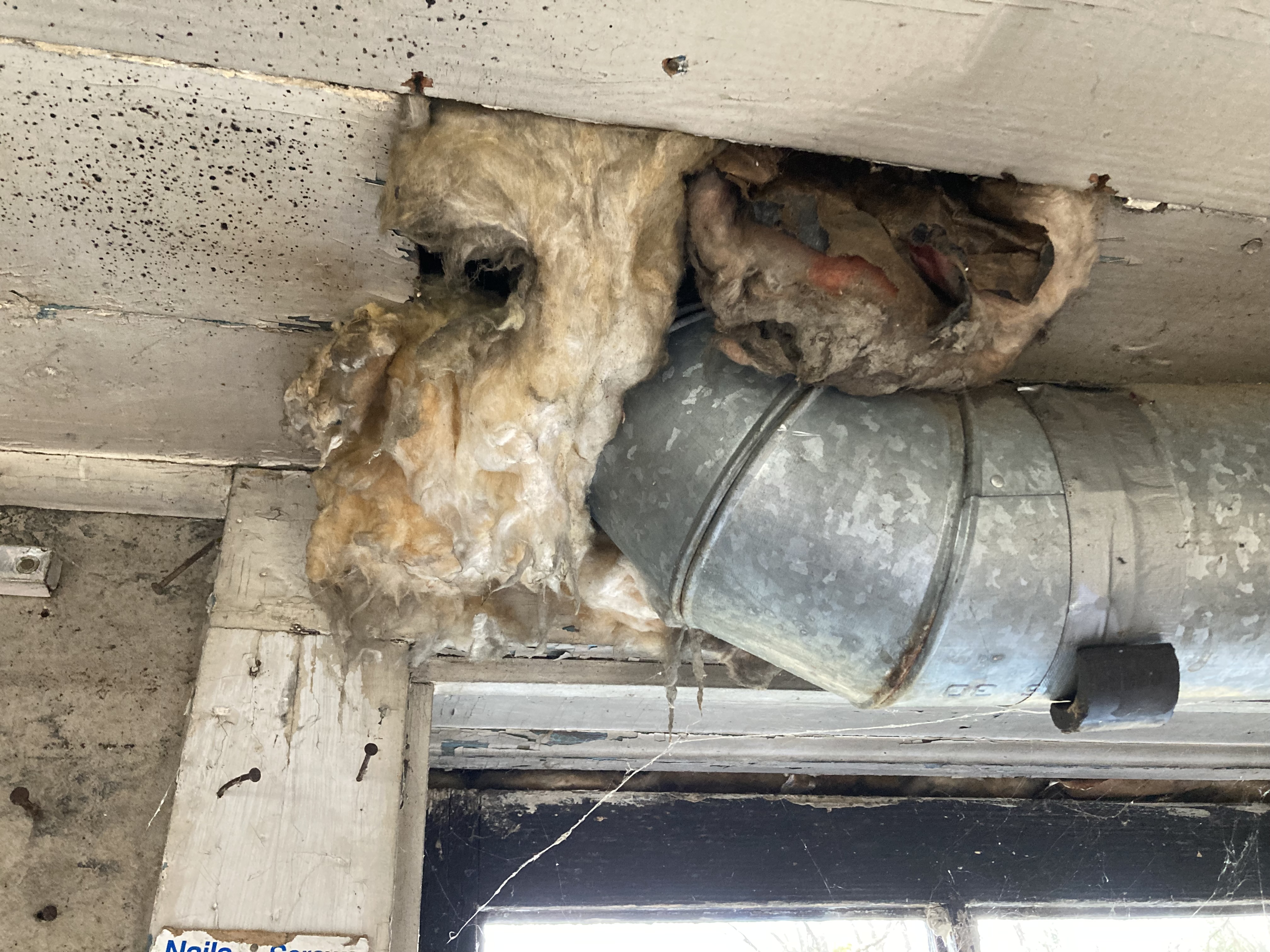
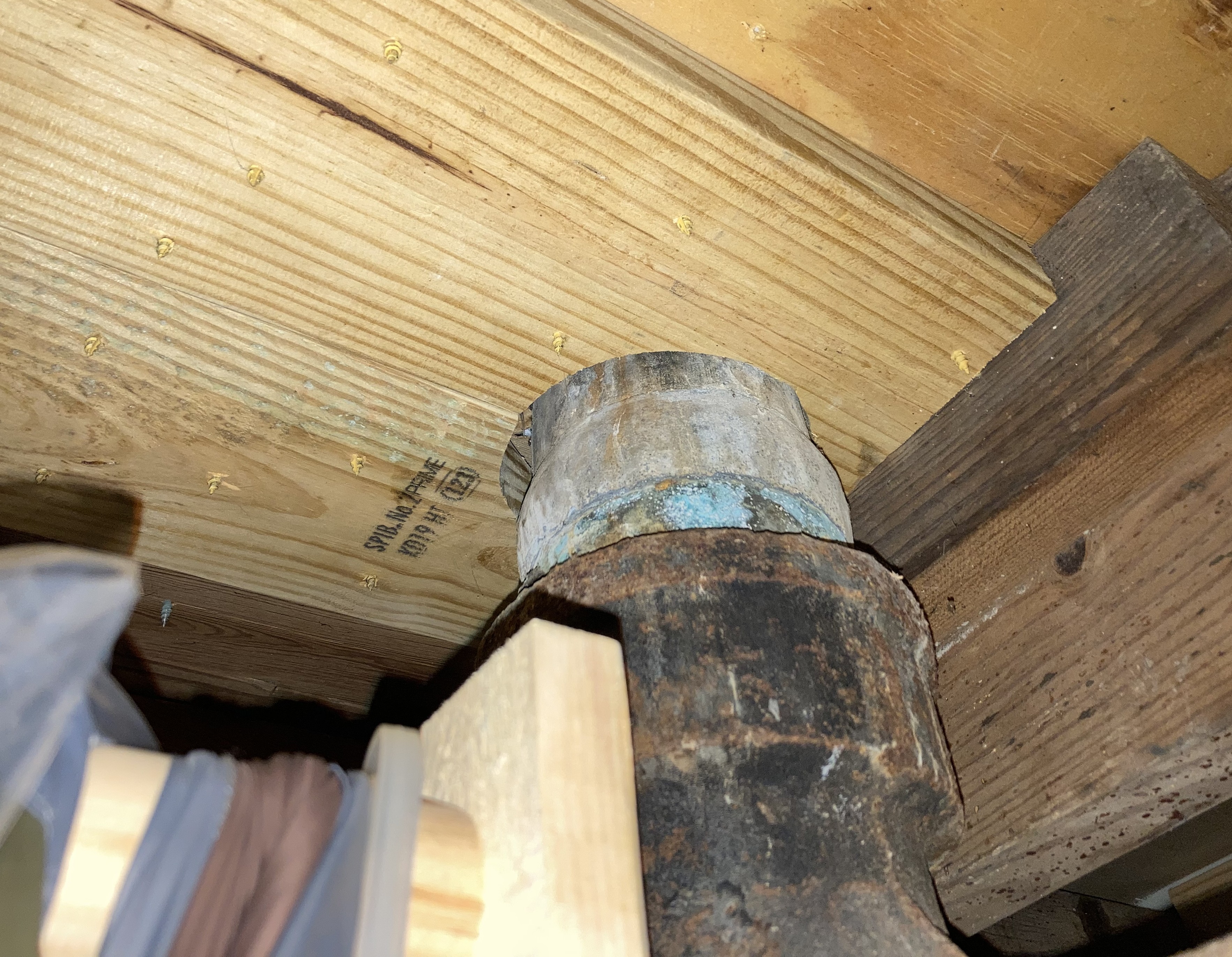
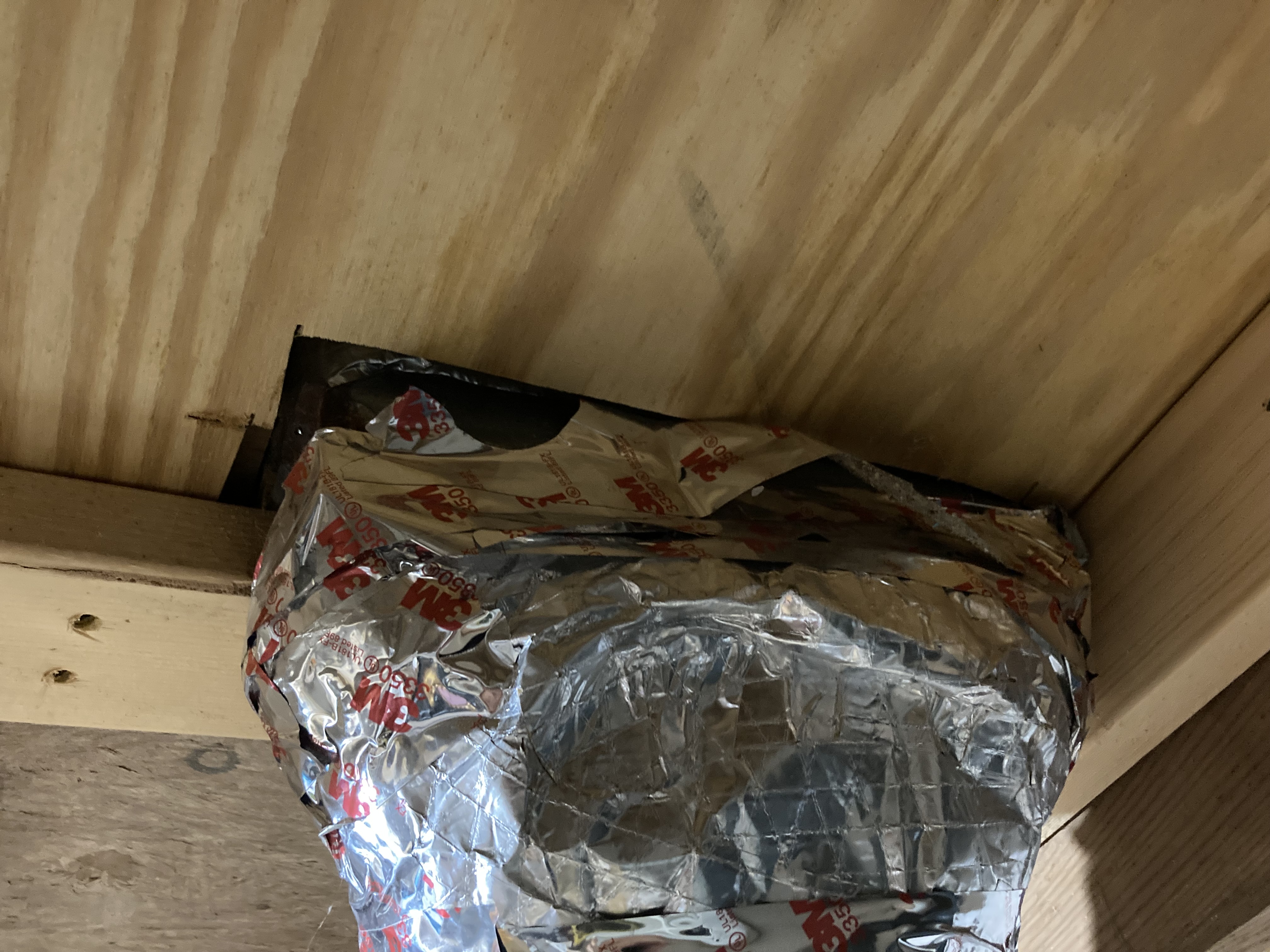
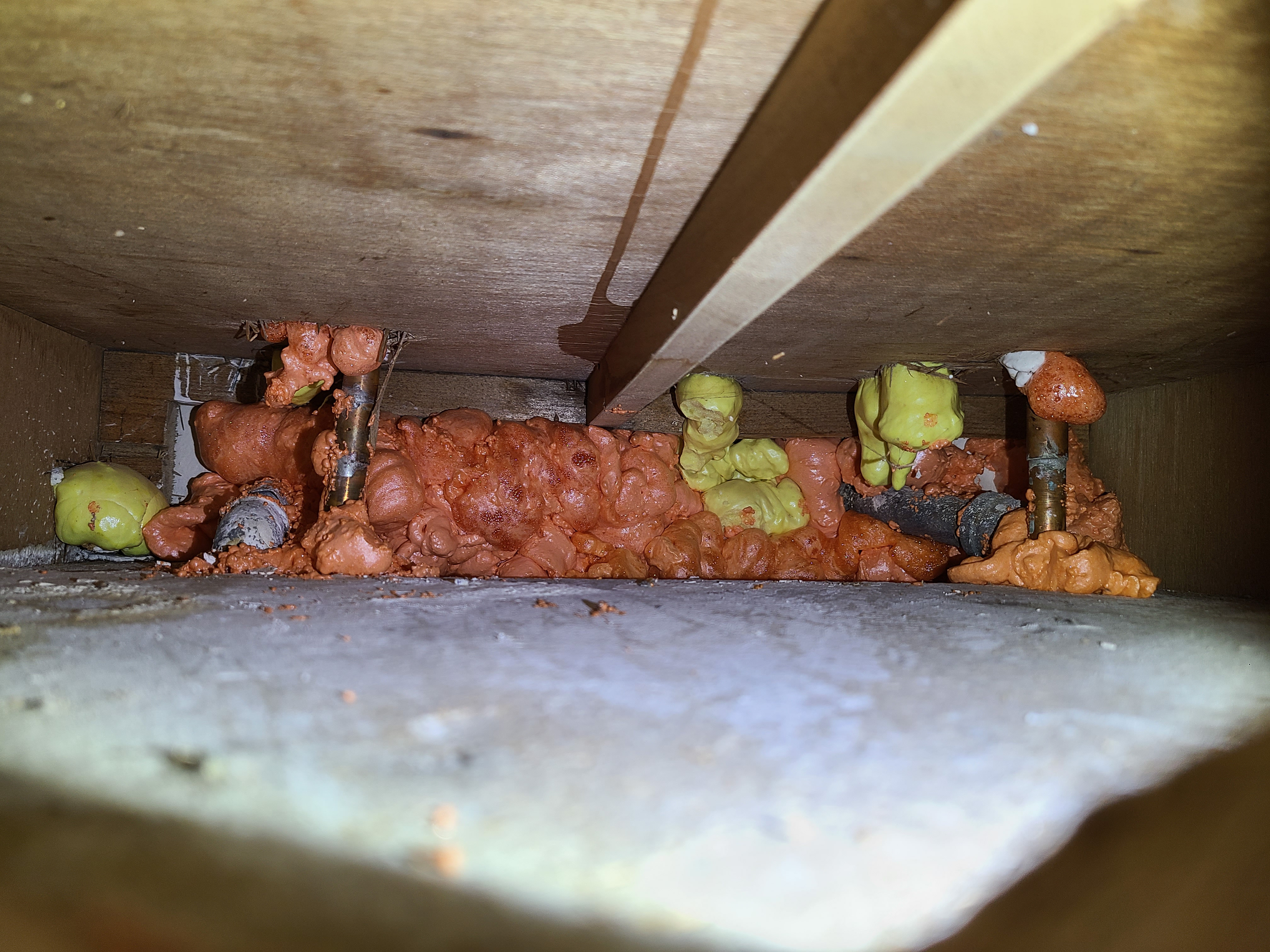
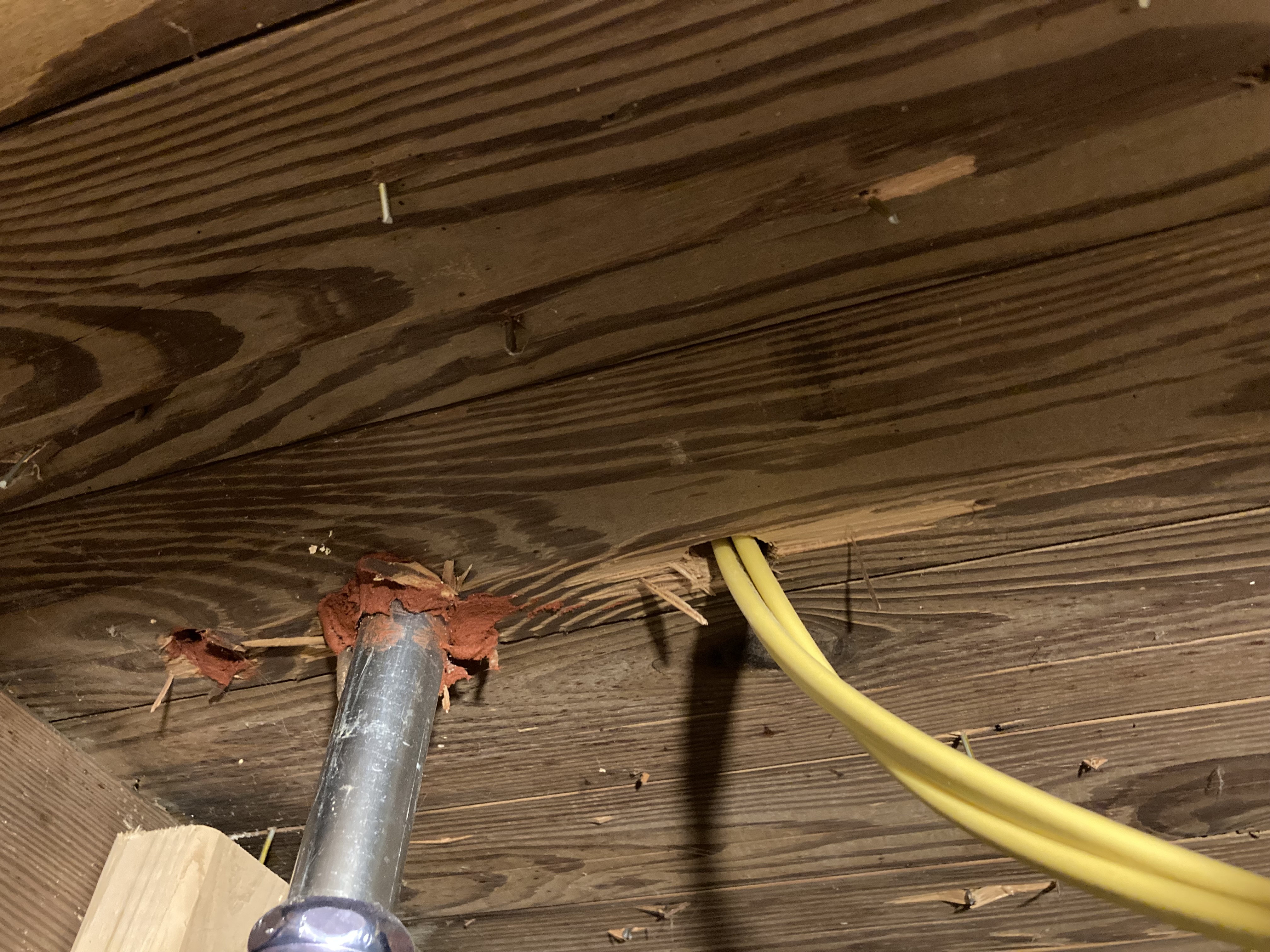
Go into your crawlspace, unconditioned basement, or other unconditioned space below the floor. Wear a dust mask, gloves, and a coverall suit in the crawlspace to protect yourself from abrasive fiberglass insulation. Use the floor map you created to locate floor penetrations. In addition to using the map, you can also systematically follow the network of water supply pipes, wastewater pipes, wiring, natural gas pipes, and ducts to identify where they intersect with the subfloor. Finally, you can also use the map to trace along the bottom of each wall to find hidden penetrations. Pull back insulation as needed to find penetrations (Figure 1). Look at each penetration to identify gaps which could use air sealing. Figures 1-13 display a variety of different floor penetrations.
You also may find gaps in the subfloor itself, for instance at joints between plywood or boards. A great time to find and fill these types of gaps is during floor replacement after the old flooring has been pulled up.
Source
Source
Source
Source
Source
Source
Source
Source
Source
Source
Source
Source
Source
3. Air seal penetrations.
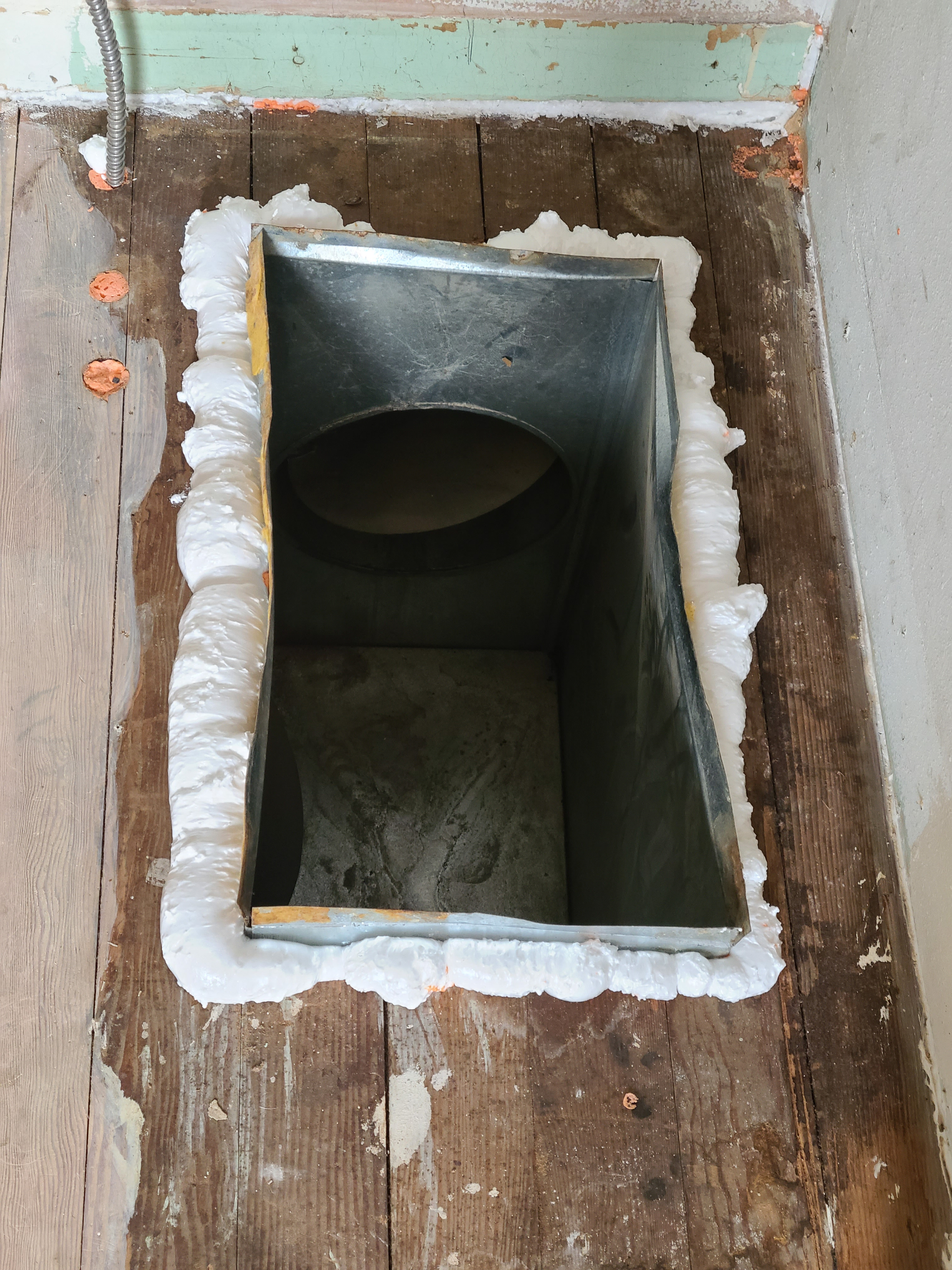
Air seal gaps in the subfloor around pipes and wires using caulk, canned spray foam, or a combination of rigid foam board and spray foam. Caulk can generally be used for gaps that are less than ¼ inch. Gaps up to about 1 inch can be filled using spray foam. For larger gaps, cover the hole with a rigid air barrier like foam board, plywood, or sheet metal, and use spray foam to seal the board in place.
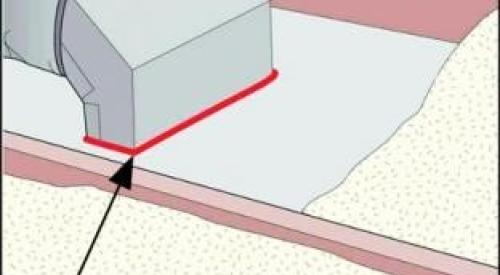
Use fire-rated caulk and foam for penetrations in walls. If pests are a concern, use pest-blocking foam or caulk, or embed steel wool or metal mesh in the gap and cover it with sealant. When sealing around sheet metal duct boots, consider using a low-expansion spray foam to prevent the foam from deforming the rectangular boot. For larger gaps, sheet metal can be used in place of rigid foam board.
Source
Source
Source