An official website of the United States government
Here's how you know
Official websites use .gov
A .gov website belongs to an official government organization in the United States.
Secure .gov websites use HTTPS
A lock (
) or https:// means you’ve safely connected to the .gov website. Share sensitive information only on official, secure websites.
The Department of Energy uses information from the annual reports to keep track of the usability and impact of Home Improvement Expert and determine if any subjects merit new checklists.
The Home Improvement Expert checklists were designed with input from top experts in the residential construction world and are designed to provide broad guidance on what will deliver the highest quality product for the customer. Contractors are encouraged to modify elements of the checklist to align...
Home Improvement Expert Checklists are designed to make it easy to bring customers high-quality work. Using the checklists in tandem with your standard contractual language allows both you and the customer transparency about what the work will or will not involve. As a bonus, both you and they get a...
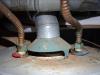
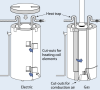
Insulating hot water pipes gets more hot water to pipes faster, reducing wear on your water heater, saving on water heating costs, and protecting pipes from freezing.
DIY guide showing how to pick a replacement air filter and how to replace the filter in home’s HVAC system when the air filter is located in a return grille in a ceiling, floor, or wall.
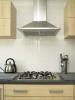
Replace an existing recirculating kitchen fan with a kitchen exhaust fan that is ducted to the outside or install a new kitchen exhaust fan that is ducted to the outside.
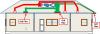
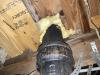
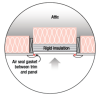
Air sealing your bathroom exhaust fan can prevent attic air from leaking into the home and heated air from leaking into the attic, improving comfort and reducing energy bills.
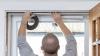
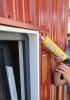
Add weatherstrip to windows and doors that open to the outdoors or unconditioned spaces like attics and basements to decrease air leakage and heating and cooling losses.
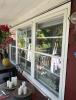
Using storm windows can increase your home’s energy efficiency, reduce drafts and glare, block out outside noise, and make your home feel more comfortable.
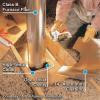
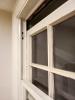
Air seal and insulate around old wooden windows to remove or renovate pocket weights, decrease heating and cooling losses, and make your home more comfortable.
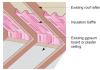
For homes with heating registers in the ceiling or floor, air seal where the duct boots meet the ceiling drywall or the flooring to prevent heat loss around the register.
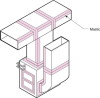
Sealing seams and holes in the air handler or furnace cabinet of central forced-air HVAC systems prevents the loss of conditioned air and improves the performance of your HVAC equipment.
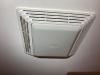
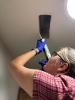
Cleaning your bathroom exhaust fan inside and out can help it to perform more effectively at removing moisture from the home while using less energy, making less noise, and helping the fan to last longer.
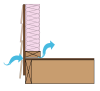
Caulking the base of your walls is a simple way to reduce air leakage, reduce drafts, improve comfort, and increase the energy efficiency of your home.