



Home Improvement Expert™ Checklist
Description
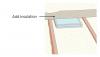
Many home basements do not have adequate wall insulation resulting in excessive heat loss in the winter and heat gain in the summer along with seasonally cold surface temperatures that can compromise comfort and moisture control. Adding basement insulation can significantly address these home performance challenges. However, critical installation best practices need to be followed to ensure a successful project. Use this checklist to get the significant energy savings, enhanced comfort, and durability benefits possible with quality installed basement wall insulation.
Guide
Description
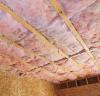
Guide describing Installing blanket fiberglass insulation on the interior walls of a conditioned, unfinished basement as an alternative to best practice solutions.
Reference
Description
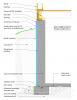
Information sheet with HVAC duct insulation, testing, maintenance and performance information.
Guide
Description
Guide describing how to insulate slabs on grade in climate zones 3 and higher.
Guide
Description
Guide describing methods for insulating an unvented attic along the roof line.


Video
Description
Video from Home Innovation Research Labs giving a background on installing blown cellulose insulation in stud cavities.
Reference
Description
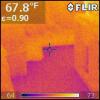
Article describing a research study exploring how effective interior insulation systems are at keeping basements dry and warm.
Guide
Description
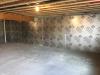
Guide describing method for insulating an unvented crawlspace or conditioned basement with rigid foam on the interior side of the walls.
Reference
Description
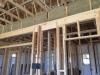
Introductory guide to air sealing the envelope of a home to reduce wasted energy and save on energy costs.
Reference
Description
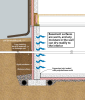
Guide providing information on using exterior foam insulating sheathing in building wall assemblies to enhance thermal performance.
Video
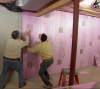
Description
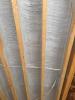
Video describing how to warm up a chilly concrete wall with This Old House general contractor Tom Silva.
Home Improvement Expert™ Checklist
Description
In many homes, heating and cooling ducts are not properly sealed and insulated which can reduce utility bills up to 20%, cause uneven temperatures throughout the home, and provide a pathway for moisture, dust, pollen, and pests. Duct sealing and insulation is often one of the most cost-effective measures you can take to improve your home’s performance. However, critical installation best practices need to be followed to ensure a successful project. Use this checklist to get the significant energy savings, enhanced comfort, health, and durability benefits possible with quality installed duct sealing and insulation.