An official website of the United States government
Here's how you know
Official websites use .gov
A .gov website belongs to an official government organization in the United States.
Secure .gov websites use HTTPS
A lock (
) or https:// means you’ve safely connected to the .gov website. Share sensitive information only on official, secure websites.

Guide describing how to design HVAC systems to be located within the conditioned space of the home, either in a utility closet or in an attic, basement, or crawl space.
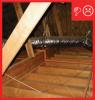
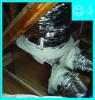
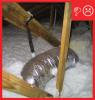
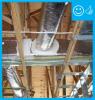
Report on heating and cooling air-distribution ducts that are insulated, installed close to the ceiling in a vented attic and covered with attic insulation to minimize energy loss.
Guide describing how to conduct duct leakage tests per RESNET protocols on all components of the HVAC system (including the air handler, ductwork, register boxes/boots, and all air devices such as diffusers, registers, or grilles).
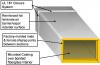
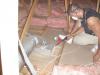
Case study describing a DOE Building America Top Innovation on HVAC ducts located in vented attics that are encapsulated in foam and buried in attic insulation.
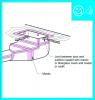
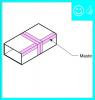
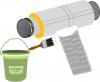
Guide describing how to thoroughly seal HVAC ducts to ensure air delivery without leakage, and to ensure economical and quiet performance of the HVAC system.
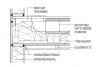
Presentation with technical training covering several possible approaches to locating ducts within the home’s air and thermal barriers, and then dig into design considerations and details for the spray foam encapsulation approach.
Webinar that will explain mandatory and prescriptive requirements related to duct installation, insulation, sealing, and testing, as well as requirements for heating, cooling, and hot water systems and controls.
Document covering the technical aspects of buried and insulated ducts (BEDs), as well as the advantages, disadvantages, and risks of BEDs compared to alternative strategies.