



What this tool does
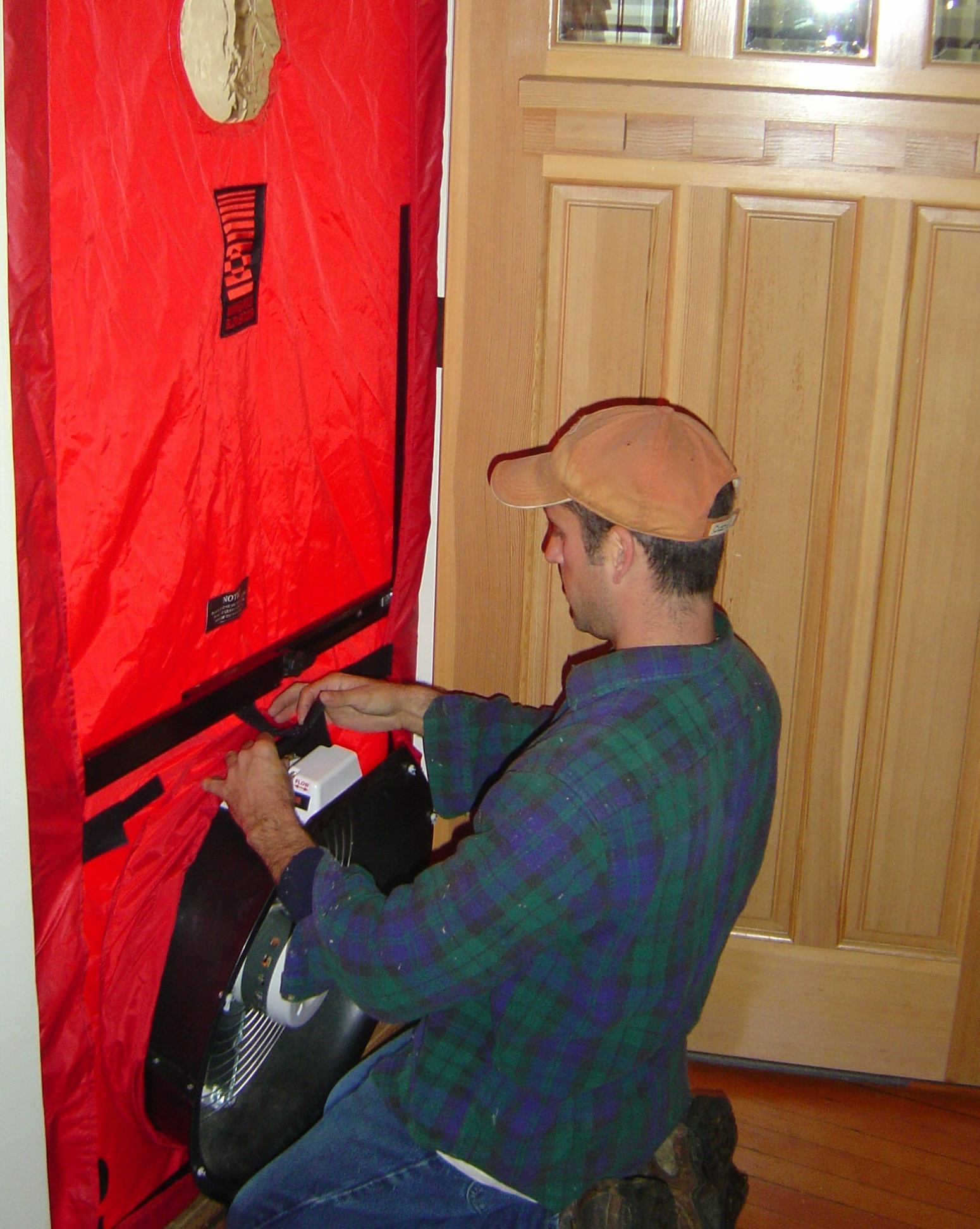
You can calculate up to eight air leakage metrics, including ACH50, equivalent leakage area (EqLA), effective leakage area (ELA), specific leakage area (SLA), and more. Determine if your building complies with the International Energy Conservation Code or Energy Star Qualified Homes requirements for ACH50 or the Washington State requirement for SLA.
This unique RED Calc tool uses our “solve-all” technique, but in a different way than our other solve-all tools. Instead of selecting one of eight values to solve, you select one of eight values to enter; the other seven are solved by the tool.
You will find this tool very useful for determining airtightness code compliance and target tightness values, and for your education.
Calculated values
- Leakage at 50Pa
- ACH50
- Equivalent leakage area (EqLA)
- Effective leakage area (ELA)
- Specific leakage area
- Leakage at 50Pa / floor area
- Leakage at 50Pa / surface area
- Leakage coefficient
Tips
- Clicking the label for any input or result will cause a popup help box to appear. This help box includes the allowed and normal values (for inputs).
- In the bottom section of the tool, you must select one of the eight metrics with the radio buttons and enter its value. All seven other metrics will be calculated.
- A few of the calculated results in the bottom section of the tool require that certain input values be entered in the top section of the tool. For example, “Leakage at 50Pa / floor area” and “Specific leakage area” require that “Floor area” in the top section of the tool be entered. Additionally, “Leakage at 50Pa / surface area” requires the “Surface area” in the top section of the tool to be entered.
Best Practices
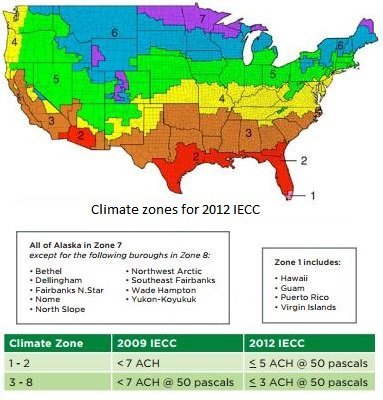
Some of the metrics calculated by this tool are used by various codes and standards. For example, the International Energy Conservation Code requires the ACH50 values for the Code years and climates shown in the map and tables shown here.
Some other published requirements include the Canadian R-2000 Program of 1.5 ACH50 and the Passivhaus Standard of 0.6 ACH50. Also, see the table below for the Energy Star Qualified Homes requirements.