



Scope
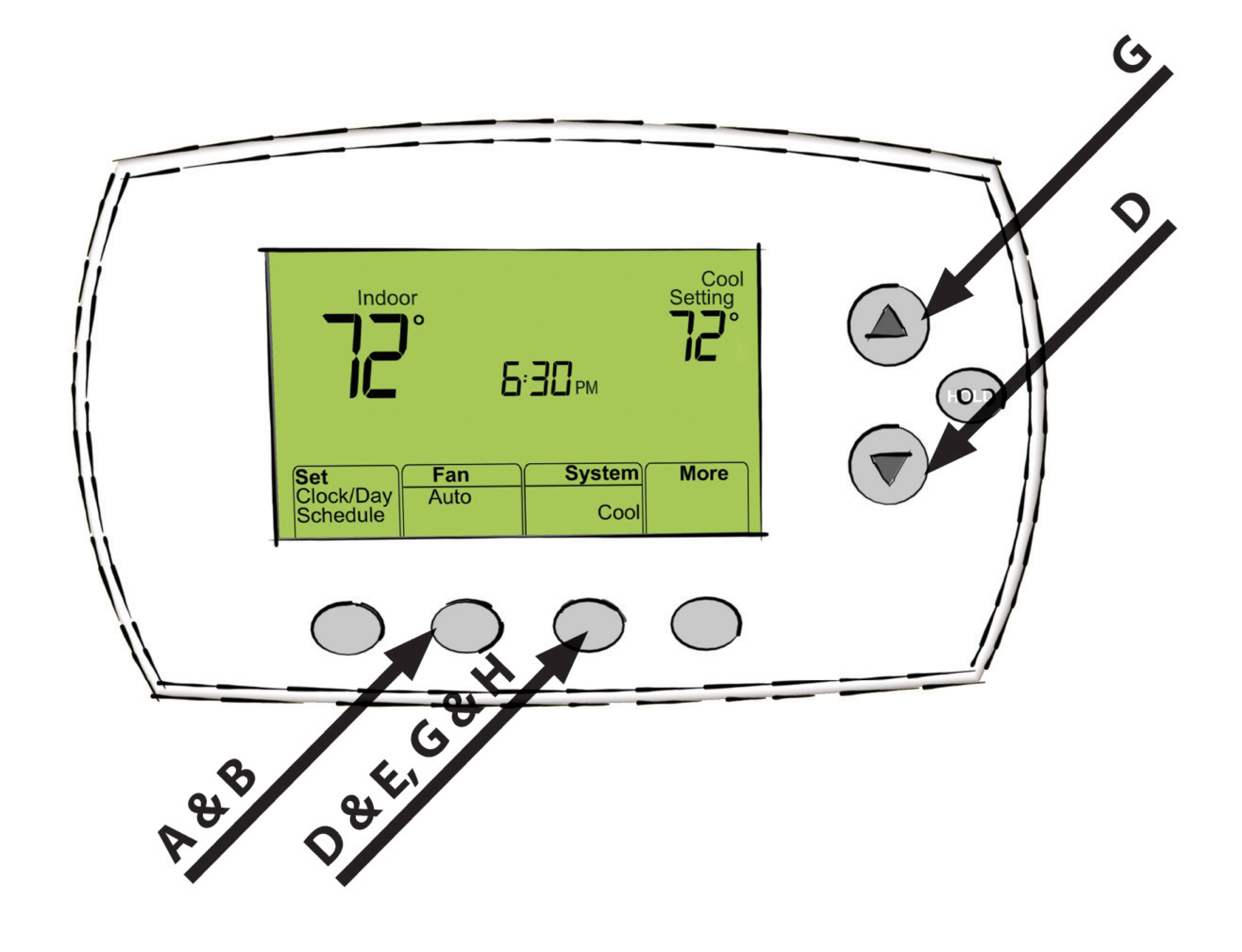
Install a programmable thermostat to control the heating and cooling equipment.
Test the thermostat to ensure that it works in heating, cooling, and fan modes.
See the Compliance Tab for links to related codes and standards and voluntary federal energy-efficiency program requirements.
Description
A thermostat is a device that senses and controls temperature for a heating and/or cooling system. Thermostats have been used to regulate heating and cooling for centuries. Homeowners with conventional thermostats can save energy and money just by remembering to adjust their thermostats every day. According to the U.S. Department of Energy (DOE), consumers can save as much as 10% per year on heating and cooling by simply turning the thermostat back 7°-10°F for eight hours a day from its normal setting (see energy saver thermostats). The percentage of savings from thermostat setback is greater for homes or buildings in mild climates than for those in more severe climates.
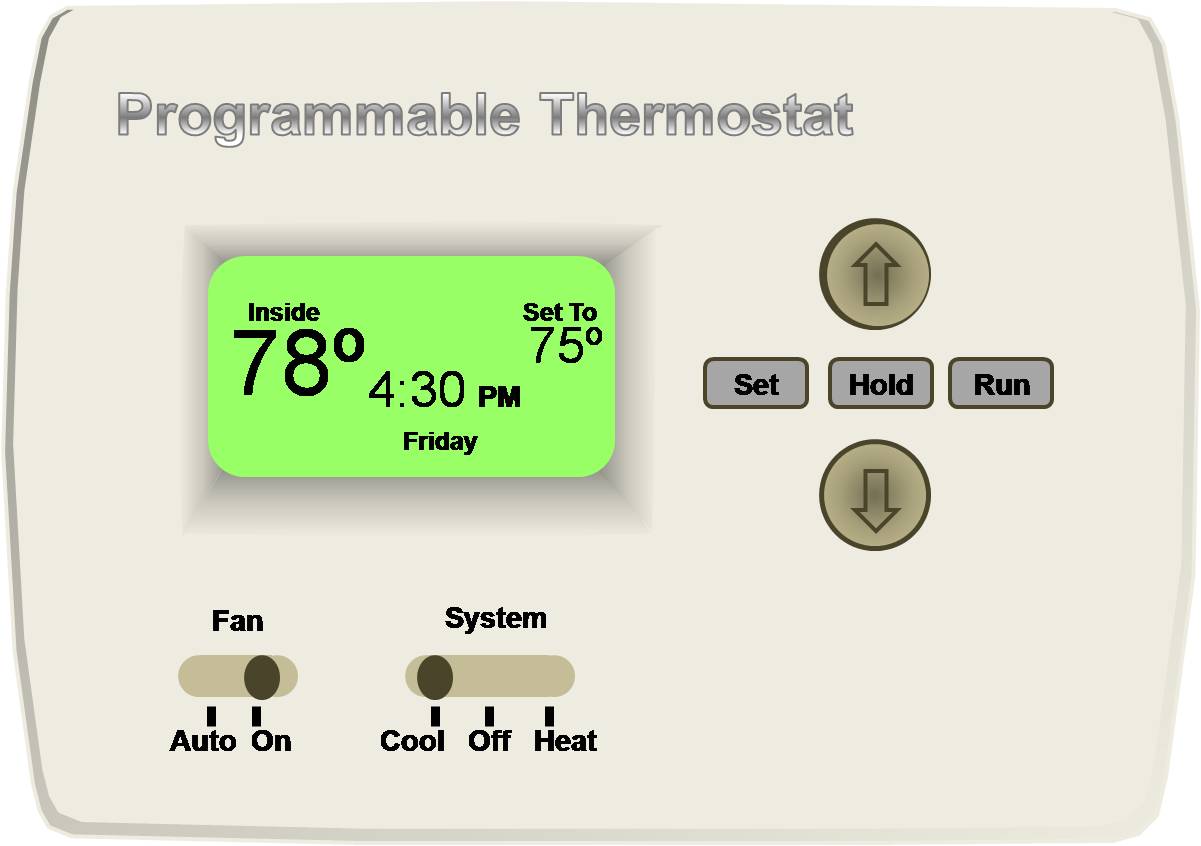
In homes with central HVAC equipment, a programmable thermostat should be installed. If the home has a heat pump for heating and cooling, the programmable thermostat should have adaptive-recovery technology. These specially designed thermostats for heat pumps are equipped with an adaptive-recovery technology that directs the heat pump to minimize the use of costly auxiliary heating, which is typically electric resistance heat, when returning the space from a set-back temperature to the desired temperature. For example, the owner may input a temperature setback to 62°F during the day in the winter while they are at work with the temperature returning to 68°F at 5 pm. In the afternoon, the thermostat’s microprocessor senses the temperature difference to be overcome and triggers the heat pump earlier allowing it to bring up the space temperature gradually over a longer period of time. This allows the heat pump alone to provide the temperature increase and minimizes the use of the more costly electric resistance auxiliary heat. Electronic thermostats with adaptive recovery technology “learn” from experience how soon to turn on the heating or cooling system. They do this by recording the time it takes to hit the target temperature and adjusting the start time accordingly. Within a week or so of installation, a programmable thermostat with adaptive recovery technology will have adjusted to the home’s specific heating and cooling system, construction type, and local climate.
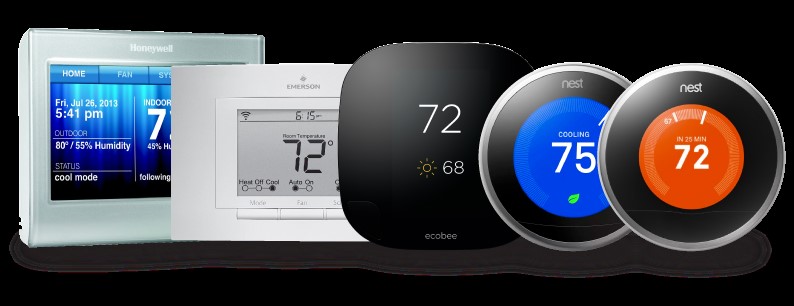
As innovation in sensors and electronics has advanced, thermostats have become more sophisticated in their capabilities. A smart thermostat is a Wi-Fi enabled device that adjusts heating and cooling temperature settings automatically for optimal performance. Smart thermostats provide home occupants with convenient control and insight of their heating and cooling needs. Occupants can establish a schedule that adjusts temperatures when home, away, or asleep. They can track and manage home energy use. They can also control heating and cooling remotely through a mobile device (e.g., smartphone or tablet).
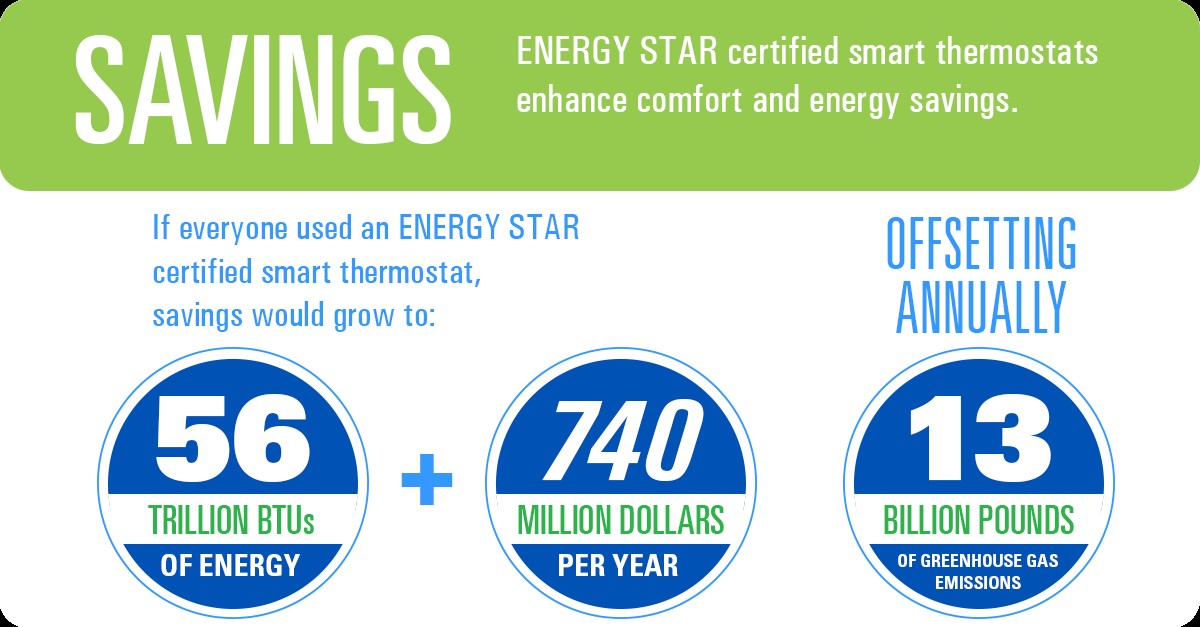
When purchasing smart thermostats, consider ENERGY STAR certified models. Smart thermostats that earn the ENERGY STAR label use advanced sensor technologies and algorithms to save energy and money for homeowners. According to the U.S. Environmental Protection Agency (EPA), if every home used a smart thermostat, we would save 56 trillion BTUs of energy, $740 million from our energy bills, and offset 13 billion pounds of greenhouse gas emissions each year, equivalent to the emissions of 1.2 million vehicles (see ENERGY STAR Certified Smart Thermostats).
How to Install an ENERGY STAR Certified Smart Thermostat
- Select or help the homeowner select an ENERGY STAR certified smart thermostat.
- See the ENERGY STAR Product Finder to find ENERGY STAR certified models.
- Check the Database of State Incentives for Renewables & Efficiency® or the ENERGY STAR Rebate Finder to determine whether there is a rebate or incentive available in your area.
Install the smart thermostat.
- Remove the packaging from the smart thermostat. Ask the homeowner to keep the box and packaging materials for a few days in case the unit has to be returned for replacement or repair.
- Review the manufacturer instructions and study the pictures for wiring and setting up the smart thermostat.
- If you haven’t already done so, shut off power to the thermostat, heating equipment, and cooling equipment at the breaker panel and place a piece of tape over the breaker switches to ensure no one turns it back on while you’re working. Use a circuit tester to ensure the wires are dead. Another option is to turn off the power to the whole house.
- Install the replacement wall plate. Holding the wall plate against the wall, mark the locations of the screws using a pencil. Use a level if necessary. Make sure the drill bit size matches the size of the screws. Then, drill the pilot holes, and screw the replacement plate into its new position on the wall. If the smart thermostat came with anchors, install them so the system is supported.
- Connect the smart thermostat to the wires. Using the tape labels on the wires, connect each wire to the appropriate connection in the smart thermostat wall plate. You can twist the wires into the thermostat connectors. If at all in doubt, check the manufacturer’s instructions or contact the manufacturer’s customer service.
- Place the smart thermostat so it is above the wall plate, flush against the wall. Slide down the smart thermostat so it catches the grooves or screws of the wall plate and sits in place.
- Restore power to the smart thermostat, heating equipment, and cooling equipment by flipping the breaker switches. Give it a couple minutes for the power to kick on.
- Install the batteries in the smart thermostat. Make sure the batteries aren’t old, are properly in place, and the polarities are correct.
- Check to make sure the smart thermostat is powered on and operating. You may need to hit the reset button since certain models will not operate until this button is pushed.
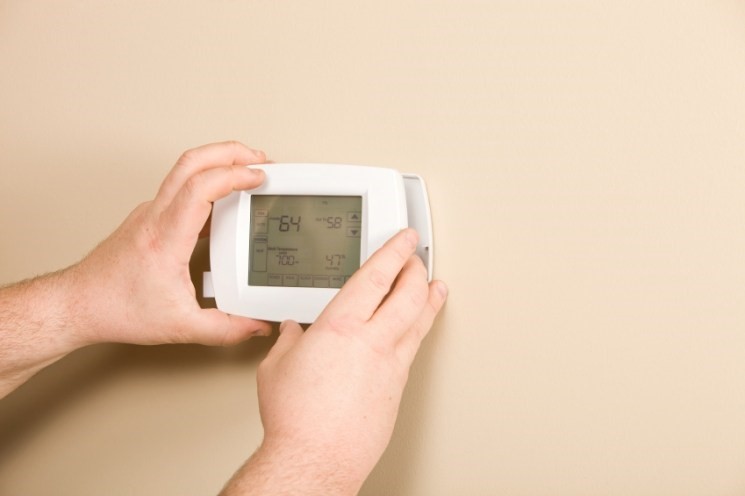
Figure 5. The smart thermostat should slide into the wall plate during installation. (Source: U.S. DOE.) Set-up the smart thermostat. The installer can assist the home owner with the following steps as needed.
- Setup of the smart thermostat will depend on the make and model. Be sure to read the manufacturer’s instructions prior to setup. The following steps are generalized.
- After attaching the smart thermostat to the base, it should power up. It may ask for confirmation of the proper wiring as its first prompt.
- Then, the smart thermostat may ask about the configuration of your heating and cooling equipment, including any accessories connected to the HVAC system (e.g., dehumidifier).
- Then, the smart thermostat may ask you a series of questions about your temperature preference.
- Next, it may ask whether you want to enable or disable certain features, such as smart home/away, which will adjust temperature settings based on whether you are home.
- Then, you will connect a mobile device to the smart thermostat through a WiFi connection. Using the smart thermostat, select the Wi-Fi name, enter the password, and then connect.
- Download the manufacturer or vendor’s app onto the mobile device. The smart thermostat may provide a registration code that will need to be entered into the app to register the mobile device with the smart thermostat so it can be controlled remotely.
- After your smart thermostat and app are setup, you should setup any remote sensors. Insert the appropriate batteries into the sensors, and then place or install the sensors in the locations that make the most sense for the intended purpose. The smart thermostat should automatically detect sensors once they’re energized.
- At the smart thermostat or on the app, select the modes in which the sensors should be active.
- Now the smart thermostat should be operable by your mobile device and receive input from its sensors.
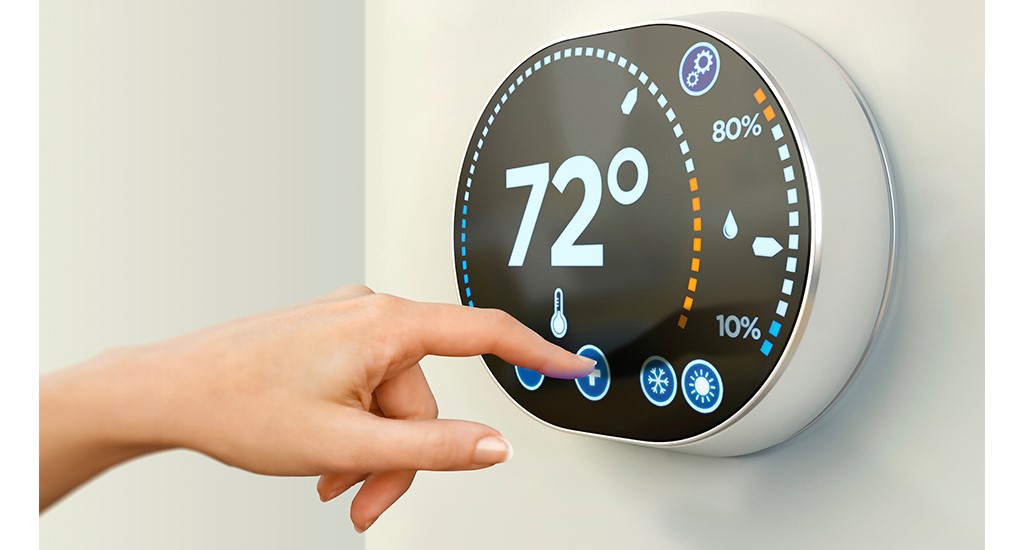
Figure 6. A smart thermostat will guide the user through setup. (Source: U.S. EPA.)
Ensuring Success
In homes with central HVAC equipment, a programmable thermostat should be installed. This thermostat should be tested by the HERS rater to ensure that the fan, cooling, and heating settings operate. Although ENERGY STAR Single-Family New Homes (Version 3.0, Rev. 11) no longer requires the thermostat to be tested by the HERS rater, testing by the HVAC contractor after installation is still a good idea as part of system commissioning. The installer should verify that the system comes on when set to on, and that heating and cooling occur when the system is set to heat or cool, the fan is set to auto, and the desired temperature setting is turned up or down 3 degrees past the ambient temperature.
In homes with a heat pump, the thermostat should be equipped with adaptive recovery technology.
Region
No climate-specific information applies.
Training
Right and Wrong Images
Source
Source
Presentations
Compliance
Retrofit
SCOPE
Replace a home's thermostat with a smart programmable thermostat for energy savings and better comfort control.
- Select an ENERGY STAR certified smart thermostat model.
- Remove and recycle the old thermostat.
- Install the new ENERGY STAR certified smart thermostat.
Please follow safe work practices as described in the U.S. Department of Energy’s Standard Work Specifications when replacing thermostats in single-family homes and multifamily homes.
DESCRIPTION
1. Help the homeowner to select an ENERGY STAR Certified Smart Thermostat.
- Before helping the homeowner choose a new smart thermostat, determine what type of heating and cooling equipment is in the home.
- The homeowner will want to choose a smart thermostat model that meets the needs of the household. The following criteria should be considered in the selection process: compatibility with heating and cooling equipment, time of day usage, occupancy sensing, outdoor temperature detection, humidity sensing, Geofencing, use of remote sensors, cost, and ease of set up.
- Either you or the homeowner should determine whether the existing thermostat has a four- or five-wire setup. Certain smart thermostat models require installation with the C wire (i.e., common wire) in a five-wire setup. The C wire provides continuous flow of power so certain features (e.g., LED display) function properly.
- See the ENERGY STAR Product Finder to find ENERGY STAR certified models.
- Check the Database of State Incentives for Renewables & Efficiency® or the ENERGY STAR Rebate Finder to determine whether there is a rebate or incentive available in your area.
2. Disconnect and Remove the Old Thermostat
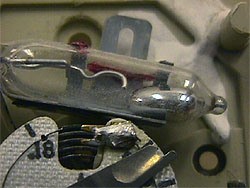
- Plan ahead when helping homeowners remove and recycle their old thermostats. Thermostats can contain metals (e.g., mercury) and parts that should be recycled. Many municipalities offer drop-off recycling service for thermostats. Thermostats can also be donated to charitable organizations or given to repair shops for spare parts.
- Shut off power to the thermostat, heating equipment, and cooling equipment at the breaker panel and place a piece of tape over the breaker switches to ensure no one turns them back on while you’re working. Use a circuit tester to ensure the wires are dead. Another option is to turn off the power to the whole house. Take the batteries out of the thermostat.
- Remove the old thermostat from the wall.
- Most thermostats slide upward from where they are attached to the wall.
- Loosen the screws that attach the wall plate to the wall.
- Some thermostats may have a base and sub-base, make sure to remove the entire thermostat from the wall.
- Before disconnecting the wires from the base, using a piece of tape, identify each wire with a letter, matching the letter of the connection to the thermostat base. For instance, if the blue wire was connected to thermostat connection B, write “B” on the tape and put it on the wire. In addition, label any wires that were loose/unconnected to the old thermostat. Consider taking a picture of the wires for reference later.
- Disconnect the wires from the base. Once you’re left with bare wires coming from a hole in the wall, check to see whether the wires are corroded. If there is enough wire length, re-strip the wires. Otherwise, scrape the ends with a utility knife until they are shiny.
See the Description tab for the remaining installation instructions.
COMPLIANCE
See Compliance tab.
More Info
References and Resources
*For non-dated media, such as websites, the date listed is the date accessed.
Contributors to this Guide
The following authors and organizations contributed to the content in this Guide.
Sales
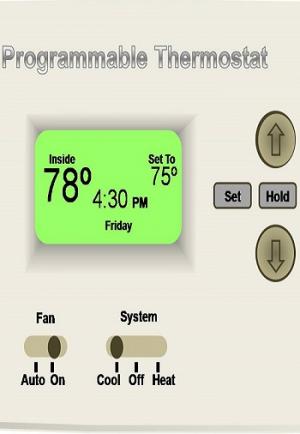
HVAC Controls/Programmable Thermostat = Advanced Comfort Control Technology
Technical Description
Homeowners with advanced comfort control technology are able to save energy and money by scheduling their comfort systems to cooler or warmer temperatures during winter and summer respectively when it won’t compromise comfort. This includes times of the day when nobody is home or at night when people are asleep. Newer “smart” thermostats have the ability to learn residents’ preferences and can be controlled from smart phones.
Questions? Comments? Contact our webmaster.