Scope

Intermittent supply and exhaust fans rated at ≤ 3 sones by manufacturer, unless rated flow ≥ 400 CFM


ENERGY STAR Single-Family New Homes, Version 3/3.1 (Rev. 11) requires that bathroom exhaust fans used as part of a whole-house mechanical ventilation system be ENERGY STAR qualified products.

  • ENERGY STAR exempts fans that have a rated flow of ≥ 500 CFM.

See the Compliance Tab for links to related codes and standards and voluntary federal energy-efficiency program requirements.

Description

To meet ASHRAE 62.2 ventilation requirements, the HVAC designer may specify that an exhaust fan should be set for continuous or intermittent, timed operation. In homes where the bathroom exhaust fan is used as part of a whole-house mechanical ventilation system, the bathroom fan to be installed should be a model that is ENERGY STAR qualified.

ENERGY STAR qualified ventilation fans must meet specifications ensuring higher energy efficiency with less noise. These models feature high-performance motors and improved blade design, providing better performance and longer life.

Fans exempted from this requirement include fans with a rated flow rate equal to or greater than 500 CFM, HVAC air handlers, and remote-mounted fans. To be considered for this exemption, a remote-mounted fan must be mounted outside the habitable spaces and bathrooms and hallways and there must be at least 4 feet of ductwork between the fan and intake grille.

For more on continuously operating exhaust fans and ASHRAE 62.2 requirements, see Intermittent Supply/Exhaust Fan Ratings and Continuous Supply/Exhaust Fan Ratings.

How to Select ENERGY STAR-Qualified Bathroom Fans

  1. When specifying and purchasing bathroom fans that will be part of the home’s whole house mechanical ventilation strategy, select fans that are ENERGY STAR qualifying.
  2. To identify ENERGY STAR qualifying exhaust fans:
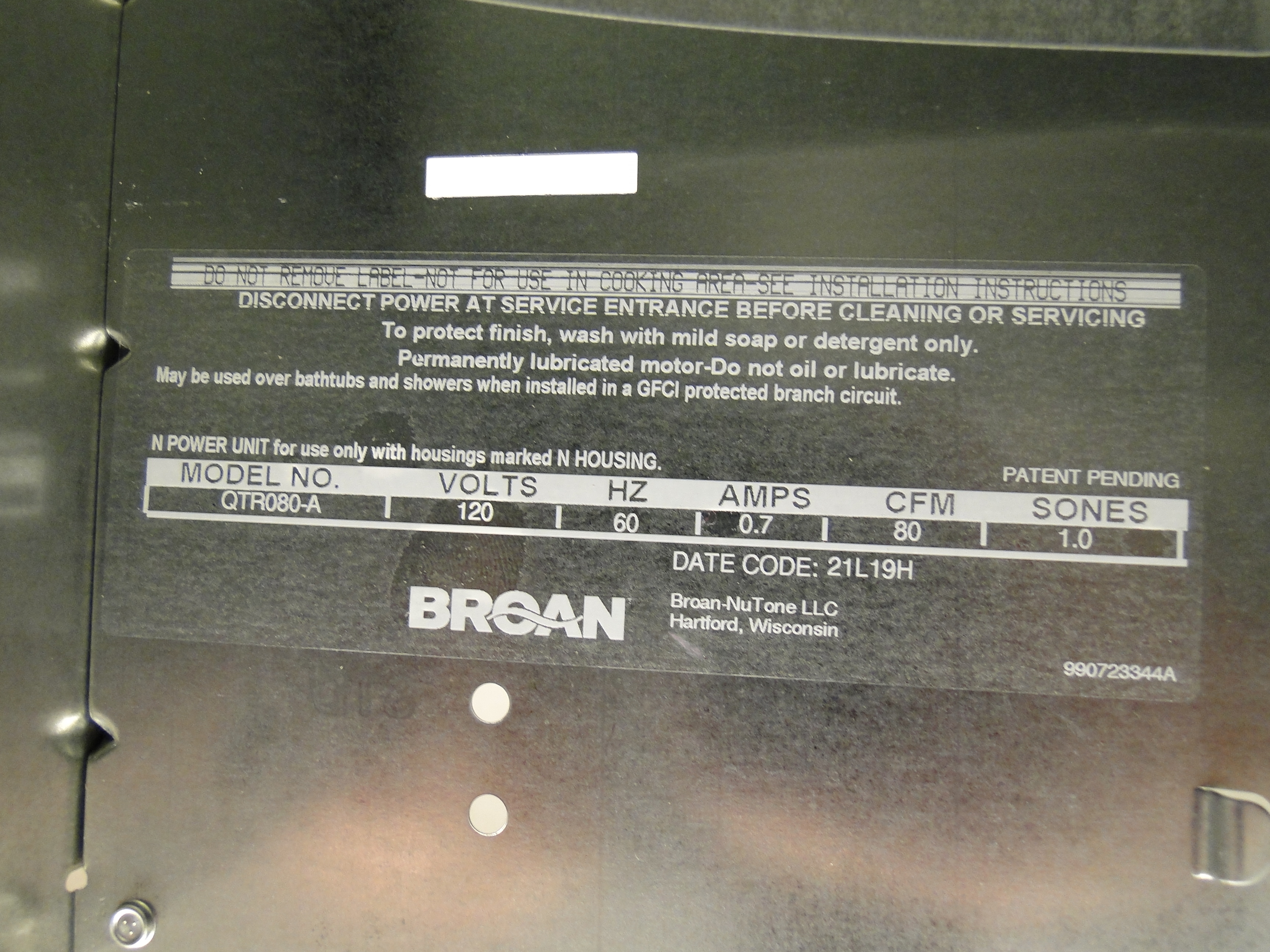
The manufacturer’s label found on this exhaust fan housing shows a sone rating of 1.0
Source
Courtesy Of
EPA
Figure 1. The manufacturer’s label found on the inside of this exhaust fan housing includes an ENERGY STAR label at the lower right, indicating that this fan is an ENERGY STAR qualifying model (Source: Courtesy of PNNL). 

Ensuring Success

In homes where the bathroom exhaust fan is used as part of a whole-house mechanical ventilation system, the HERS rater should inspect to ensure that the fan is ENERGY STAR qualified.

To meet the requirements of the DOE Zero Energy Ready Home program, all bathroom exhaust fans installed in the home must be ENERGY STAR qualified.

Region

No climate specific information applies.

Training

Right and Wrong Images
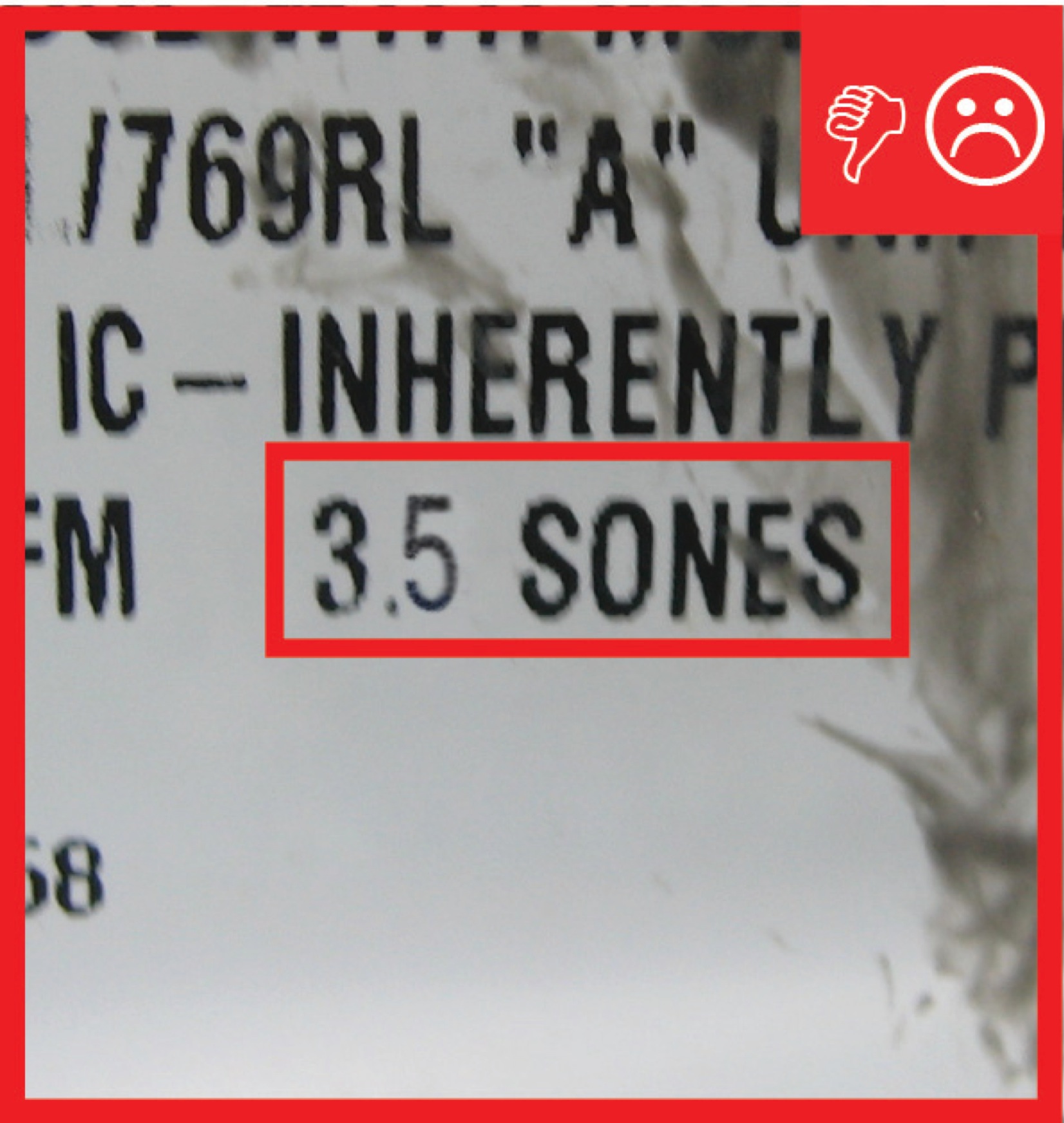
Sone rating is greater than 3.0
Source
Courtesy Of
EPA
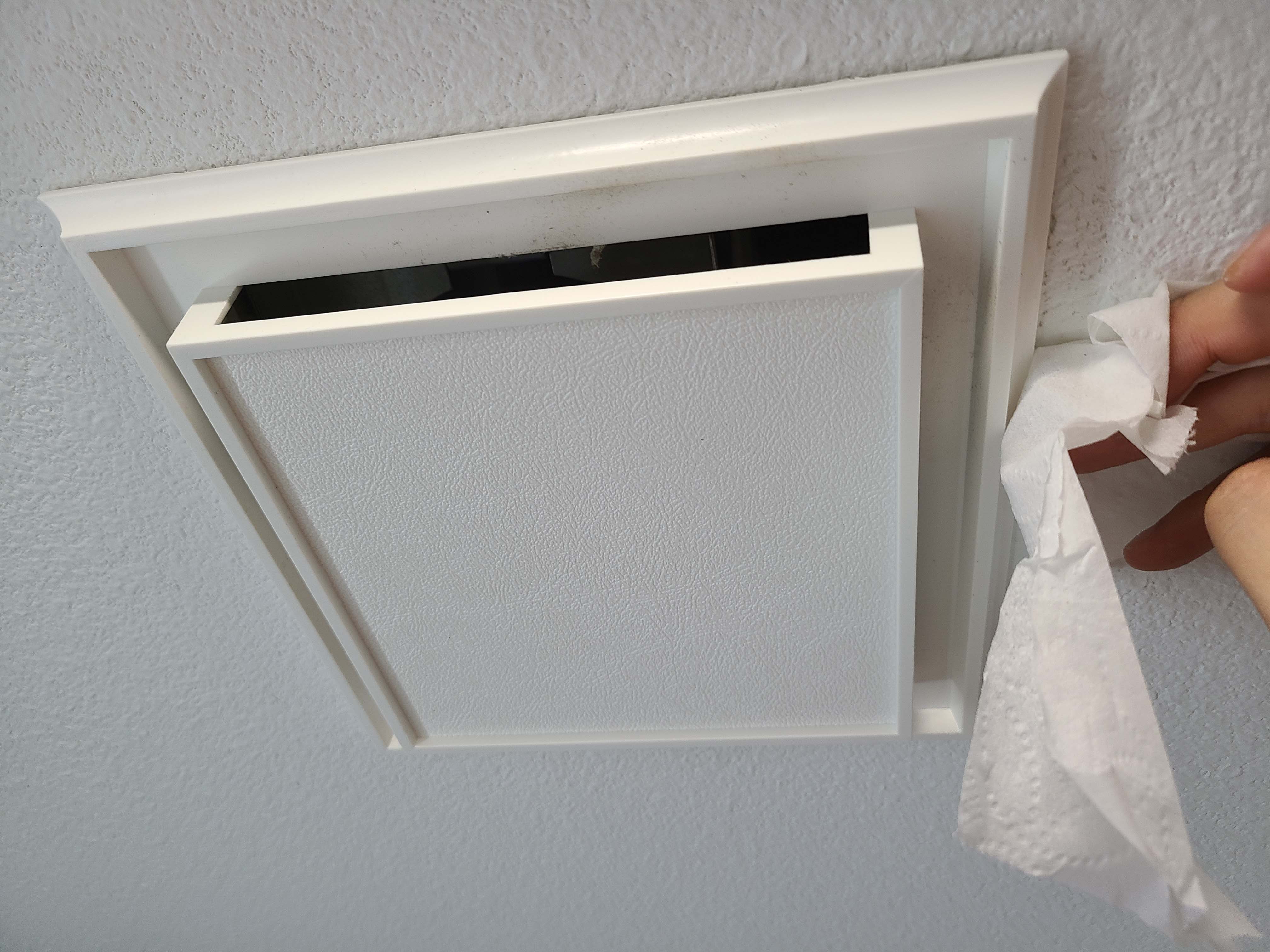
Wrong - Bathroom fan should have enough suction to hold a tissue.
Source

More Info

References and Resources

Publication Date
·
Author(s)
ENERGY STAR
·
Organization(s)
U.S. Department of Energy,
DOE,
ENERGY STAR
Description
Factsheet describing the benefits of purchasing and installing ENERGY STAR rated fans and ventilation products.

*For non-dated media, such as websites, the date listed is the date accessed.

Contributors to this Guide

The following authors and organizations contributed to the content in this Guide.

Last Updated

Questions? Comments? Contact our webmaster.

Disclaimer

This content is a work created with funding provided by the United States Department of Energy under Contract no DE-AC05-076RL01830 for the operation of Pacific Northwest National Laboratory. The information and guidance provided by Pacific Northwest National Laboratory (PNNL) in the content are intended solely for educational purposes only and do not constitute formal training or certification. It is provided with the explicit understanding that neither the United States Government nor the United States Department of Energy, nor the Contractor, nor any or their employees, nor any jurisdiction or organization that has cooperated in the development of these materials, makes any warranty, express or implied, or assumes any legal liability or responsibility for the accuracy, completeness, or usefulness or any information, apparatus, product, software, or process disclosed, or represents that its use would not infringe privately owned rights. Reference herein to any specific commercial product, process, or service by trade name, trademark, manufacturer, or otherwise does not constitute or imply its endorsement, recommendation, or favoring by the United States Government or any agency thereof, or Battelle Memorial Institute. The views and opinions of authors expressed herein do not necessarily state or reflect those of the United States Government or any agency thereof. Viewers assumes full responsibility for all actions that they may take from information provided in this content including ensuring the safety, code compliance, and proper functionality of any products they choose to install. Installation and use of such products should be performed in accordance with local regulations and manufacturer instructions.