An official website of the United States government
Here's how you know
Official websites use .gov
A .gov website belongs to an official government organization in the United States.
Secure .gov websites use HTTPS
A lock (
) or https:// means you’ve safely connected to the .gov website. Share sensitive information only on official, secure websites.
Video from LGL Archive Page (City of Lexington Kentucky) explaining the steps needed to take to ensure proper site drainage prior to new home construction.
Website containing resources from the nonprofit FLASH, which "is the country’s leading consumer advocate for strengthening homes and safeguarding families from natural and manmade disasters."
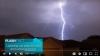
Video explaining the effects that lightning damage can have on a home and ways to make your home more resistant to lightning strikes per FLASH Strong Homes guidelines.
Video overviewing how to make a home flood resistant, meaning that they can be quickly restored to their original condition after a natural disaster. Recommendations from LSU AgCenter.
Video describing how wet floodproofing helps prevent flood damage by using four different design strategies; elevate, float, wet floodproof, and dry floodproof. Recommendations from the National Building Museum.
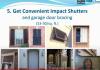
Video showing how to protect your home against both earthquakes and high winds and how similar design strategies can work for both events per FLASH Strong Homes guidelines.
Video interview explaining the use of Simpson Strong Tie connectors for making walls and roofs more disaster resistant at a price of under $10,000. Recommendations from FLASH Strong Homes program.
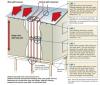
Fact sheet poster describing an online tool offered within the Building America Solution Center which provides construction guidance for builders and contractors in building and renovating homes to be more resistant to natural disasters such as hurricanes, flooding, earthquakes and wildfires, etc.
Report providing builders in marine climates with guidance for building homes that have whole-house energy savings of 40% over the Building America benchmark with no added overall costs for consumers.