Scope

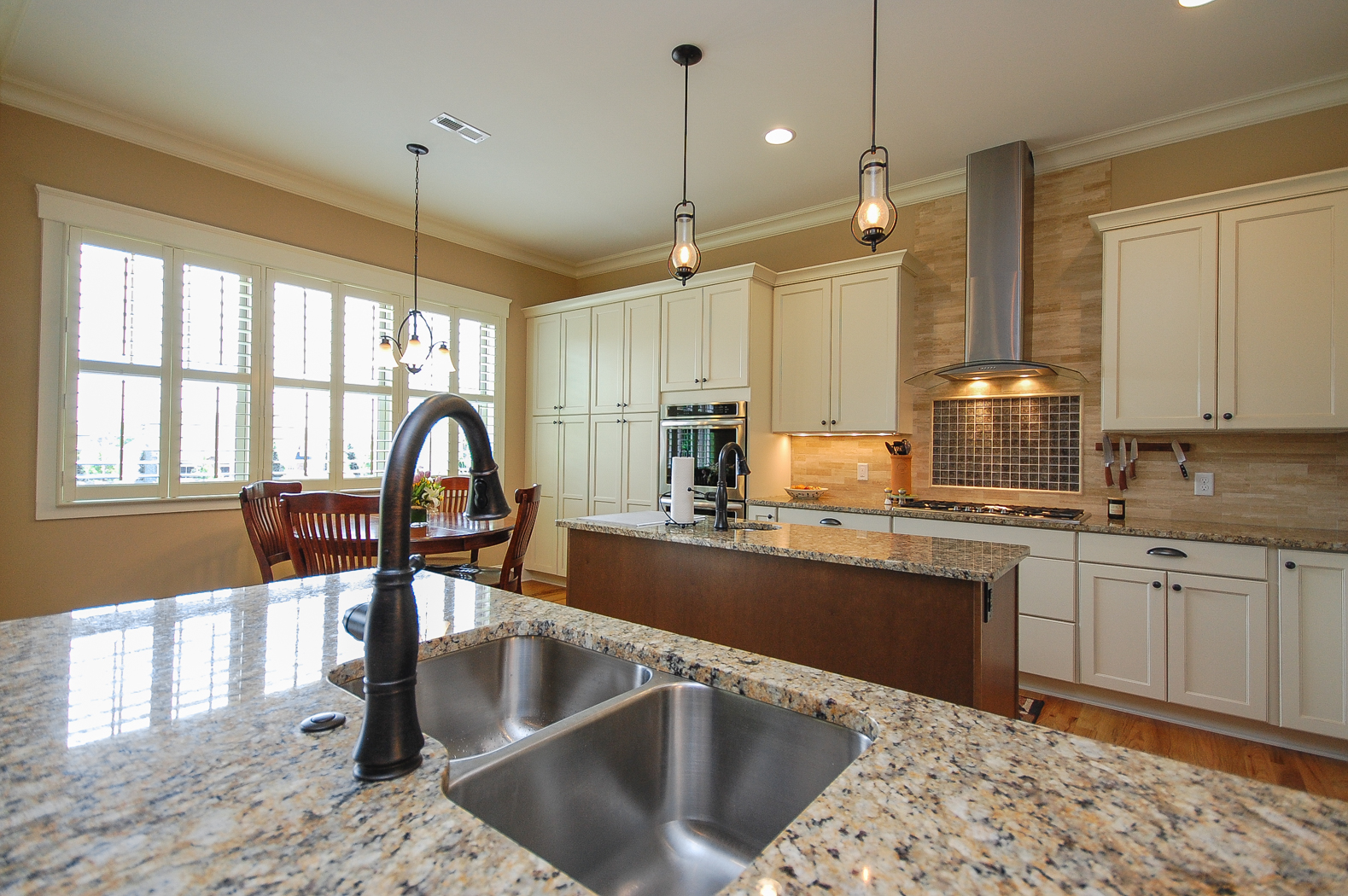
Low-flow water fixtures save energy and water in the kitchen and bath.

All kitchen faucet manufacturers are required by law to mark their products with the maximum flow rate. 

For homes seeking certification under EPA's WaterSense program:

All kitchen sink faucets shall comply with federal standards for a maximum flow rate of 2.2 gallons per minute (gpm) (8.3 lpm). A flow test does not exceed 0.4 gal.

See the Compliance Tab for links to related codes and standards and voluntary federal energy-efficiency program requirements.

Description

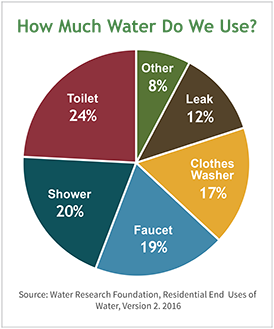
 Bathroom sink and kitchen sink faucets account for approximately 15.7 percent of indoor residential water use in the United States, or about 1.1 trillion gallons of water used each year across the country. The Energy Policy Act of 1992 originally set the maximum flow rate for both lavatory and kitchen faucets at 2.5 gpm at 80 psi static pressure. In 1994, ASME A112.18.1M-1994–Plumbing Supply Fittings set the maximum flow rate for lavatory (bathroom) faucets at 2.2 gpm at 60 psi. In response to industry requests for conformity with a single standard, in 1998, the U.S. Energy Department adopted the 2.2 gpm at 60 psi maximum flow rate standard for all faucets (both kitchen and bathroom). Other than this maximum flow rate standard, there currently are no universally accepted performance tests or specifications (i.e., rinsing or wetting performance standards) for faucets.
How Much Water Do We Use?
Source
Figure 1. Residential water use (Source: Courtesy of U.S. EPA WaterSense).

For homes seeking certification under EPA's WaterSense program, installing kitchen sink faucets that are rated for a maximum flow rate of 2.2 gallons per minute (gpm) may contribute to the 30% efficiency requirements under specific WACMs (WaterSense Approved Certification Methods). Although WaterSense does not currently label kitchen faucets, a kitchen faucet or faucet accessory marked as a 2.2-gpm fixture can contribute to the 30% efficiency requirement.
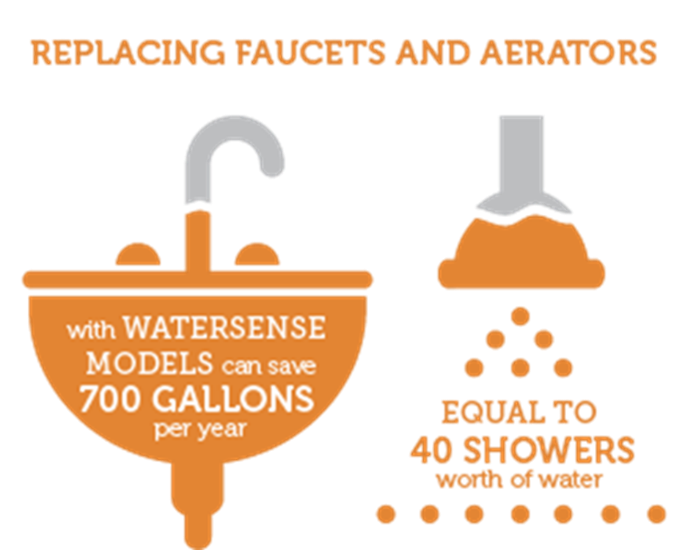
Replacing faucets and aerators with WaterSense models can save 700 gallons per year - equal to 40 showers worth of water.
Source
Figure 1. Replacing faucets and aerators with WaterSense models can save 700 gallons per year - equal to 40 showers worth of Water (Source: Courtest of U.S. EPA WaterSense)

Kitchen Sink Faucets are an Optional Measure for the EPA WaterSense Program

Since there is not a WaterSense label available for kitchen sink faucets, this specification relies on the current national standard for kitchen sink faucets--a maximum flow rate of 2.2 gpm (8.3 lpm) when tested at 60 psi (414kPa). There are many kitchen sink faucets available with maximum flow rates significantly less than 2.2 gpm (8.3 lpm). When installing these lower flow models, contractors must be mindful of the difference in use and user expectations between bathroom sink and kitchen faucets. The major drawback of reduced maximum flow rates for all faucets is increased wait times for hot water and the filling of pots or containers. Kitchen sinks are more commonly used for filling containers, and increased wait times might not be tolerated in the kitchen.

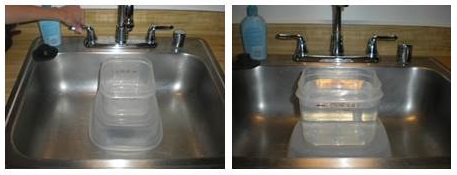
Third party verifiers will obtain a list of the make and model numbers for all bathroom sink faucets and faucet accessories installed in the home and verify that they have earned the WaterSense label. The verifier will also check the maximum flow rate from all bathroom sink faucets and kitchen sink faucets to ensure that the aerators have not been tampered with or removed. To conduct the test, the verifier will use a small bucket under or attach a flow-measuring bag to the faucet spout, turn on the water completely while starting a stopwatch and, after 10 seconds, turn off the water and check the volume of water collected. The volume of water should be 0.25 gallons or less for bathroom sinks and 0.4 gallons or less for kitchen sink faucets.

These criteria apply to all kitchen sink faucets including bar sinks. These criteria do not apply to pot-filling faucets, utility sink faucets, and laundry sinks.

All faucets and attachable accessories are required by the ASME/CSA performance standard to be marked with their maximum flow rate. Checking the faucet marking will indicate if a bathroom sink faucet meets the EPA WaterSense maximum flow rate, but not the minimum flow rate. To determine if the product meets all aspects of the WaterSense specification, look for the WaterSense label on the product packaging and documentation (the specification requires these materials to bear the Watersense label).

As with bathroom sink faucets, kitchen faucet manufacturers are required by law to mark their products with the maximum flow rate. Any faucet or faucet accessory marked as a 2.2 gpm fixture meets the requirements of this specification.

The WaterSense website also provides a listing of labeled faucets and accessories here.
 

Testing the flow rate of a kitchen sink faucet.
Source
Figure 2. Testing the flow rate of a kitchen sink faucet (Source: Courtesy of PNNL).

Ensuring Success

Install kitchen faucets marked as 2.2-gpm fixtures.

Region

No climate-specific information applies.

Training

Right and Wrong Images
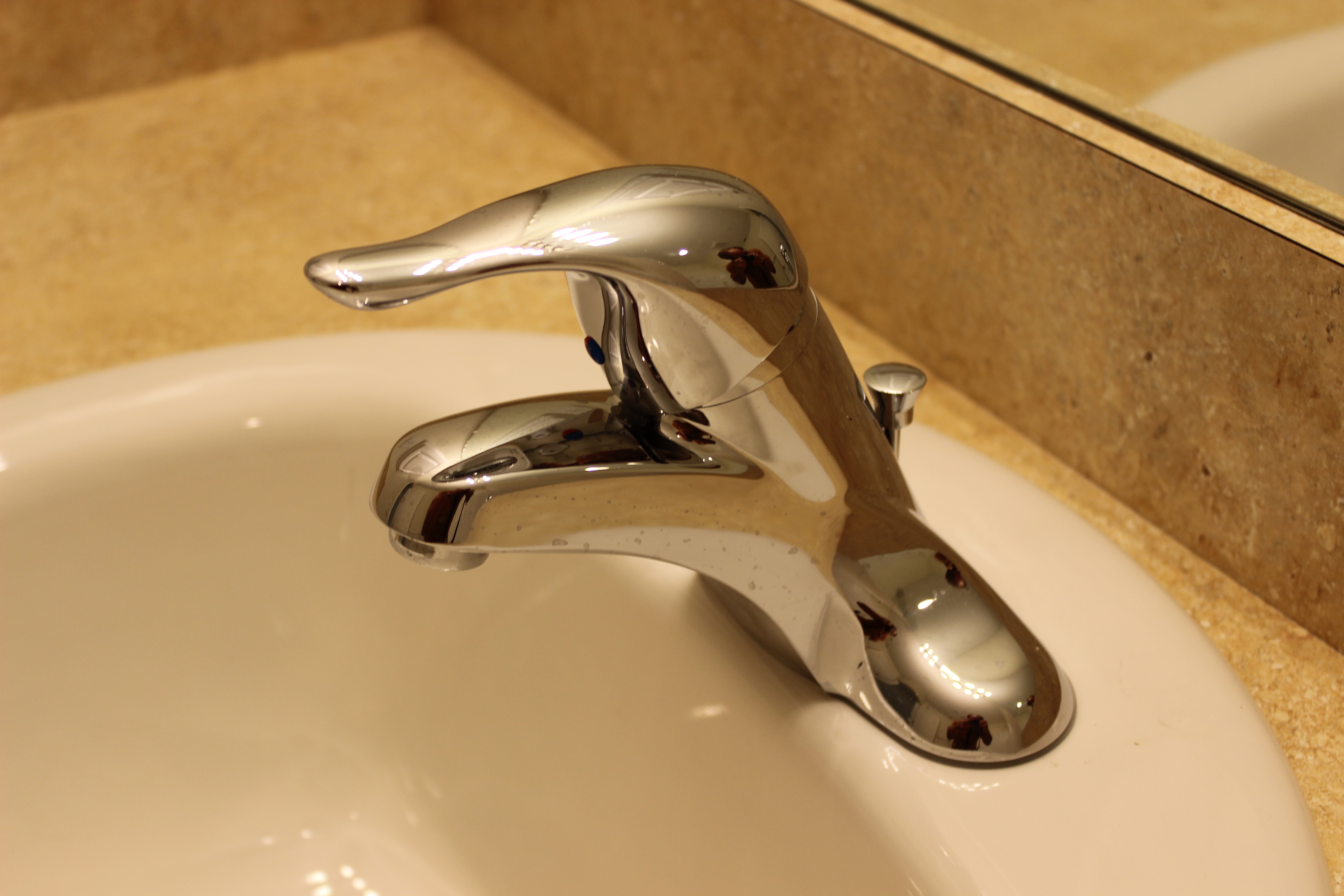
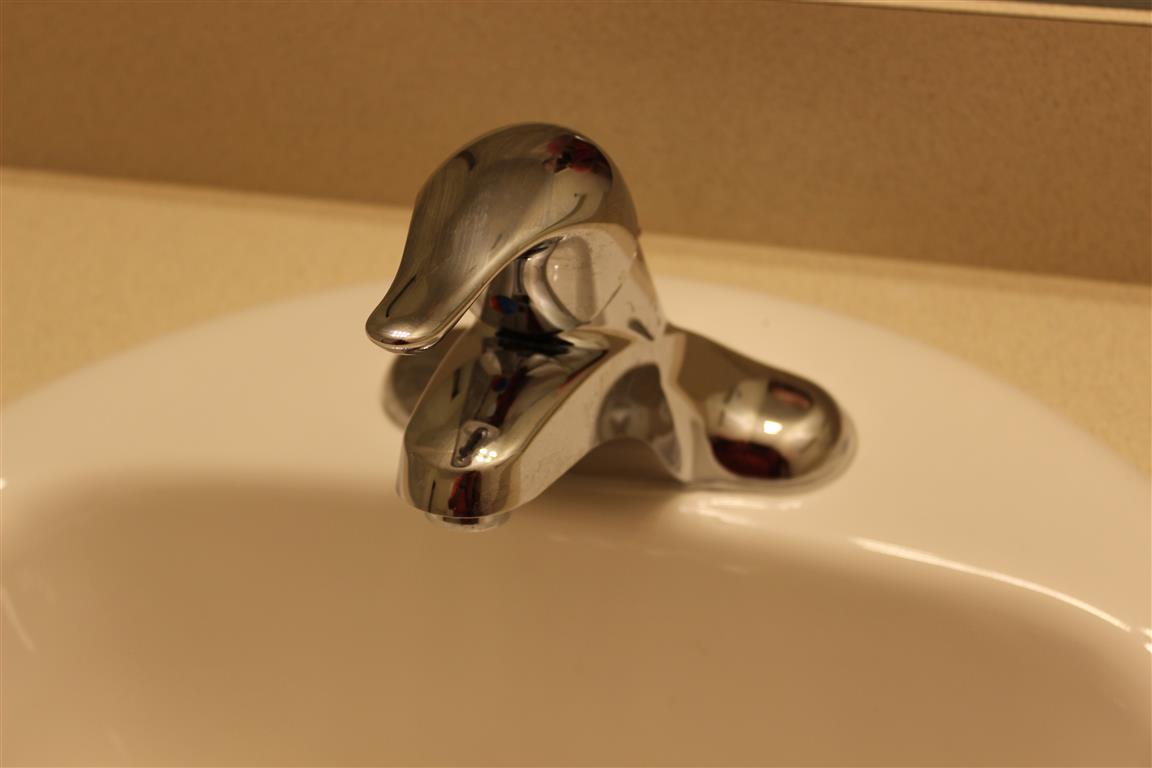
Right - EPA WaterSense-certified faucets help reduce water use.
Source
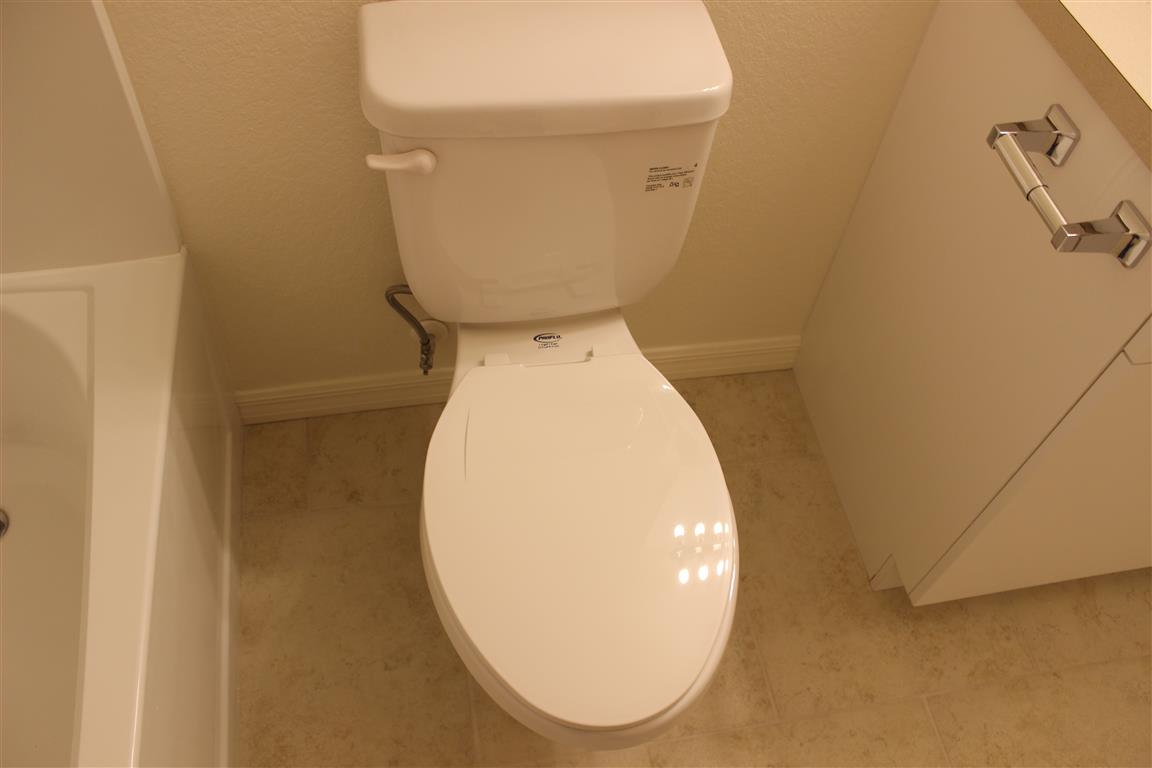
Right – EPA WaterSense rated toilets reduce water usage.
Source
Right – EPA WaterSense-rated faucets reduce water usage compared to standard bathroom faucets.
Source
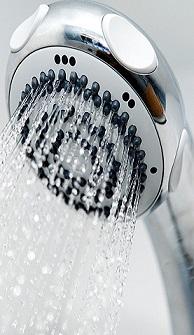
Right – EPA WaterSense-rated showerheads, faucets, and toilets contribute to both water and energy savings.
Source

Videos

Retrofit

For more information. see the U.S. Department of Energy's Standard Work Specifications regarding Water Use Reduction.

More Info

References and Resources

Publication Date
·
Author(s)
U.S. Environmental Protection Agency,
WaterSense
·
Organization(s)
EPA,
WaterSense
Description
Brochure providing information for homeowners, builders, verifiers, and facilities including an overview of program criteria, the certification process, and EPA-approved home certification organizations for water-efficient homes under the U.S. Environmental Protection Agency's (EPA's) WaterSense...
Publication Date
·
Author(s)
U.S. Environmental Protection Agency,
WaterSense
·
Organization(s)
EPA,
WaterSense
Description
Webpage describing specification requirements including checklist that establishes the criteria for water-efficient homes under the U.S. Environmental Protection Agency's (EPA's) WaterSense program.
Publication Date
·
Author(s)
U.S. Environmental Protection Agency,
WaterSense
·
Organization(s)
EPA,
WaterSense
Description
Website providing a description of the WaterSense labeled homes program and a checklist of mandatory requirements for homes to be labeled under the U.S. Environmental Protection Agency's (EPA's) WaterSense program, Version 2.0.
Publication Date
·
Author(s)
U.S. Environmental Protection Agency,
WaterSense
·
Organization(s)
EPA,
WaterSense
Description
Webpage from U.S. Environmental Protection Agency describing the EPA WaterSense program including the Mandatory Checklist for WaterSense Labeled Homes, information on how to get certified, and information on finding or becoming a WaterSense Home Certifying Organization.
Publication Date
·
Author(s)
U.S. Environmental Protection Agency,
WaterSense
·
Organization(s)
EPA,
WaterSense
Description
Resource that provides a directory of individuals that have successfully completed all requirements of at least one WaterSense Approved Certification Method (WACM) through a Home Certification Organization (HCO).
Publication Date
·
Author(s)
U.S. Environmental Protection Agency
·
Organization(s)
EPA
Description
Website providing lists of WaterSense-qualified products for home plumbing and irrigation equipment that meet the requirements of the U.S. Environmental Protection Agency’s (EPA’s) WaterSense program.
Publication Date
·
Author(s)
EPA
·
Organization(s)
U.S. Environmental Protection Agency
Description
Resource that provides a directory of individuals that have sucessfully completed all requirements of at least one WaterSense labeled professional certification program.

*For non-dated media, such as websites, the date listed is the date accessed.

Contributors to this Guide

The following authors and organizations contributed to the content in this Guide.

Sales

Building Science-to-Sales Translator

Low Flow Fixtures

Image(s)

Technical Description

Water-conserving fixtures reduce water usage and the amount of energy needed to heat that water. Faucets and showerheads are designed to save water but provide the same experience as typical fixtures. The WaterSense label (from the U.S. Environmental Protection Agency) takes the guesswork out of choosing the right fixture.

Last Updated

Questions? Comments? Contact our webmaster.

Disclaimer

This content is a work created with funding provided by the United States Department of Energy under Contract no DE-AC05-076RL01830 for the operation of Pacific Northwest National Laboratory. The information and guidance provided by Pacific Northwest National Laboratory (PNNL) in the content are intended solely for educational purposes only and do not constitute formal training or certification. It is provided with the explicit understanding that neither the United States Government nor the United States Department of Energy, nor the Contractor, nor any or their employees, nor any jurisdiction or organization that has cooperated in the development of these materials, makes any warranty, express or implied, or assumes any legal liability or responsibility for the accuracy, completeness, or usefulness or any information, apparatus, product, software, or process disclosed, or represents that its use would not infringe privately owned rights. Reference herein to any specific commercial product, process, or service by trade name, trademark, manufacturer, or otherwise does not constitute or imply its endorsement, recommendation, or favoring by the United States Government or any agency thereof, or Battelle Memorial Institute. The views and opinions of authors expressed herein do not necessarily state or reflect those of the United States Government or any agency thereof. Viewers assumes full responsibility for all actions that they may take from information provided in this content including ensuring the safety, code compliance, and proper functionality of any products they choose to install. Installation and use of such products should be performed in accordance with local regulations and manufacturer instructions.