An official website of the United States government
Here's how you know
Official websites use .gov
A .gov website belongs to an official government organization in the United States.
Secure .gov websites use HTTPS
A lock (
) or https:// means you’ve safely connected to the .gov website. Share sensitive information only on official, secure websites.
A website providing a checklist of important areas to check when sealing holes inside and outside of the home to prevent entry by rodents and other outside pests.
The purpose for this document is to provide basic guidance on the use of proven installation techniques that can be used by installers to help ensure correct “dense pack” application of JM Spider® in drill & fill applications.
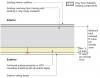
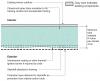
Standard providing information about self-adhered sheet air barriers located in the non-accessible part of the wall and materials to bridge and seal air leakage pathways and gaps.
Website describing Minnesota Power’s New Construction Energy Efficiency program that promotes building practices and technologies that enhance new residential construction.
Guide describing how to insulate a floor overhang (or cantilever) on an existing home by adding insulation and an air barrier to air seal the floor joist bays under the cantilever.
Video describing traditional 2x4 16 inch on center framing versus advanced framing with 2x6 stud walls at 24 inch on center, insulated corners and headers, wall stud-ceiling joist alignment, etc. providing a strong wall with more room for insulation.
Webinar from Tom Patton of Fox Blocks on how changes to building codes are driving changes to framing assemblies and insulation, highlighting how ICFs can take over for traditional wood frame wall assemblies. Free EEBA login required.
Document providing background and approach for the prep work necessary prior to adding attic insulation - focusing on combustion safety, ventilation for indoor air quality, and attic ventilation for durability.