Materials Cost: FREE
Difficulty Level: 1

Introduction

Clean the air filters in your ductless heat pumps every 3 months to ensure proper operation. 

Why

Ductless heat pumps have air filters that need to be checked, removed, cleaned, and re-installed approximately every three months. If the air filters aren’t cleaned, they can become clogged with dust, restricting air flow, reducing the performance and efficiency of the heat pump and in some cases causing the heat pump to shut off until the filters are cleaned.  

What You'll Need

  • A step stool or ladder to get good access to the ductless heat pump
  • A vacuum cleaner with hose extension and brush attachment
  • A sink, dish soap, warm water, a sponge and/or a soft-bristle brush if there is greasy accumulation on the filters.

1. Turn off the heat pump.

You can turn off the heat pump at the thermostat or by using the heat pump’s remote controller (Figure 1).
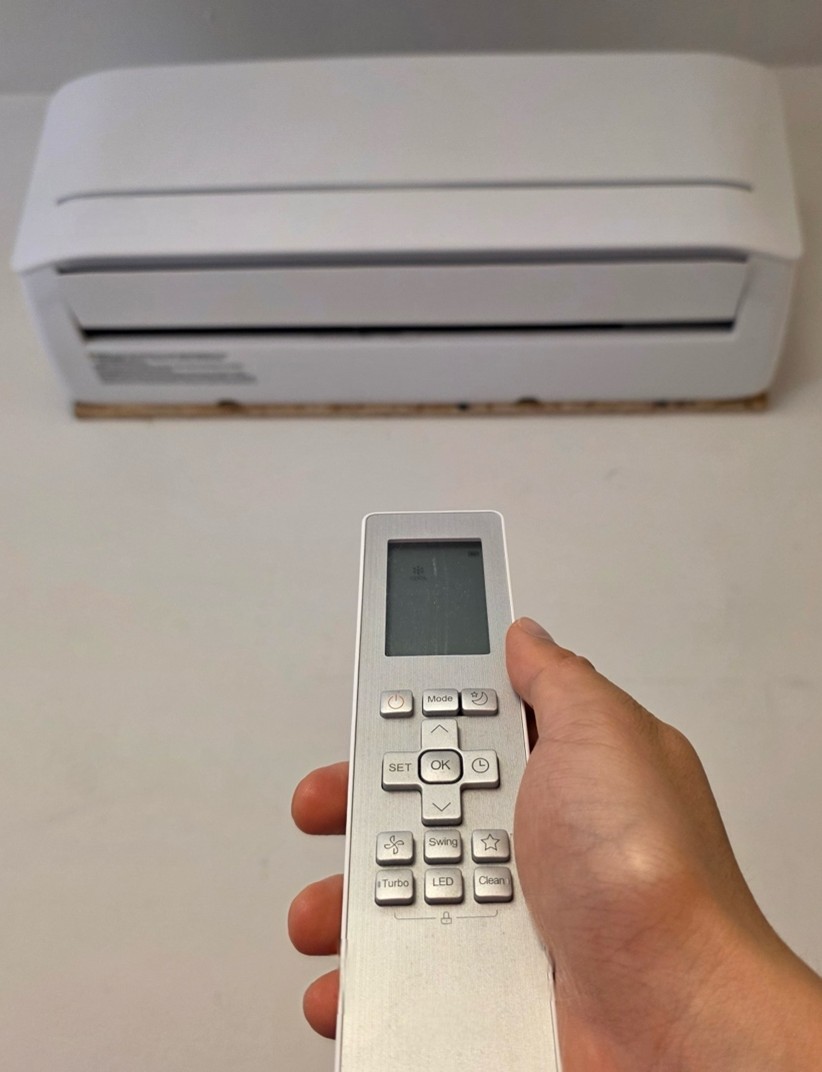
Use the remote control or your thermostat to turn off the heat pumps
Source
Figure 1. Use the remote control or your thermostat to turn off the heat pumps (Source PNNL)

2. Find the filters.

Consult the heat pump user manual for where the filter is located and how to open the cover. For most wall-mounted ductless heat pumps, the plastic housing of the heat pump includes a hinged front panel that lifts out and up to a locked open position (Figure 2). The air filters are usually located just below the cover (Figure 3). On some ductless heat pump models, the air filters are located on top of the unit and are held in place by magnets. Use a step stool or ladder for easier access. 
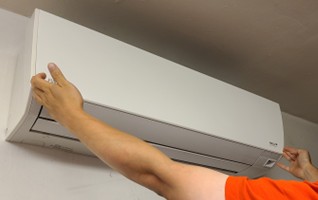
Most ductless heat pumps have a hinged front panel that lifts out and up for access to the air filters
Source
Figure 2. Most ductless heat pumps have a hinged front panel that lifts out and up for access to the air filters (Source PNNL).
In this ductless heat pump model, the air filters are located behind the hinged front panel
Source
Figure 3. In this ductless heat pump model, the air filters are located behind the hinged front panel (Source: PNNL).
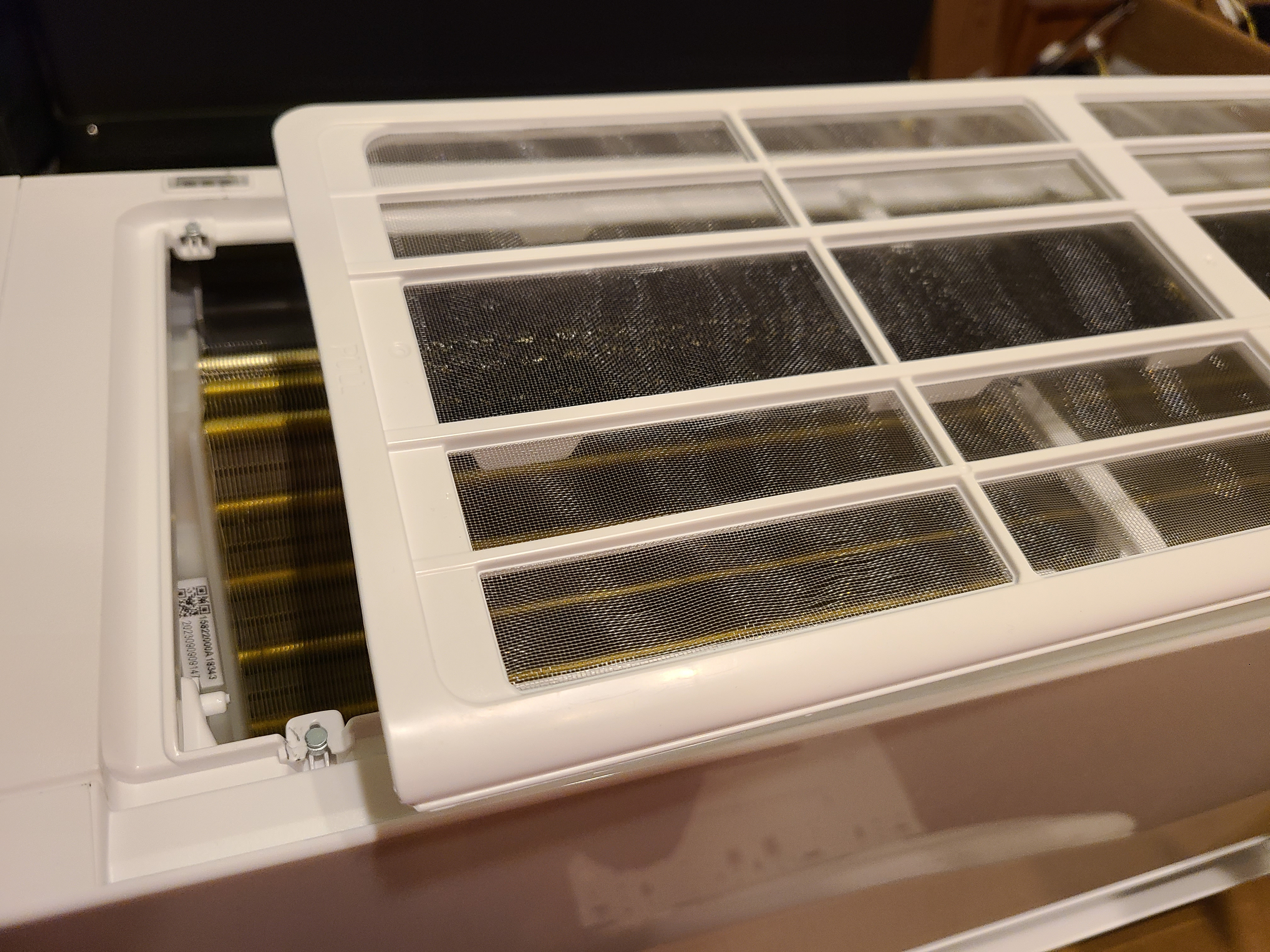
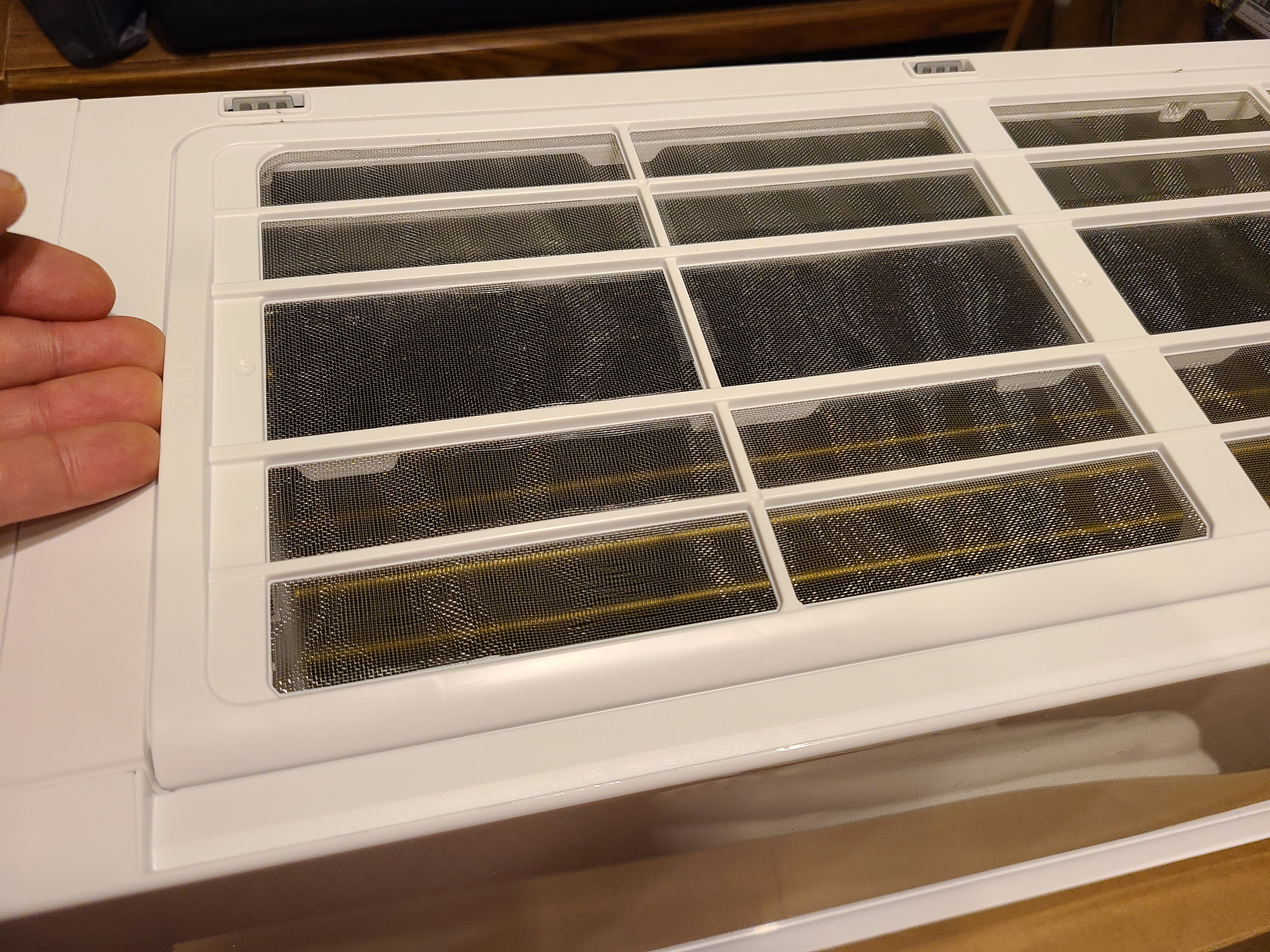
On some ductless heat pumps, the filter is located on top of the indoor unit and is held in place with magnets
Source
Figure 4. On some ductless heat pumps, the filter is located on top of the indoor unit and is held in place with magnets (Source: PNNL).

3. Remove the filters.

Gently slide the filters out of their tracks or clips (Figure 5) or lift them from the magnets (Figure 6). 
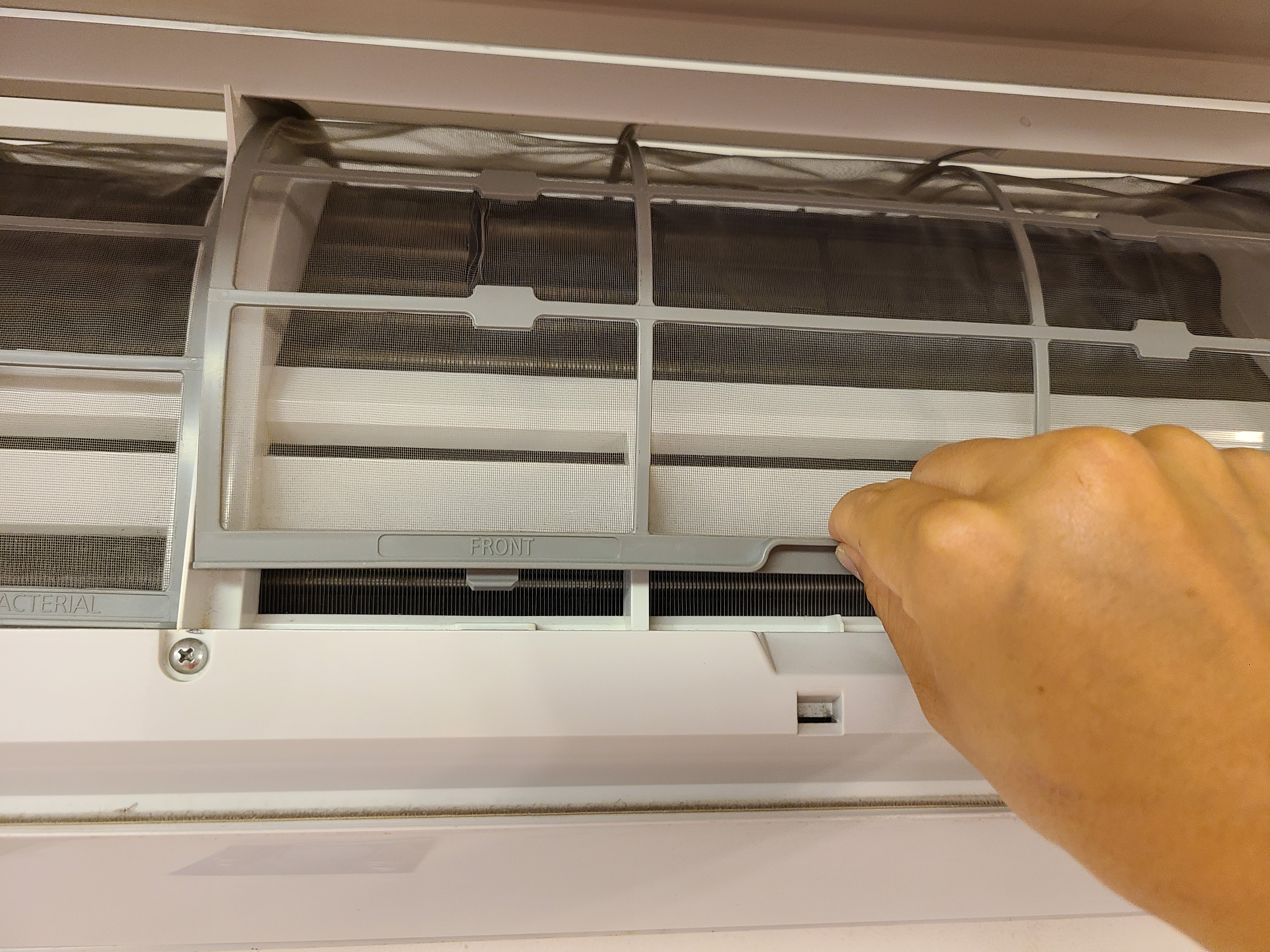
On this ductless heat pump model, the air filters are lifted up and slid out of their tracks for cleaning
Source
Figure 5. On this ductless heat pump model, the air filters are lifted up and slid out of their tracks for cleaning (Source: PNNL).
On this ductless heat pump model, lift up the air filters located on top of the air handler unit to disconnect them from the magnets holding them in place to remove the filters for cleaning
Source
Figure 6. On this ductless heat pump model, lift up the air filters located on top of the air handler unit to disconnect them from the magnets holding them in place to remove the filters for cleaning (Source: PNNL).

4. Vacuum the air filters.

Bring the filter down to the ground where it is safer and easier to clean and thoroughly vacuum the dust from the air filter(s) using the vacuum’s brush attachment (Figures 7 and 8). If the filters are sticky or discolored, they can be washed with warm soapy water. Let the filters dry before re-installing them.
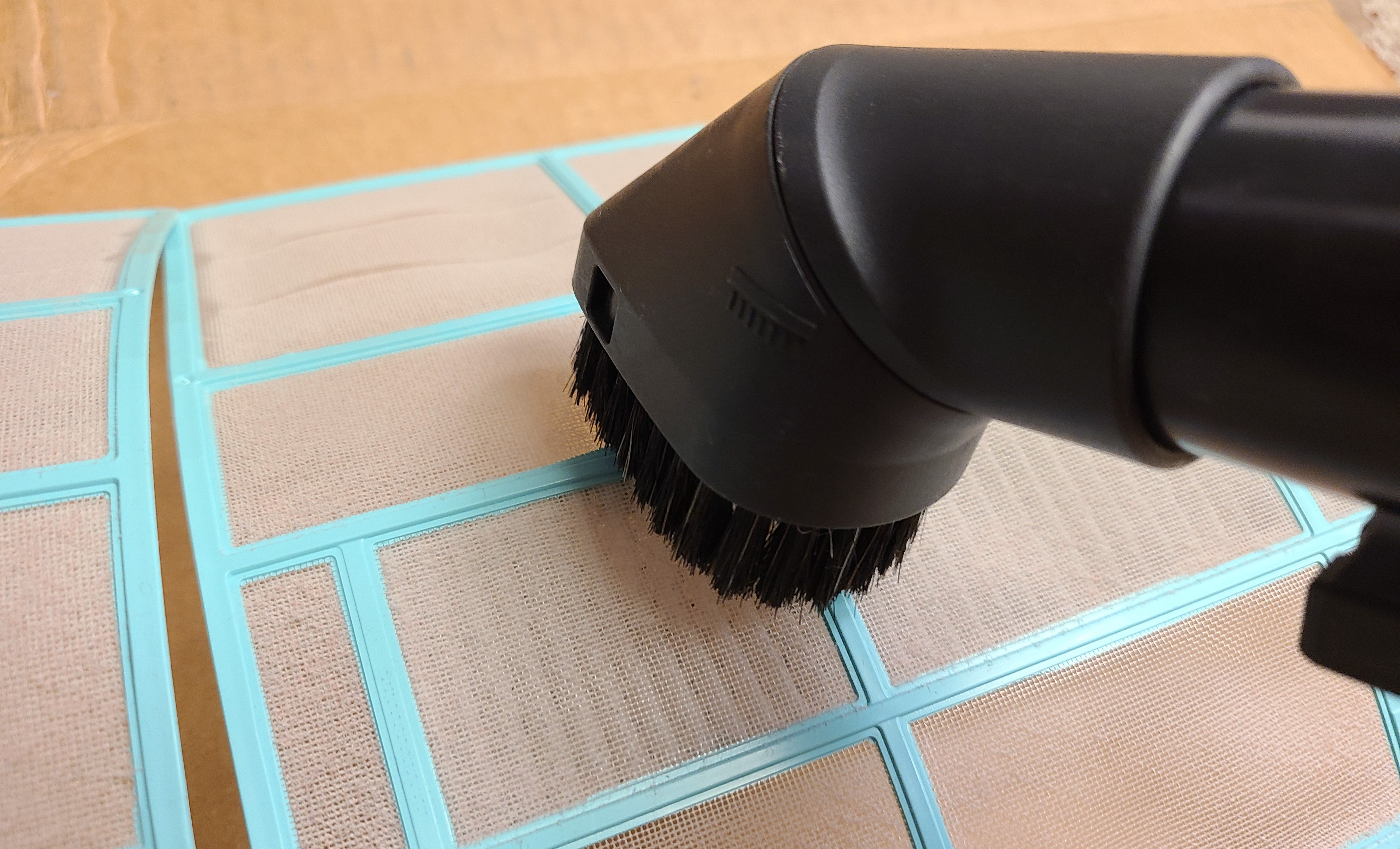
Use a vacuum cleaner to clean the dust out of the reusable air filters of your ductless heat pump
Source
Figure 7. Use a vacuum cleaner to clean the dust out of the reusable air filters of your ductless heat pump (Source: PNNL).
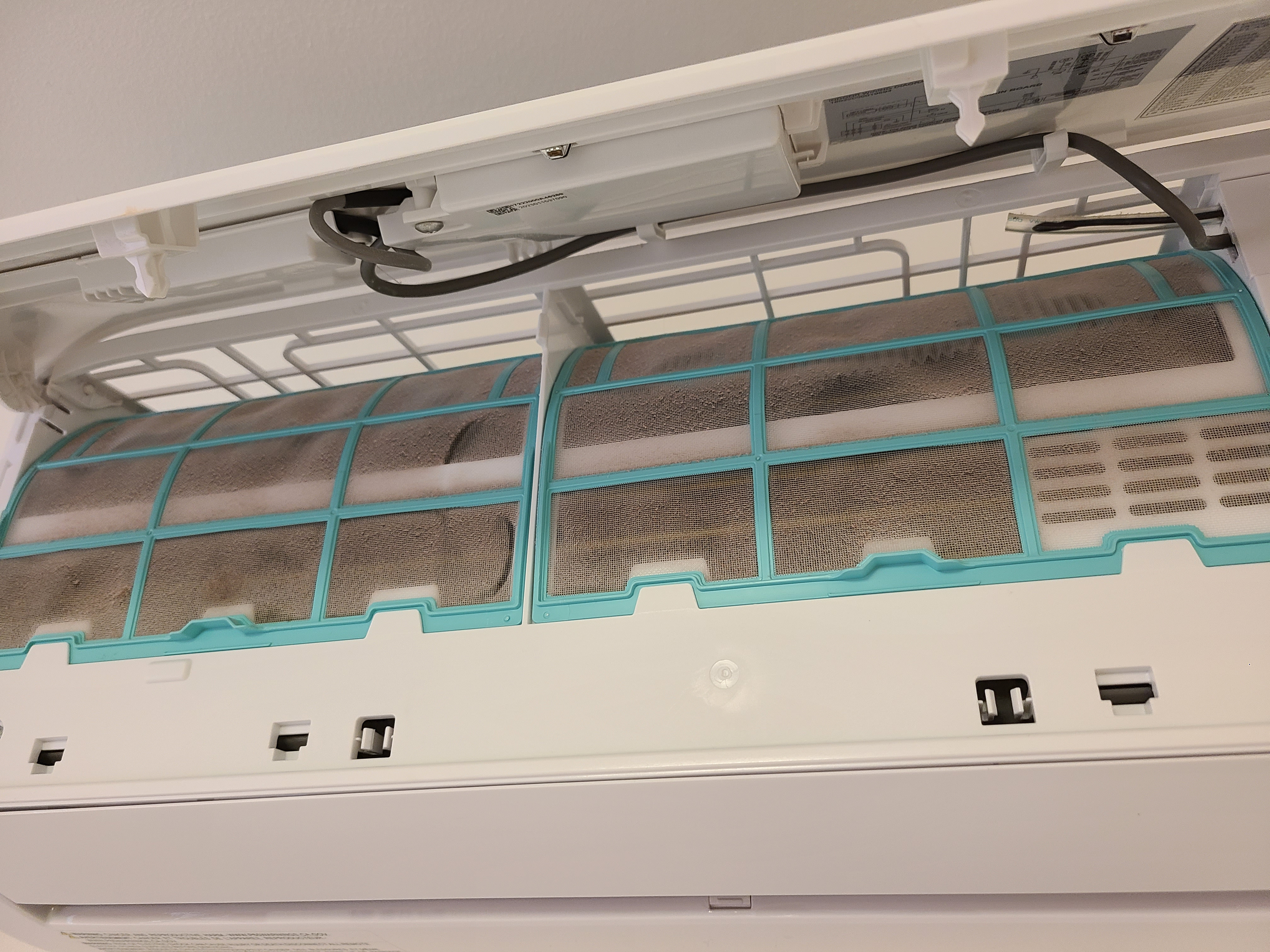
When a minisplit heat pump’s air filters get this clogged, air cannot flow through the filters and the heat pump may stop running until the filters are cleaned
Source
Figure 8. When a mini-split heat pump’s air filters get this clogged, air cannot flow through the filters and the heat pump may stop running until the filters are cleaned (Source: PNNL).

5. Re-install the air filters.

Carefully re-install the cleaned air filters (Figure 9) and re-set the heat pump to the desired settings.
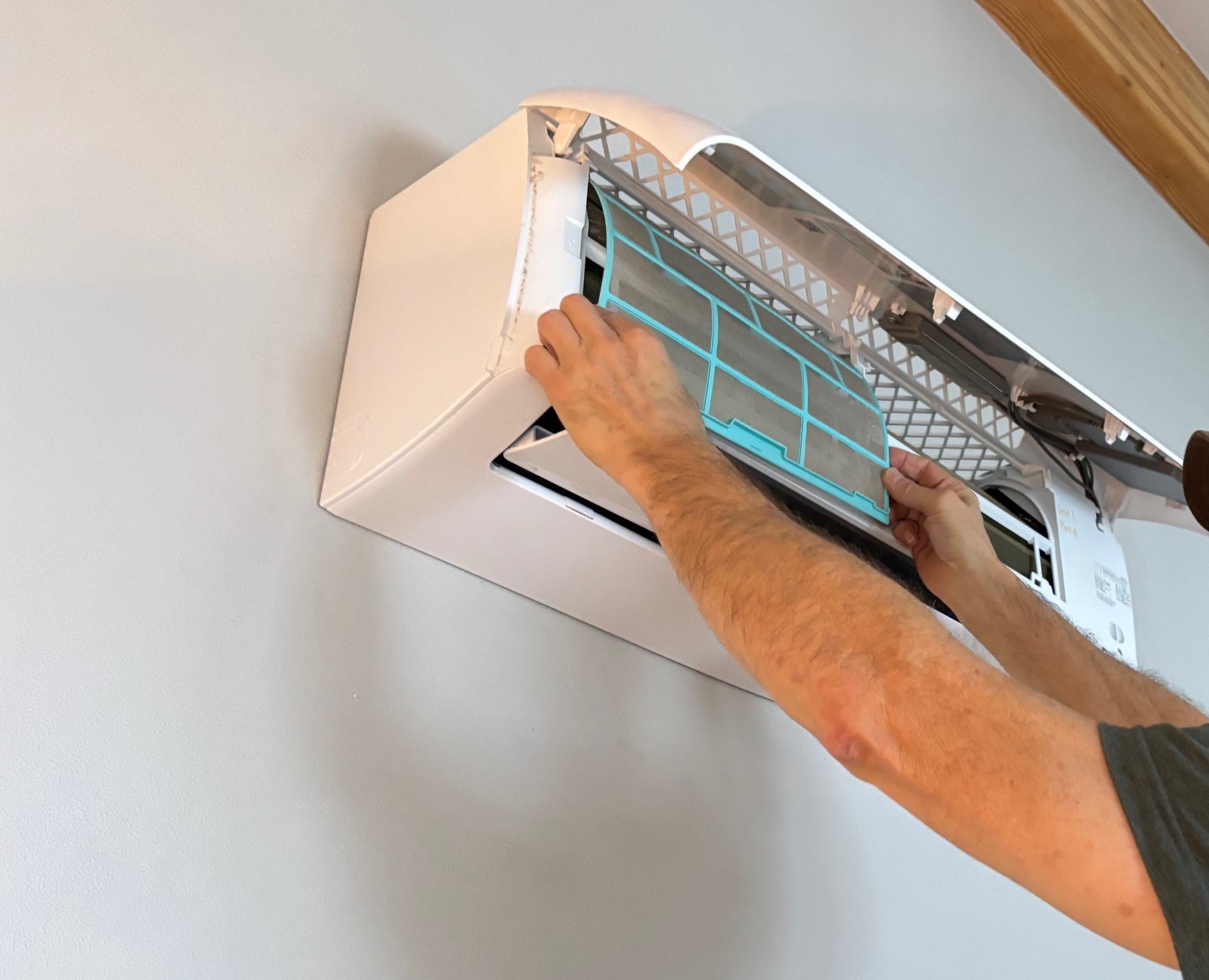
After cleaning the minisplit heat pump’s air filters, re-install the filters and turn the heat pump back on
Source
Figure 9. After cleaning the mini-split heat pump’s air filters, re-install the filters and turn the heat pump back on (Source: PNNL).

Additional Info

Last Updated

Related Guides

Disclaimer

This content is a work created with funding provided by the United States Department of Energy under Contract no DE-AC05-076RL01830 for the operation of Pacific Northwest National Laboratory. The information and guidance provided by Pacific Northwest National Laboratory (PNNL) in the content are intended solely for educational purposes only and do not constitute formal training or certification. It is provided with the explicit understanding that neither the United States Government nor the United States Department of Energy, nor the Contractor, nor any or their employees, nor any jurisdiction or organization that has cooperated in the development of these materials, makes any warranty, express or implied, or assumes any legal liability or responsibility for the accuracy, completeness, or usefulness or any information, apparatus, product, software, or process disclosed, or represents that its use would not infringe privately owned rights. Reference herein to any specific commercial product, process, or service by trade name, trademark, manufacturer, or otherwise does not constitute or imply its endorsement, recommendation, or favoring by the United States Government or any agency thereof, or Battelle Memorial Institute. The views and opinions of authors expressed herein do not necessarily state or reflect those of the United States Government or any agency thereof. Viewers assumes full responsibility for all actions that they may take from information provided in this content including ensuring the safety, code compliance, and proper functionality of any products they choose to install. Installation and use of such products should be performed in accordance with local regulations and manufacturer instructions.