Scope

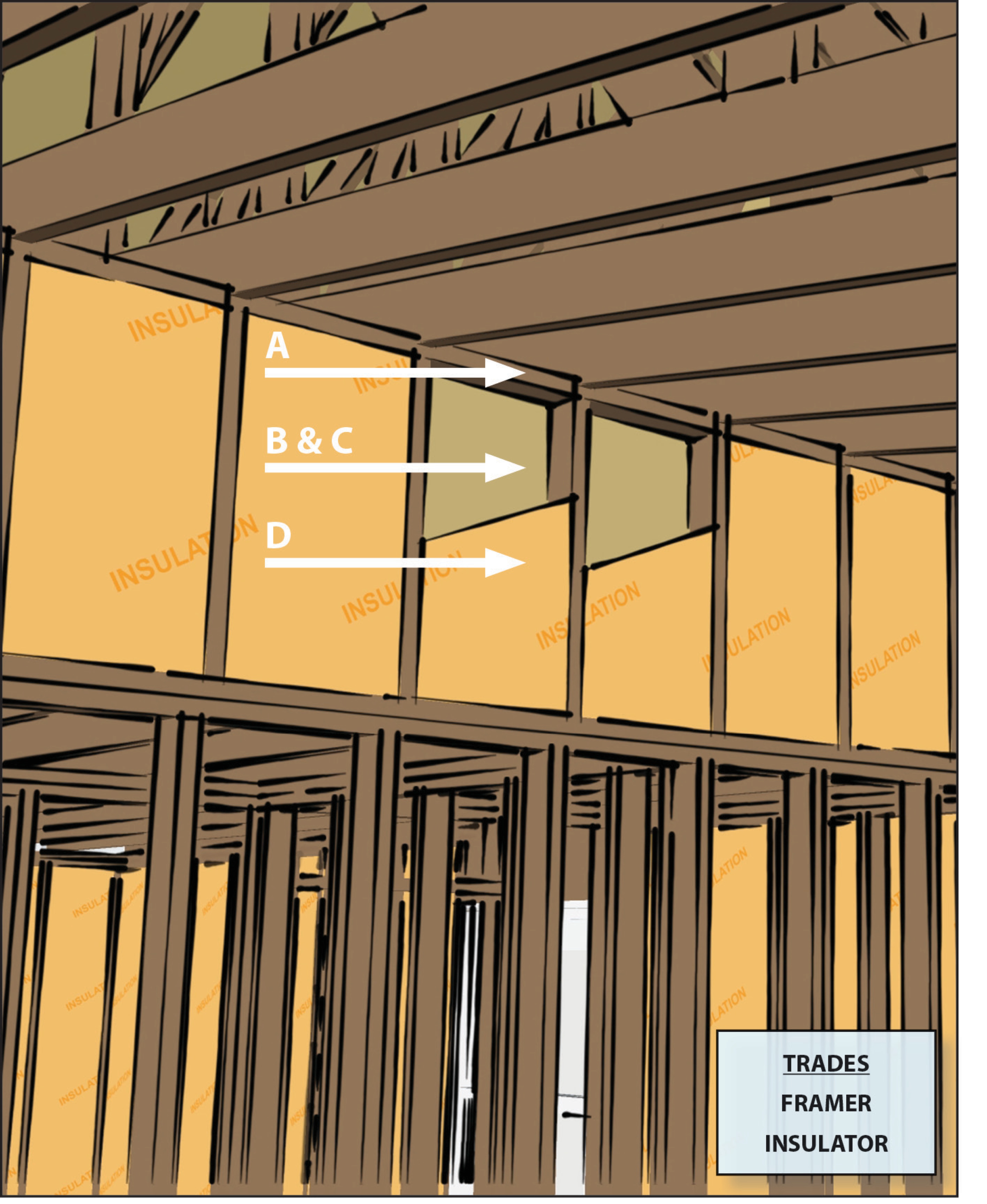
Install an air barrier on the exterior of attic knee wall insulation.

Ensure proper air sealing and insulation of attic knee walls.

  • Install a top and bottom plate or blocking at the top and bottom of all knee wall cavities.
  • Install insulation without misalignments, compressions, gaps, or voids in all knee wall cavities.
  • Install a continuous air barrier on the exterior side of the attic knee wall framing with a rigid air barrier or other supporting material to prevent the knee wall cavity insulation from sagging and to create a continuous thermal barrier. Rigid air barrier material could include rigid foam insulation, drywall, plywood, or OSB, among others.
  • Seal all seams, gaps, and holes in the air barrier with caulk or foam. 
  • If spray foam is used for the wall cavity insulation, the spray foam can serve as the air barrier if it is at least 5.5 inches thick if open-cell or at least 1.5 inches thick if closed-cell.  
  • Install blocking in the joist bays below the knee walls to prevent air flow under the knee walls. 

See the Compliance Tab for links to related codes and standards and voluntary federal energy-efficiency program requirements.

Description

Knee walls, the walls that separate conditioned from unconditioned space in an attic, can be a source of significant air leakage if a continuous air barrier is not provided to prevent unconditioned air from flowing under the knee wall and under the floor boards of the attic room. There are two ways to block this air flow:

1) Install a continuous air barrier on the exterior of the knee wall framing from the top of the knee wall down to the attic floor, including the spaces between the attic floor joists from the bottom of the knee wall to the ceiling deck below, or

2) Install a continuous air barrier along the underside of the attic roofline from the top of the knee wall to the top plate of the home’s exterior wall.

With either method, the air barrier should be installed before installing the attic floor insulation in the unconditioned portion of the attic.

An air barrier is defined as any durable, solid material that blocks air flow between conditioned space and unconditioned space. It should include the air sealing necessary to stop air flow at the edges and seams and adequate support to resist positive and negative pressures without displacement or damage (ENERGY STAR). Air barrier material can include thin sheet goods such as rigid insulation, dry wall, OSB, plywood, or rolled batt insulation that is covered with spray foam. When the kneewall is part of the exterior wall separating conditioned from unconditioned space, it should be insulated to code. This can be accomplished by installing rigid insulation over the wall cavity insulation, or installing a rigid barrier over the wall cavity, air sealing the rigid barrier then applying additional spray foam or batt insulation over the rigid air barrier up to code. These materials may be installed by insulators, framers, or drywallers. This task should be included in the contract for the appropriate trade depending on the workflow at the specific job site.

Air barrier effectiveness is measured at the whole-house level. High-performance branding programs and the 2021 IECC require that builders meet specified infiltration rates at the whole-house level. See the Compliance tab for more details.

How to Air Seal Knee Walls along the Roofline

Step 1: Insulate and air seal the ceiling of the attic room.

Step 2: Continue the insulation along the roofline to the roof edge (Figure 1).

Step 3: Cover the insulation with a rigid air barrier that is caulked where it meets the plywood floor sheathing, which is extended to the outside wall.
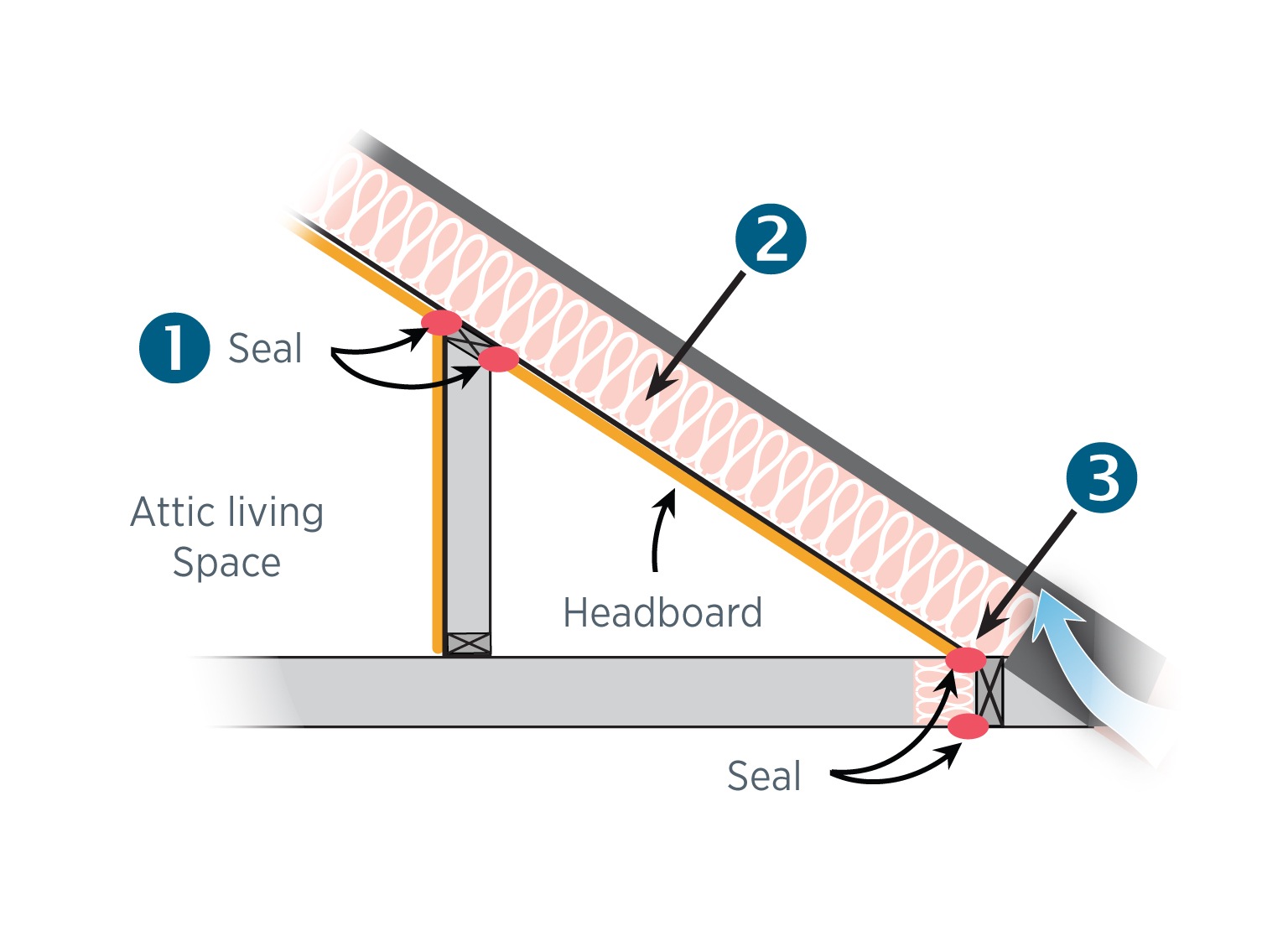
 

One way to air seal and insulate kneewalls – add insulation and a rigid air barrier along roof line of unconditioned attic space outside kneewall
Source
Author(s)
Southface Energy Institute,
Oak Ridge National Laboratory,
U.S. Department of Energy
Organization(s)
DOE,
SEI
Description

Brochure describing the benefits of air-sealing for homeowners.

Figure 1. One way to air seal and insulate knee walls – add insulation and a rigid air barrier along the roof line of unconditioned attic space outside the knee wall (Source: Technology Fact Sheet - Air Sealing 1999). 
How to Insulate and Air Seal Floor Joist Cavities under Knee Walls

Step 1a: Insert solid wood blocking or a rigid air barrier in the floor joist cavity openings under the knee wall (Figure 2). Seal the edges with a continuous bead of caulk or foam sealant.
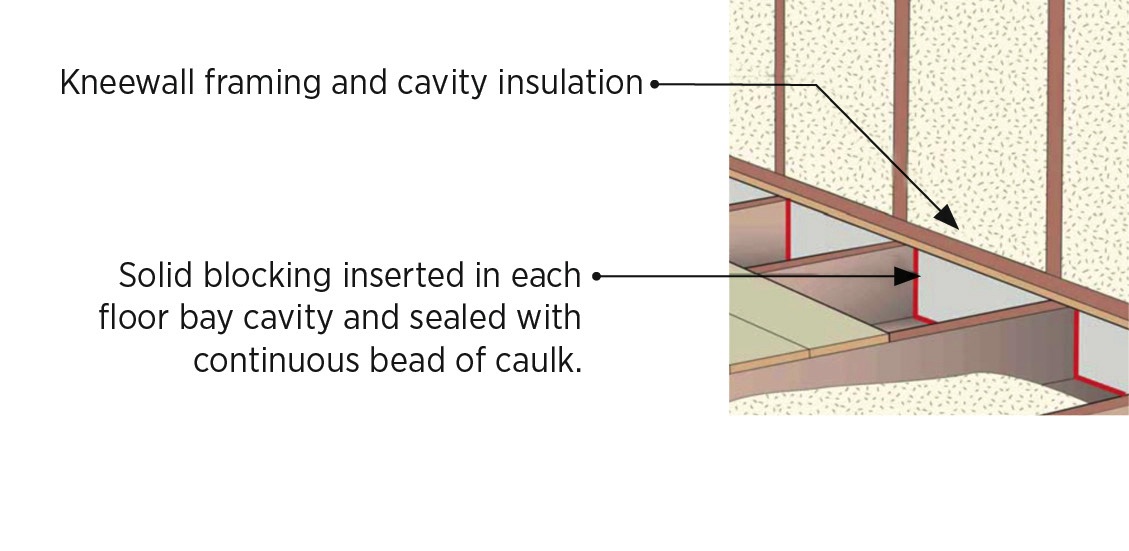
Air seal floor joist cavities under kneewall with rigid foam, plywood, or OSB caulked in place
Source
Courtesy Of
BSC
Figure 2. Air seal floor joist cavities under knee walls with a rigid air barrier caulked in place (Source: Courtesy of Building Science Corporation). 

-OR-

Step 1b: Stuff floor joist cavities with rolls of fiberglass batt and cover them with spray foam to the edges (Figure 3).
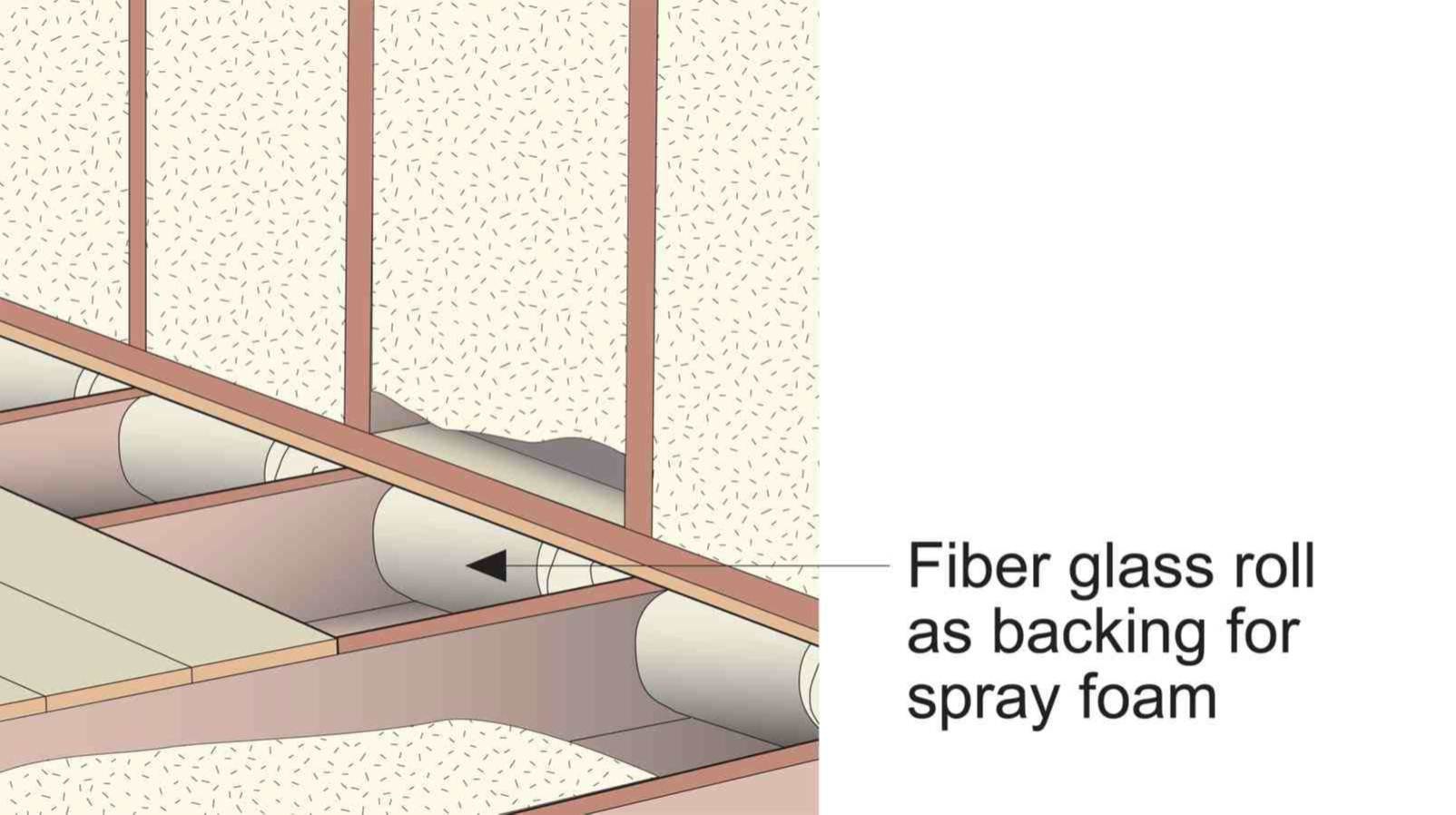
 

Stuff cavities under kneewalls with rolls of fiberglass batt and spray foam in place
Source
Courtesy Of
BSC
Figure 3. Stuff cavities under knee walls with rolls of fiberglass batt and spray foam in place (Source: Courtesy of Building Science Corporation). 

Step 2: Apply caulk to the exterior face of the top plate, bottom plate, and framing at each side of the knee wall. Install a rigid air barrier over the knee wall framing (Figure 4). Seal any seams in the rigid barrier with tape or caulk.
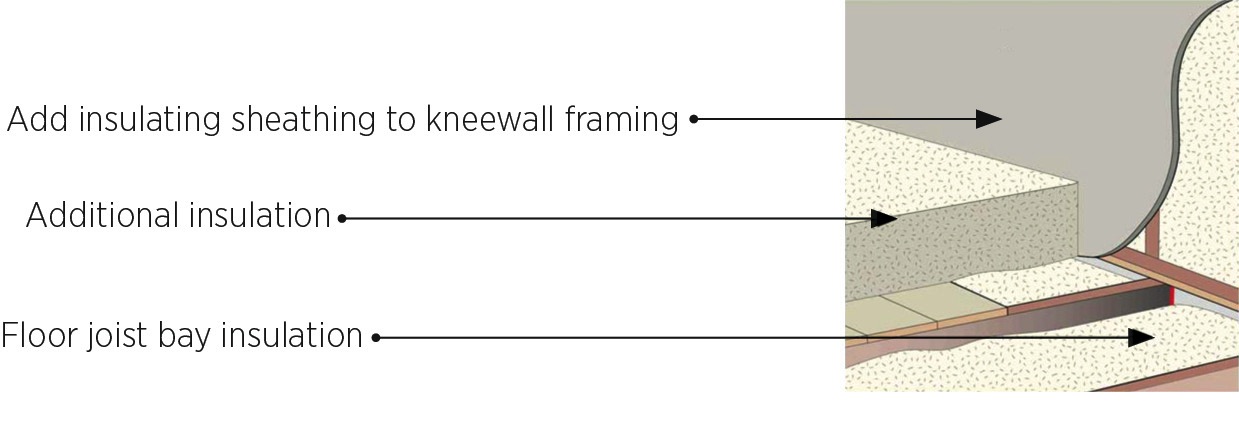
Cover insulated kneewall with rigid foam, caulked at edges. Add attic floor insulation
Source
Courtesy Of
BSC
Figure 4. Cover insulated knee wall with a rigid air barrier, caulked at edges; add attic floor insulation (Source: Courtesy of Building Science Corporation). 

Step 3: Fill the attic floor joist bays with insulation to meet or exceed the code minimum R-value (Figure 4).

Ensuring Success

Blower door testing, conducted as part of whole-house energy performance testing, may help indicate whether air leakage at knee walls has been successfully sealed. An infrared camera and/or visual inspection may also be used to determine locations of air leakage at the knee wall.

Region

Colder climates will increase the potential for and impacts of heat loss and air leakage if the attic knee walls are not properly insulated and air sealed.  Heat loss into the attic can warm the underside of the roof deck which can contribute to snow melt and ice dam formation. Significant air leakage from the house into the attic increases the potential for condensation and frost formation in the attic, if warm, humid conditioned air is allowed to escape into a wintertime attic with cold surfaces.

The map in Figure 1 shows the climate zones for states that have adopted energy codes equivalent to the International Energy Conservation Code (IECC) 2009, 12, 15, and 18. The map in Figure 2 shows the climate zones for states that have adopted energy codes equivalent to the IECC 2021. Climate-specific air leakage requirements in the IECC are shown in the Compliance Tab of this guide. 
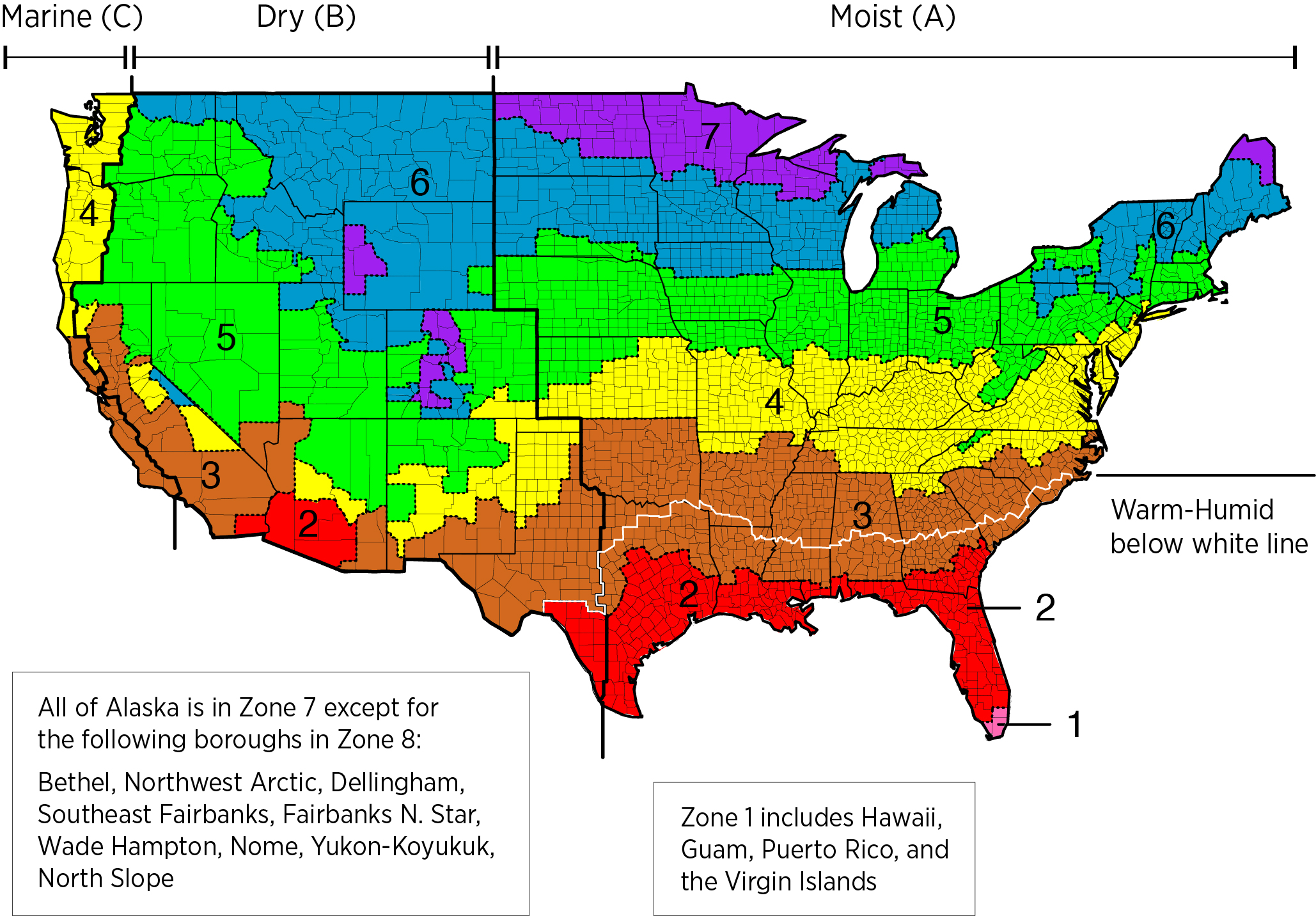
 

IECC climate zone map
Source
Author(s)
International Code Council
Organization(s)
ICC
Description

2012 edition of code establishing a baseline for energy efficiency by setting performance standards for the building envelope (defined as the boundary that separates heated/cooled air from unconditioned, outside air), mechanical systems, lighting systems and service water heating systems in homes and commercial businesses.
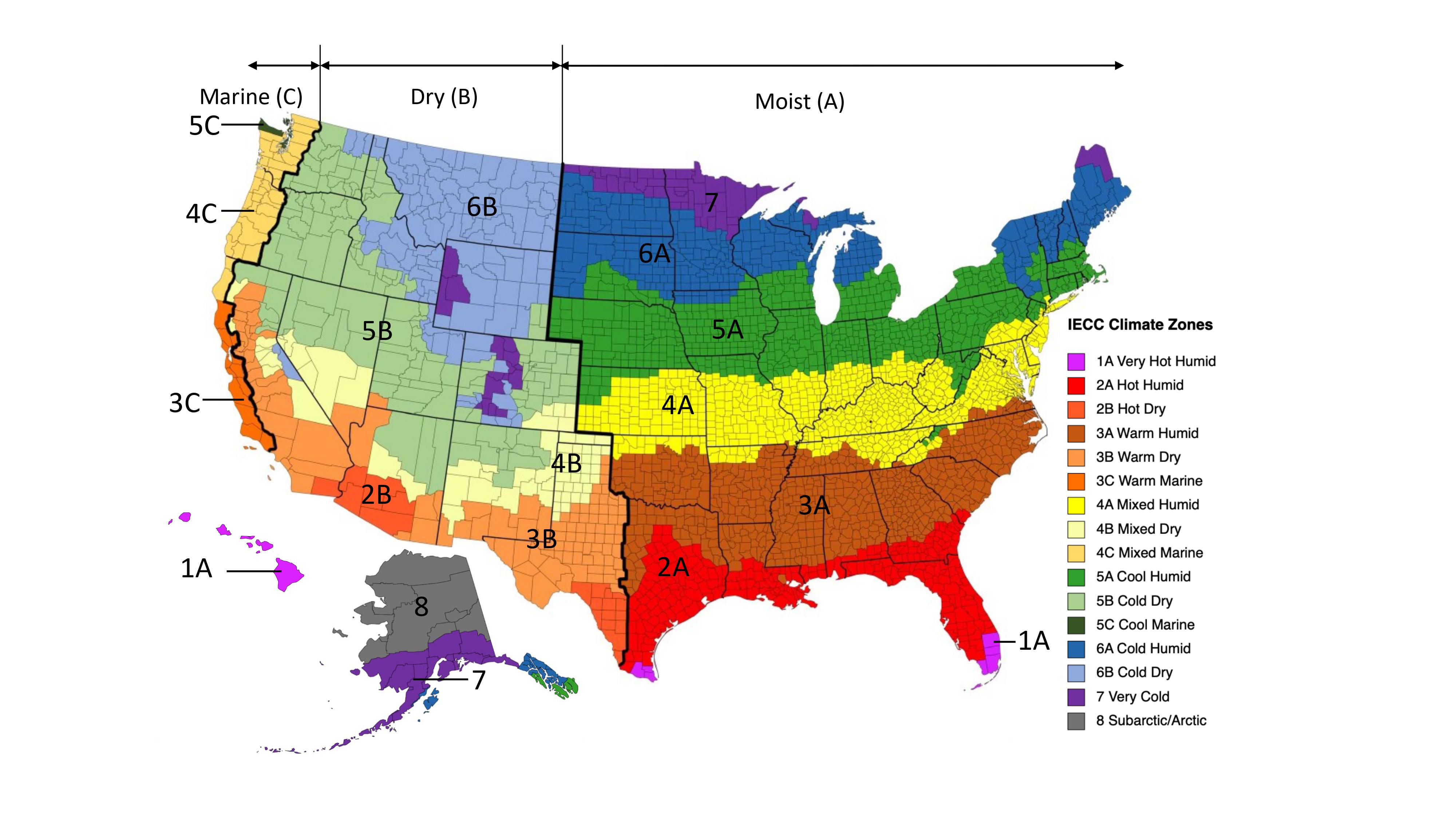
Figure 1. Climate Zone Map from IECC 2009, 12, 15, and 18 (Source: 2021 IECC).
Climate Zone Map from IECC 2021
Source
Author(s)
International Code Council
Organization(s)
ICC
Description

2021 edition of code establishing a baseline for energy efficiency by setting performance standards for the building envelope (defined as the boundary that separates heated/cooled air from unconditioned, outside air), mechanical systems, lighting systems and service water heating systems in homes and commercial businesses.

Figure 2. Climate Zone Map from IECC 2021 (Source: 2021 IECC).

Training

Right and Wrong Images

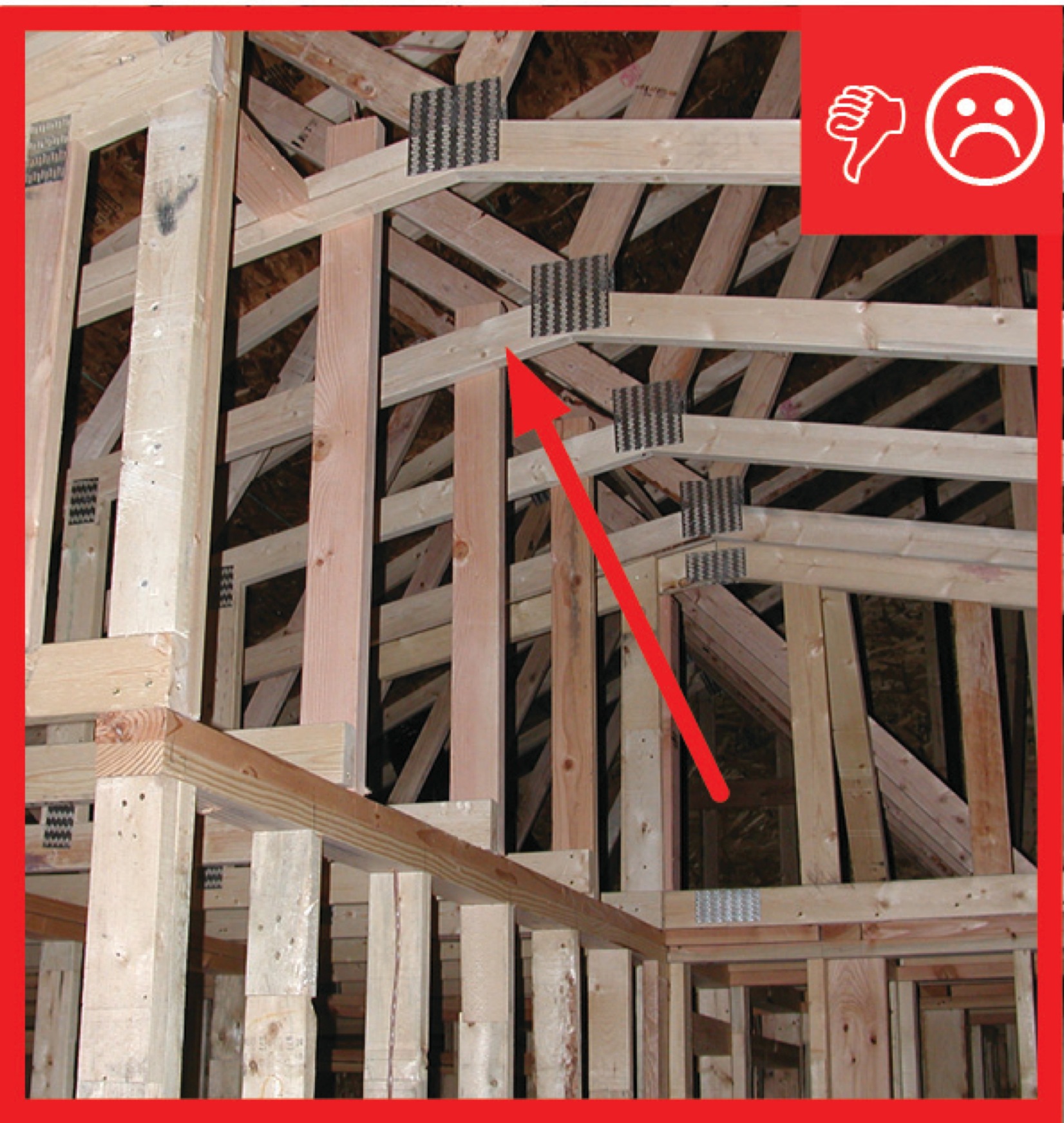
Wrong – No top plate was installed.
Source
Author(s)
U.S. Environmental Protection Agency,
ENERGY STAR
Organization(s)
EPA
Description

Guide describing details that serve as a visual reference for each of the line items in the Thermal Enclosure System Rater Checklist.
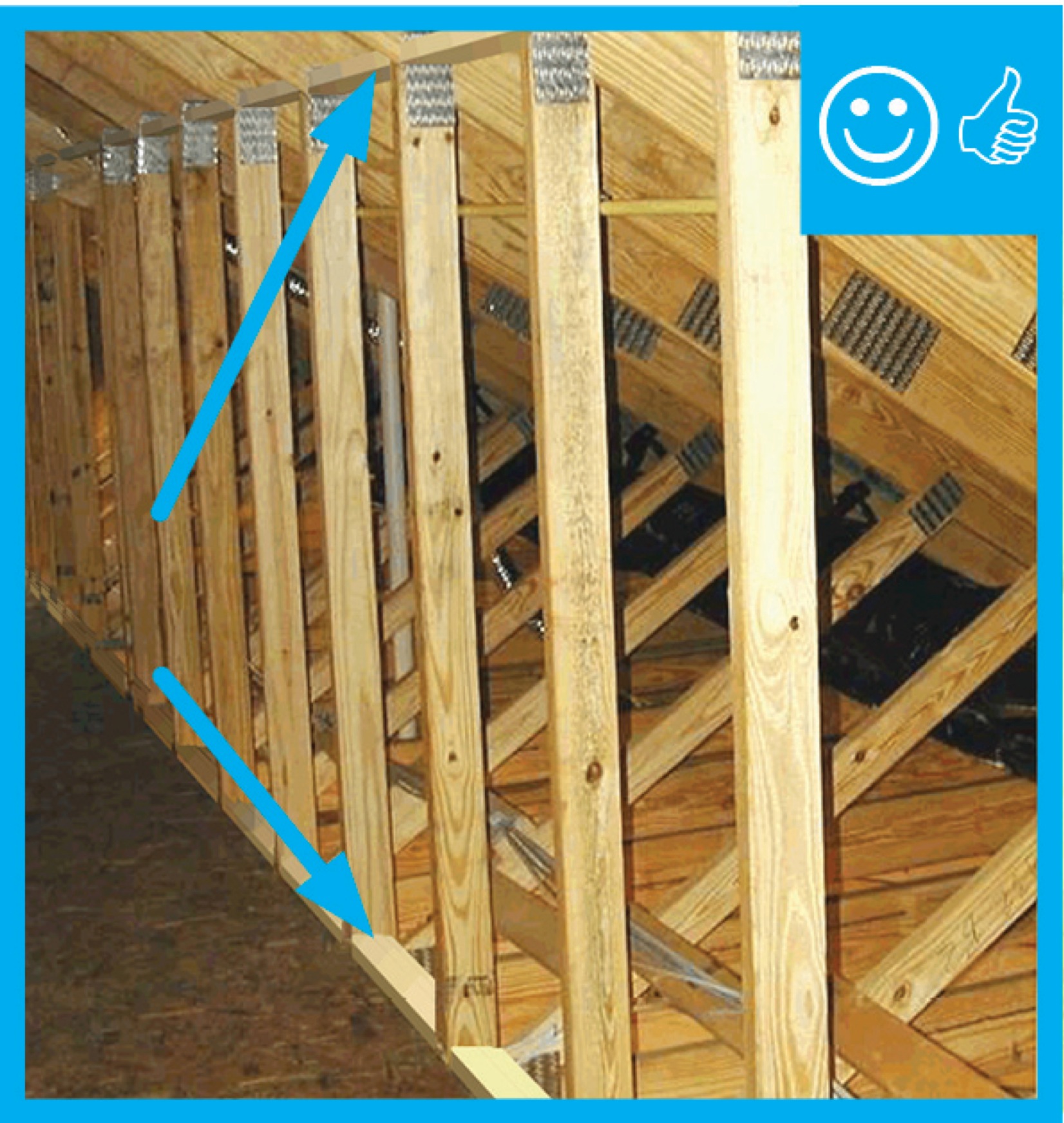
Right – Top and bottom plates were installed prior to backing and insulation.
Source
Author(s)
U.S. Environmental Protection Agency,
ENERGY STAR
Organization(s)
EPA
Description

Guide describing details that serve as a visual reference for each of the line items in the Thermal Enclosure System Rater Checklist.
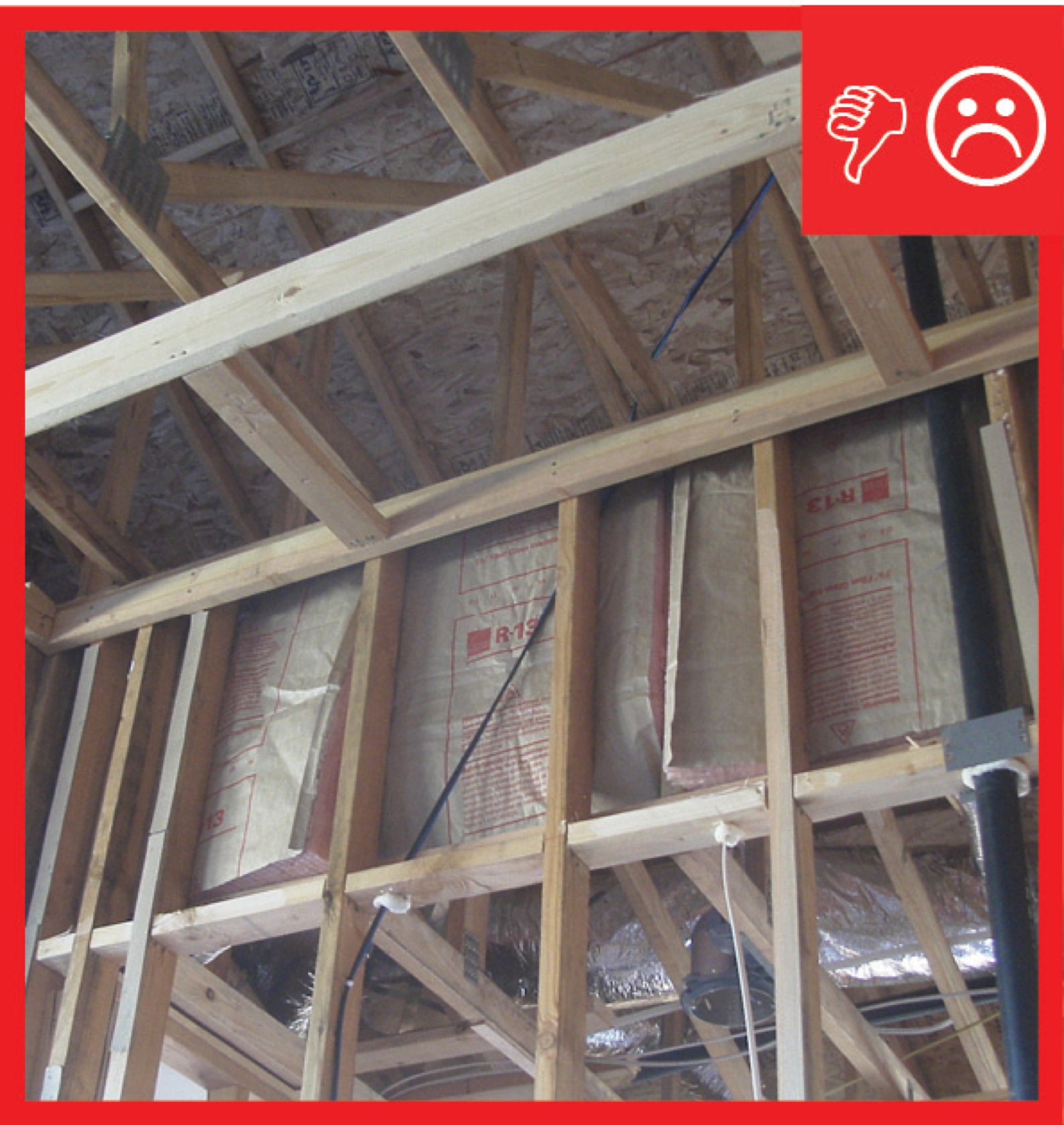
Wrong – No rigid backing was installed on the attic knee wall.
Source
Author(s)
U.S. Environmental Protection Agency,
ENERGY STAR
Organization(s)
EPA
Description

Guide describing details that serve as a visual reference for each of the line items in the Thermal Enclosure System Rater Checklist.
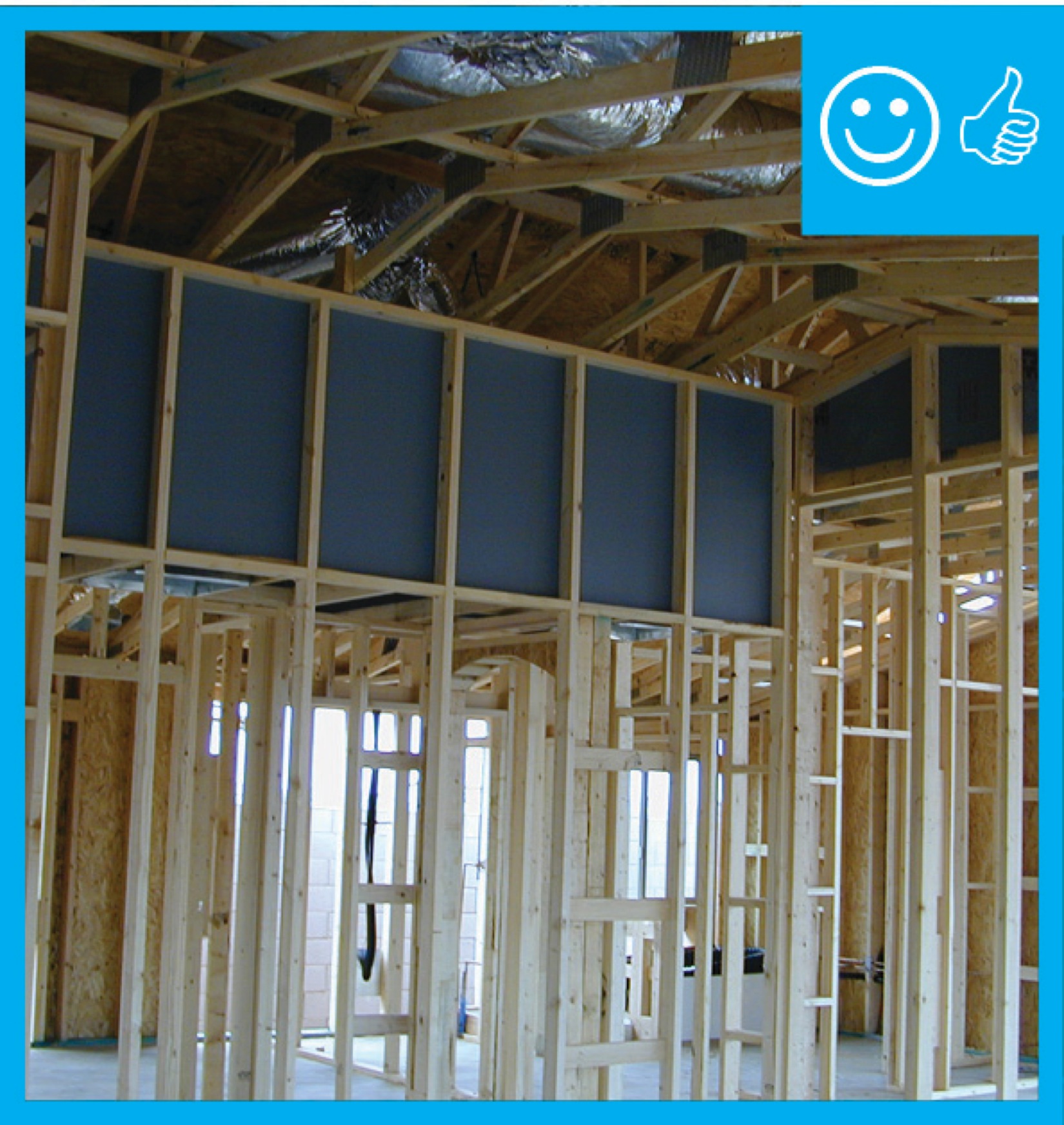
Right – Rigid backing was installed prior to insulating the attic knee walls.
Source
Author(s)
U.S. Environmental Protection Agency,
ENERGY STAR
Organization(s)
EPA
Description

Guide describing details that serve as a visual reference for each of the line items in the Thermal Enclosure System Rater Checklist.
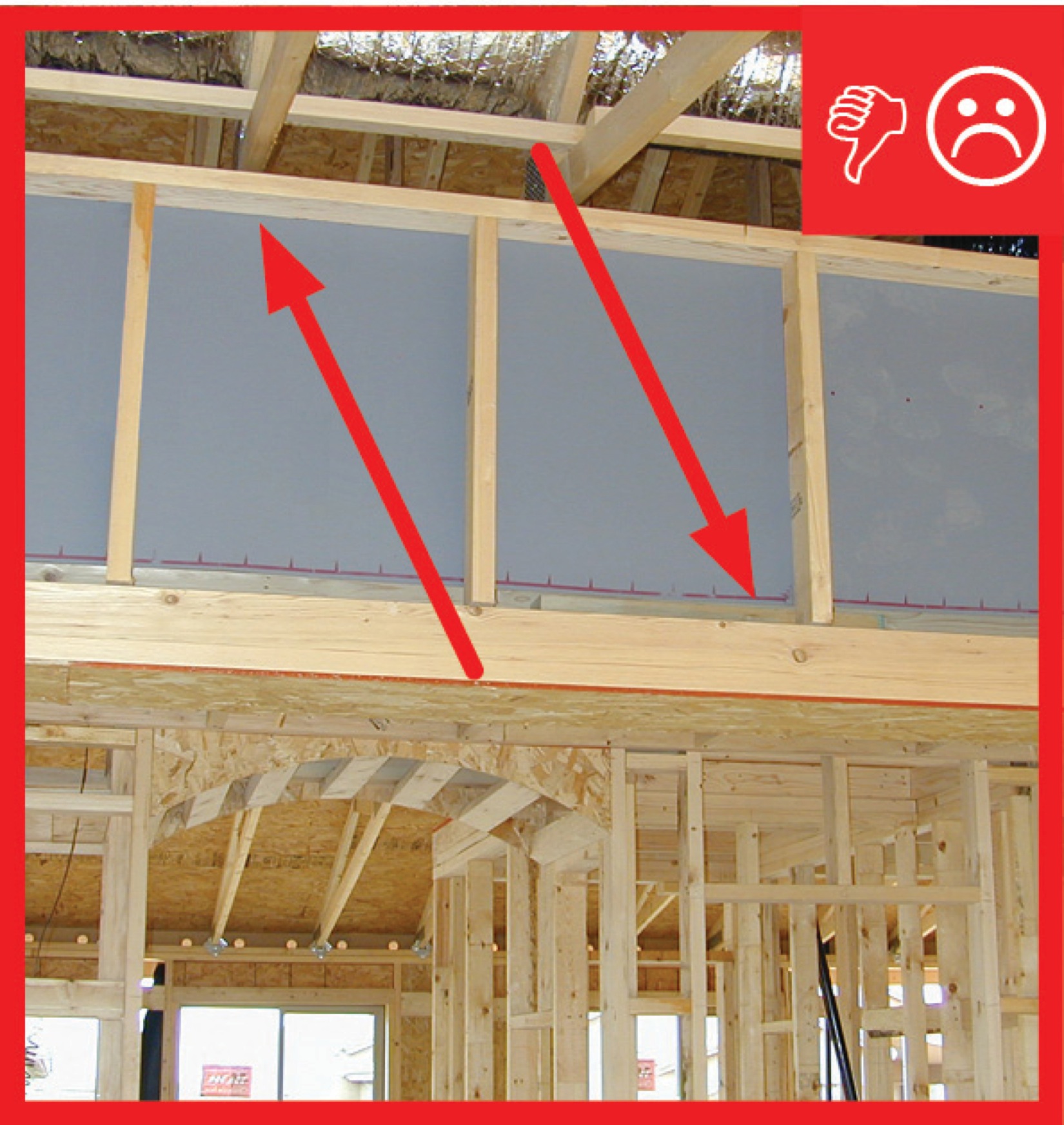
Wrong – The backing on this knee wall was not air sealed prior to adding insulation.
Source
Author(s)
U.S. Environmental Protection Agency,
ENERGY STAR
Organization(s)
EPA
Description

Guide describing details that serve as a visual reference for each of the line items in the Thermal Enclosure System Rater Checklist.
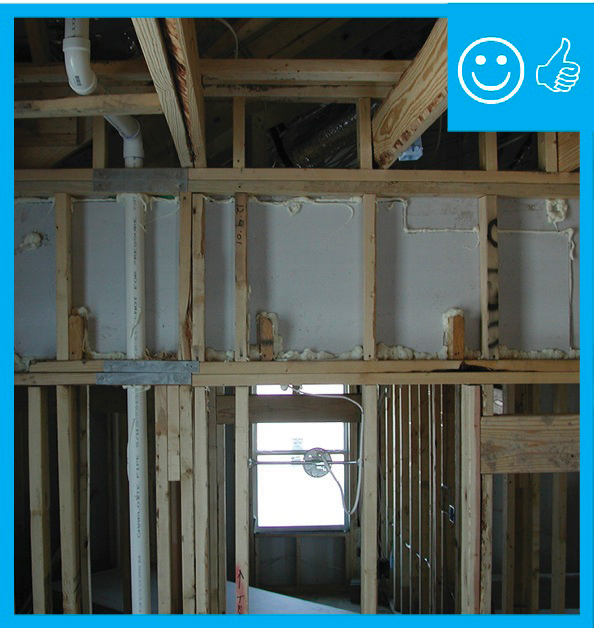
Right – The backing on this knee wall was air sealed prior to insulation.
Source
Author(s)
U.S. Environmental Protection Agency,
ENERGY STAR
Organization(s)
EPA
Description

Guide describing details that serve as a visual reference for each of the line items in the Thermal Enclosure System Rater Checklist.
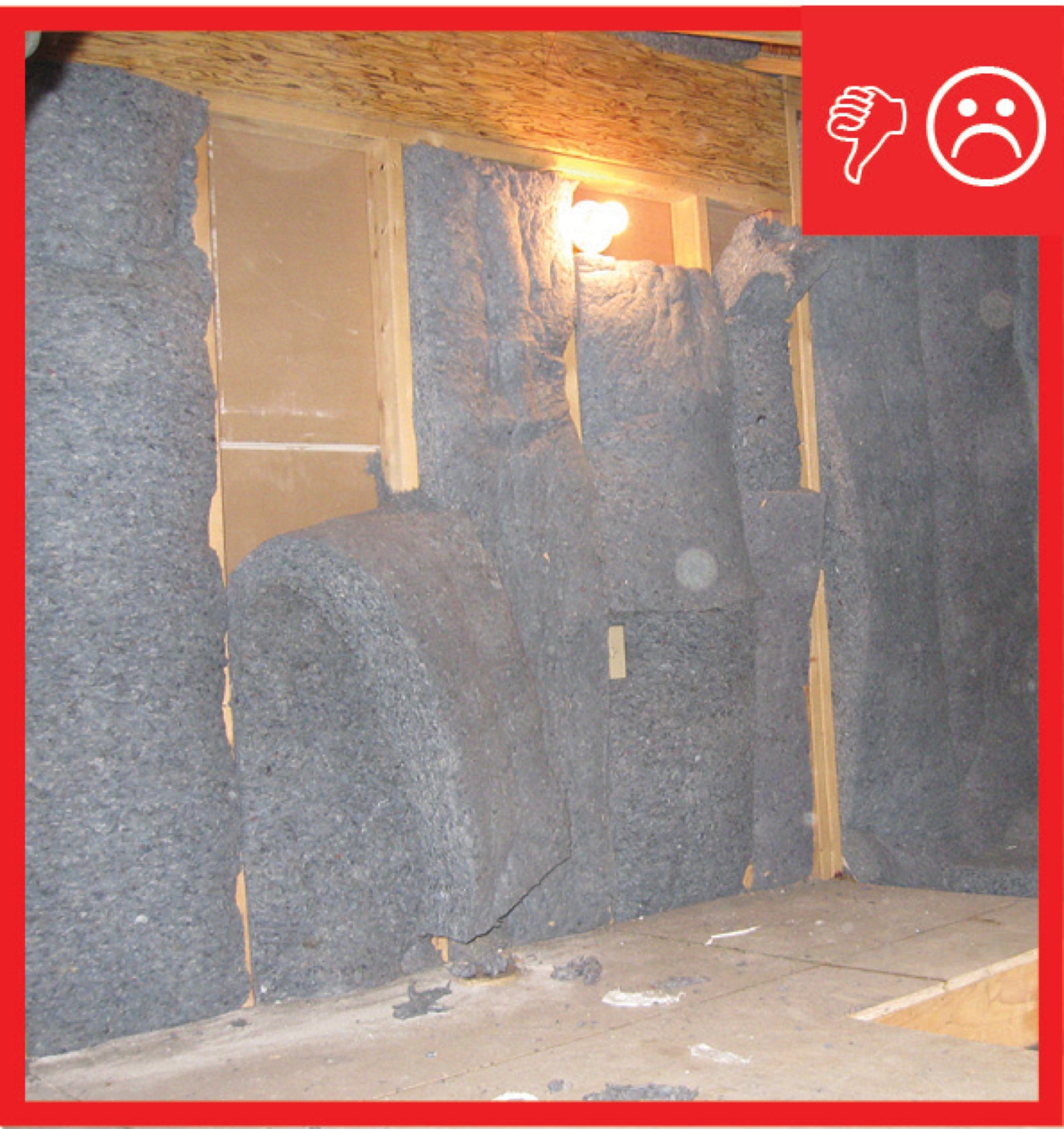
Wrong – The batt insulation on this knee wall is not properly supported and there is no air sealed rigid backing to provide a solid air barrier.
Source
Author(s)
U.S. Environmental Protection Agency,
ENERGY STAR
Organization(s)
EPA
Description

Guide describing details that serve as a visual reference for each of the line items in the Thermal Enclosure System Rater Checklist.
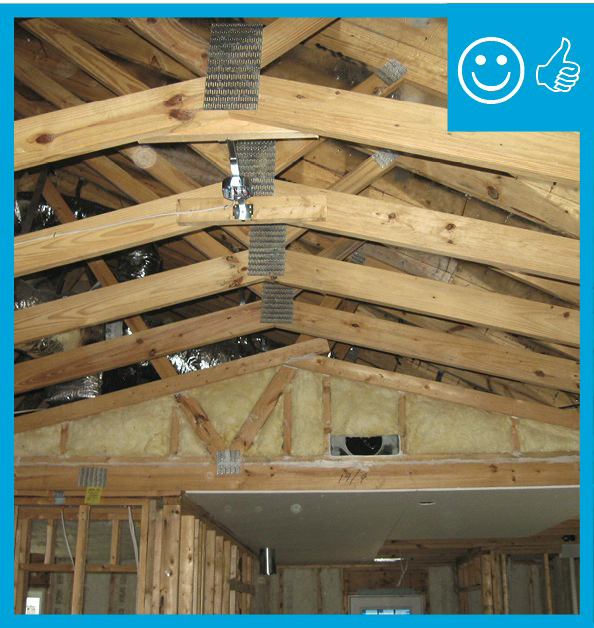
Right – The knee wall is properly insulated and air sealed.
Source
Author(s)
U.S. Environmental Protection Agency,
ENERGY STAR
Organization(s)
EPA
Description

Guide describing details that serve as a visual reference for each of the line items in the Thermal Enclosure System Rater Checklist.
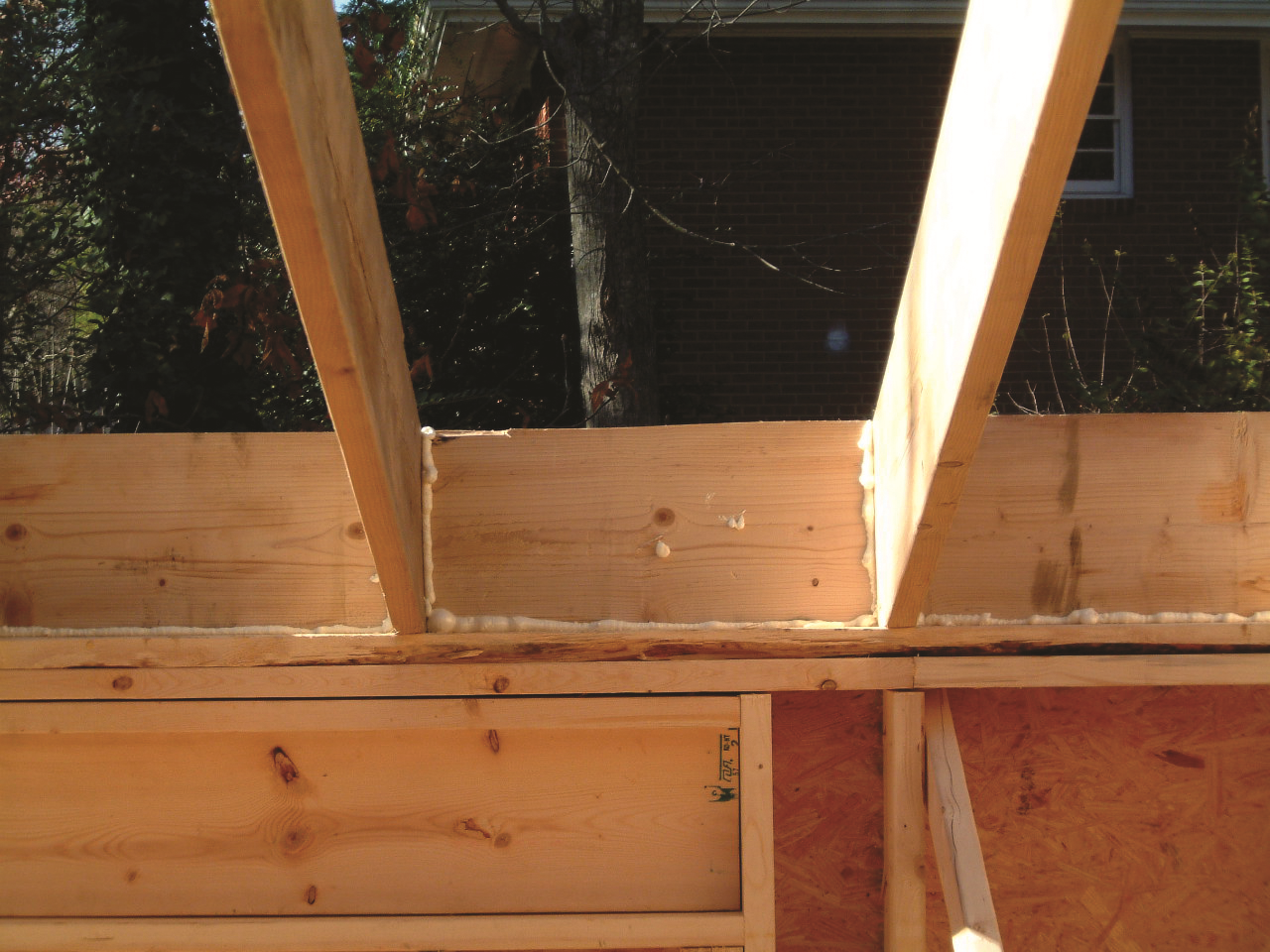
Right - Blocking has been installed between the ceiling joists and air sealed in place with canned spray foam to stop air flow beneath the attic knee wall.
Source
Author(s)
Coble Brian
Organization(s)
Home Energy Magazine
Description

Article describing how insulating and air sealing unfinished attic spaces can lead to reduced energy bills in some homes.
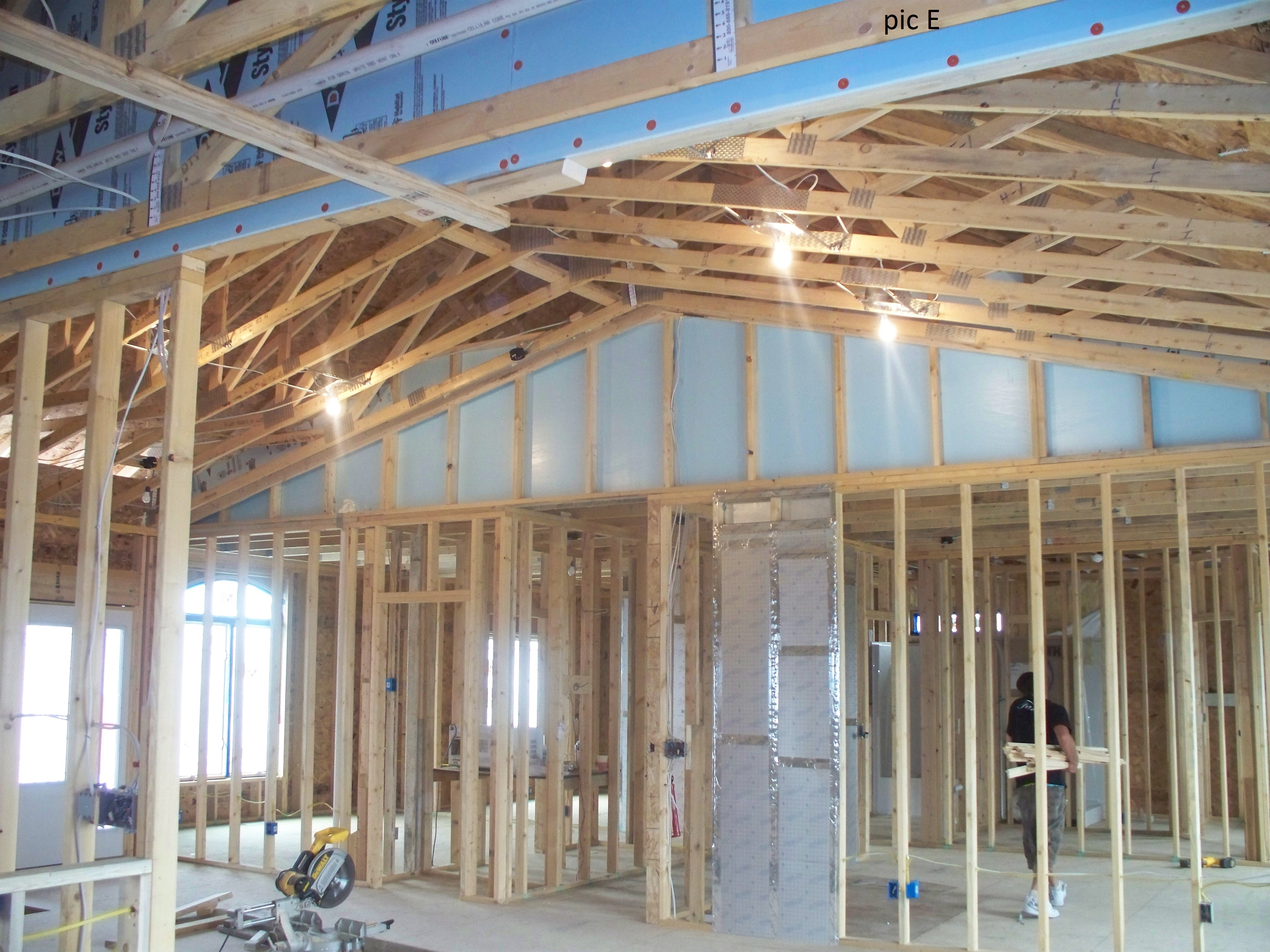
Right - These attic knee walls are insulated with rigid foam and sealed with spray foam to form a continuous air barrier at the gable end of this cathedral ceiling.
Source
Right – This attic knee wall and the floor joist cavity openings beneath it are being sealed and insulated with spray foam.
Source
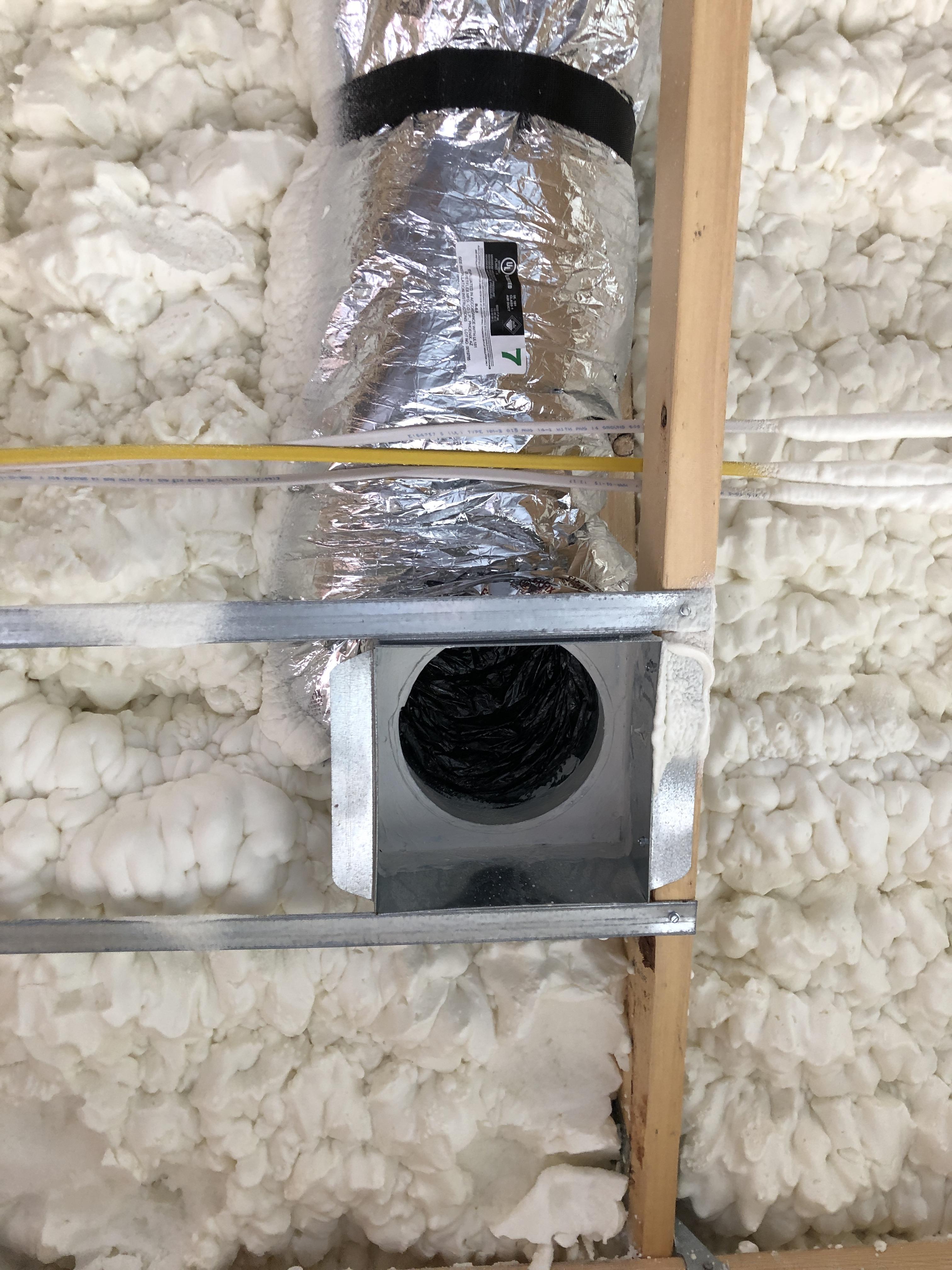
Right – Open-cell spray foam fills the attic floor joists.
Source

Videos

CAD Files

Conceptual insulation at cape-style roof - ceiling and knee wall cavity insulation
Download: DWG PDF
Conceptual insulation at cape-style roof - roof cavity insulation with rigid insulation closure
Download: DWG PDF

More Info

Case Studies

References and Resources

Publication Date
·
Author(s)
ENERGY STAR
·
Organization(s)
U.S. Environmental Protection Agency,
EPA,
ENERGY STAR
Description
Guide for homeowners describing how to find and seal basement and attic air leaks, determine if attic insulation is adequate, make improvements safely, and reduce energy bills.
Publication Date
·
Author(s)
U.S. Environmental Protection Agency,
ENERGY STAR
·
Organization(s)
EPA
Description
Guide describing details that serve as a visual reference for each of the line items in the Thermal Enclosure System Rater Checklist.

*For non-dated media, such as websites, the date listed is the date accessed.

Contributors to this Guide

The following authors and organizations contributed to the content in this Guide.

Sales

Building Science-to-Sales Translator

Fully Aligned Air Barriers = Whole-House Draft Barrier
Image(s)

Technical Description

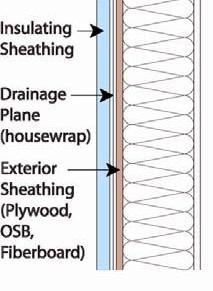
A whole-house draft barrier is a continuous layer of air-tight materials that block air leaks. This barrier can be integrated with other materials to also function as a water barrier, thermal barrier, and vapor barrier. For example, rigid foam insulation can be used to block thermal flow as well as air flow when seams are sealed with tape, caulk, adhesives, or liquid-applied sealants. Some rigid foams have an integrated water control layer as well. Additionally, drywall can serve as an interior air barrier when the seams are taped and spackled, and caulk, spray foam, or gaskets are used to seal around wiring, plumbing, and other penetrations. It also serves as the vapor barrier when finished with paint. Insulation should be in full contact with the air barrier layer.

Whole-House Draft Barrier
Sales Message

Whole-house draft barriers block air flow that can undermine the thermal protection with a complete high-performance insulation system. What this means to you is less wasted energy along with enhanced comfort, quiet, and durability. Wouldn’t you agree it would be a shame to only get a partial return on your investment in advanced insulation?

Last Updated

Questions? Comments? Contact our webmaster.

Disclaimer

This content is a work created with funding provided by the United States Department of Energy under Contract no DE-AC05-076RL01830 for the operation of Pacific Northwest National Laboratory. The information and guidance provided by Pacific Northwest National Laboratory (PNNL) in the content are intended solely for educational purposes only and do not constitute formal training or certification. It is provided with the explicit understanding that neither the United States Government nor the United States Department of Energy, nor the Contractor, nor any or their employees, nor any jurisdiction or organization that has cooperated in the development of these materials, makes any warranty, express or implied, or assumes any legal liability or responsibility for the accuracy, completeness, or usefulness or any information, apparatus, product, software, or process disclosed, or represents that its use would not infringe privately owned rights. Reference herein to any specific commercial product, process, or service by trade name, trademark, manufacturer, or otherwise does not constitute or imply its endorsement, recommendation, or favoring by the United States Government or any agency thereof, or Battelle Memorial Institute. The views and opinions of authors expressed herein do not necessarily state or reflect those of the United States Government or any agency thereof. Viewers assumes full responsibility for all actions that they may take from information provided in this content including ensuring the safety, code compliance, and proper functionality of any products they choose to install. Installation and use of such products should be performed in accordance with local regulations and manufacturer instructions.