Scope
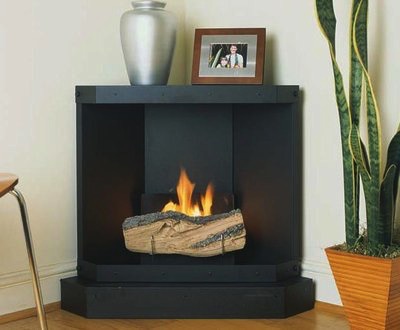
Do not install unvented combustion appliances within the conditioned space of the home. Unvented combustion appliances include unvented fireplaces, also known as ventless or ductless fireplaces. These gas, propane, or ethanol-burning fireplaces have no vent so they draw combustion air from the room they are in and release toxic combustion byproducts and moisture vapor back into the space in which they are located. Their use is banned in many states and municipalities.
See the Compliance Tab for related codes and standards requirements, and criteria to meet national programs such as DOE’s Zero Energy Ready Home program, ENERGY STAR Single-Family New Homes, and Indoor airPLUS.
Description
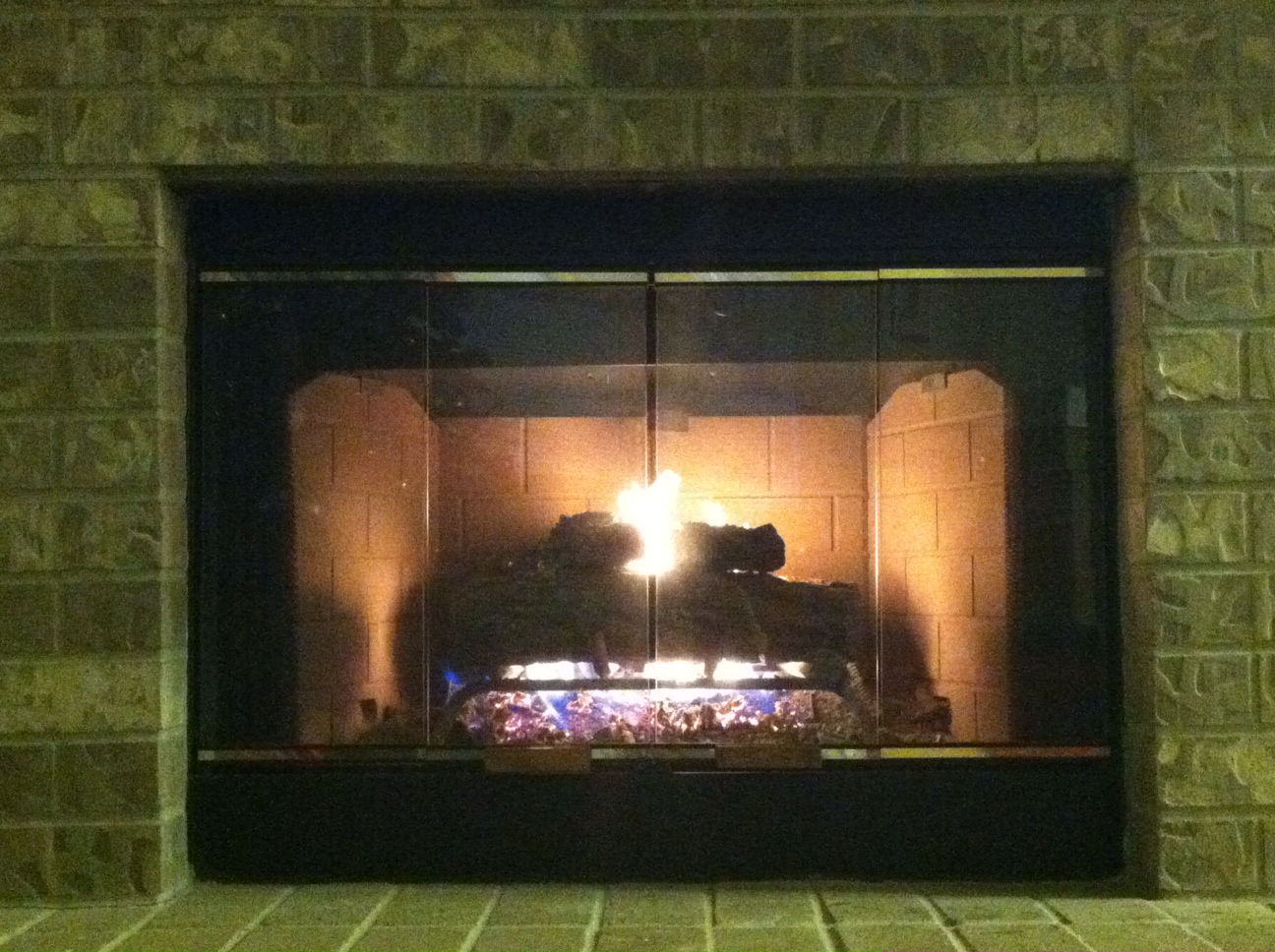
For aesthetics, builders today will sometimes install a ventless gas, propane, or ethanol-burning fireplace in the home. These ventless appliances have real flames, providing the ambiance of a traditional fireplace, with convenience and cost savings for the builder because no chimney needs to be installed. Manufacturers report that they burn at nearly 100% efficiency releasing fewer harmful gases into the home than other types of fireplaces. However, because they are ventless, any unburned combustion byproducts are released directly into the living space because there is no chimney to vent them out of the home. Also because no air intake is installed, many manufacturers recommend that homeowners open a window during operation of the fireplace, although there is no way to guarantee homeowners will follow this advice. A ventless fireplace that is burning efficiently will have a primarily blue flame. Defects such as plugged burner ports, a cracked burner, excessive gas input, impurities in the gas, or a gas leak somewhere in the unit can impact performance, reducing the efficiency of the burn and increasing the amount of combustion byproducts released.
In addition to possible combustion byproducts, ventless combustion appliances also release significant amounts of water vapor into the air. These products produce 1 gallon of water vapor for every 100,000 Btus, so a 30,000-Btu appliance would release nearly 1 gallon of water vapor for every 3 hours of operation, adding greatly to indoor humidity levels.
Due to safety, health, and moisture concerns, some building scientists recommend that unvented appliances never be installed in homes (BSC 2007, Bailes 2013).
ENERGY STAR Version 3.0 permits their installation but requires that the HERS rater test the appliance (using a portable CO monitoring device). If unvented combustion appliances other than cooking ranges or ovens are located inside the home’s pressure boundary, the Rater has followed ANSI/ACCA 12 QH-2014, Section 3.2.2, Appendix A Sections A2.2.6, A3, and A4, and verified the equipment meets the limits defined within. The rater should also confirm that the room size provides a minimum volume of combustion air for safe operation based on the size of the appliance installed, as specified by the manufacturer and/or code. The National Fuel Gas Code prohibits the installation of ventless combustion heaters in bathrooms or bedrooms.
Some ventless fireplaces come equipped by the manufacturer with an oxygen-detection sensor (ODS) that will automatically shut down the appliance if oxygen levels in the room become too low. It is recommended that the builder install a CO detector in the room near the ventless fireplace (NACHI 2013).
Because of safety concerns, several states and municipalities have banned the use of ventless combustion appliances. There have been no documented cases of fatalities caused by ODS-equipped ventless fireplaces, according to the U.S. Consumer Product Safety Commission (NACHI 2013). However, there have been consumer complaints about illness and humidity (Bailes 2013).
How to test unvented combustion appliances
- Turn on or light the ventless combustion fireplace.
- Let the appliance operate for 10 minutes.
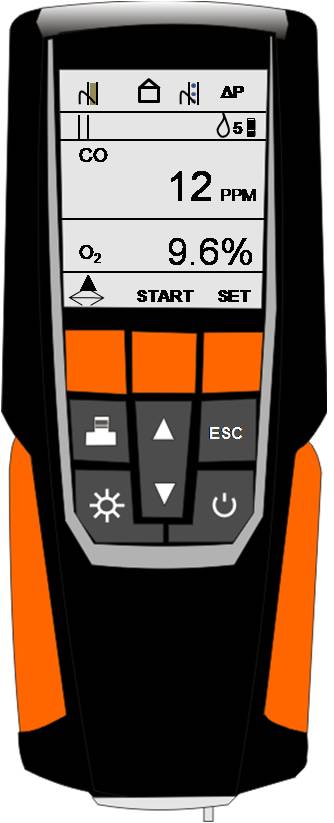
- Use a portable, hand-held CO monitor held in the air within a few feet of the fireplace or other appliance to test the ambient air near the appliance. If the CO level is above 35 ppm, the appliance fails the test and must be serviced and retested, or replaced.
Success
If unvented combustion appliances other than cooking ranges or ovens are located inside the home’s pressure boundary, the Rater has followed ANSI/ACCA 12 QH-2014, Section 3.2.2, Appendix A Sections A2.2.6, A3, and A4, and verified the equipment meets the limits defined within.
Climate
No climate specific information applies.
Compliance
Compliance
The Compliance tab contains both program and code information. Code language is excerpted and summarized below. For exact code language, refer to the applicable code, which may require purchase from the publisher. While we continually update our database, links may have changed since posting. Please contact our webmaster if you find broken links.
ENERGY STAR Single-Family New Homes, Version 3/3.1 (Rev. 11)
National Rater Field Checklist
HVAC System.
10. Combustion Appliances.
10.3 If unvented combustion appliances other than cooking ranges or ovens are located inside the home’s pressure boundary, the Rater has followed ANSI/ACCA 12 QH-2014, Section 3.2.2, Appendix A Sections A2.2.6, A3, and A4, and verified the equipment meets the limits defined within. 64, 68
Footnote 64) The pressure boundary is the primary enclosure boundary separating indoor and outdoor air. For example, a volume that has more leakage to outside than to conditioned space would be outside the pressure boundary.
Footnote 68) The minimum volume of combustion air required for safe operation by the manufacturer and / or code shall be met or exceeded. Also, in accordance with the National Fuel Gas Code, ANSI Z223.l / NFPA54, unvented room heaters shall not be installed in bathrooms or bedrooms.
Please see the ENERGY STAR Single-Family New Homes Implementation Timeline for the program version and revision currently applicable in your state.
Retrofit
Unvented combustion appliances, such as unvented gas fireplaces, should not be installed in a home. If an unvented combustion appliances is found to be installed in an existing home, a HERS rater should test the appliance (using a portable CO monitoring device as described in the Description tab). If unvented combustion appliances other than cooking ranges or ovens are located inside the home’s pressure boundary, the Rater has followed ANSI/ACCA 12 QH-2014, Section 3.2.2, Appendix A Sections A2.2.6, A3, and A4, and verified the equipment meets the limits defined within. The rater should also confirm that the room size provides a minimum volume of combustion air for safe operation based on the size of the appliance installed, as specified by the manufacturer and/or code. If the home is not equipped with a carbon monoxide (CO) monitor, one should be installed in the room near the unvented fireplace.
For more information on combustion appliances, please see the assessment guide, Pre-Retrofit Assessment of Combustion Appliances.
The U.S. Department of Energy’s Standard Work Specifications has additional information on combustion appliances.
More
More Info.
Access to some references may require purchase from the publisher. While we continually update our database, links may have changed since posting. Please contact our webmaster if you find broken links.
The following authors and organizations contributed to the content in this Guide.
Sales
Proper Ventilated Fireplaces = Ventilated Fireplace
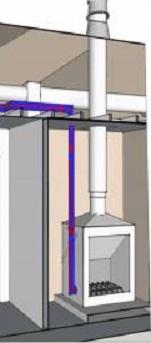
Ventilated fireplaces typically burn natural gas or propane and use a vent to bring outside combustion air directly into the firebox. These fireplaces have tight-fitting glass doors across their face to prevent conditioned room air from being used as combustion air and then expelled through the flue. Consuming room air for combustion may deplete oxygen levels in the home and pull conditioned air out of the home. Exhaust gases are vented up a chimney or out a side wall. These closed-combustion systems are much less likely to experience spillage of combustion gases into the home. This improves both health and comfort while eliminating odors.