ENERGY STAR Qualified Homes, Version 3 (Rev. 06)
Checklist Manager provides links to technical guides that align with each measure included in the checklists for ENERGY STAR Qualified Homes, Version 3 (Rev. 6). The numbers and titles included in the Checklist Manager follow the same order as the four ENERGY STAR Inspection Checklists for National Program Requirements. To view programmatic footnotes, see the original program checklists. Portions of the programmatic footnotes have been added to the Scope tabs in the guides. For additional ENERGY STAR program requirements and information, visit the ENERGY STAR Website.
- Thermal Enclosure System Rater Checklist (TES)
- TES 1. High-Performance Fenestration
- TES 2. Quality-Installed Insulation
- TES 2.1. Ceiling, wall, floor, and slab insulation levels shall comply with one of the following options:
- TES 2.2. Ceiling, wall, floor, and slab insulation shall achieve RESNET Grade I or Grade II for surfaces with continuous insulation
- TES 3. Fully-Aligned Air Barriers
- TES 3.1. Walls
- TES 3.1.1. Walls behind showers and tubs
- TES 3.1.2. Walls behind fireplaces
- TES 3.1.3. Attic knee walls
- TES 3.1.4. Skylight shaft walls
- TES 3.1.5. Wall adjoining porch roof
- TES 3.1.6. Staircase walls
- TES 3.1.7. Double walls
- TES 3.1.8. Garage rim / band joist adjoining conditioned space
- TES 3.1.9. All other exterior walls
- TES 3.2. Floors
- TES 3.3. Ceilings
- TES 3.3.1. Dropped ceiling / soffit below unconditioned attic
- TES 3.3.2. All other ceilings
- TES 4. Reduced Thermal Bridging
- TES 4.1. Insulated ceilings with attic space, Grade I insulation extends to exterior wall at CZ 1-5: ≥ R-21; CZ 6-8: ≥ R-30
- TES 4.2. Slabs on grade in CZ 4 and higher, 100% insulated to ≥ R-5 as specified by 2009 IECC and aligned with thermal boundary of walls
- TES 4.3. Insulation beneath attic platforms ≥ R-21 in CZ 1-5; ≥ R-30 in CZ 6-8
- TES 4.4. Reduced thermal bridging at above-grade walls separating conditioned from unconditioned space
- TES 4.4.1. Continuous rigid insulation, insulated siding, or combination of the two; ≥ R-3 in Climate Zones 1 to 4, ≥ R-5 in Climate Zones 5 to 8
- TES 4.4.2. Structural Insulated Panels (SIPs)
- TES 4.4.3. Insulated Concrete Forms (ICFs)
- TES 4.4.4. Double-wall framing
- TES 4.4.5. Advanced framing, including all of the items below:
- TES 4.4.5a. All corners insulated ≥ R-6 to edge
- TES 4.4.5b. All headers above windows & doors insulated
- TES 4.4.5c. Framing limited at all windows & doors
- TES 4.4.5d. All interior / exterior wall intersections insulated to the same R-value as the rest of the exterior wall
- TES 4.4.5e. Minimum stud spacing of 16 in. o.c. for 2x4 framing in all Climate Zones and, in Climate Zones 5 through 8, 24 in. o.c. for 2x6 framing unless otherwise specified
- TES 5. Air Sealing
- TES 5.1. Penetrations to unconditioned space fully sealed with solid blocking or flashing as needed and gaps sealed with caulk or foam
- TES 5.1.1. Duct / flue shaft
- TES 5.1.2. Plumbing / piping
- TES 5.1.3. Electrical wiring
- TES 5.1.4. Bathroom and kitchen exhaust fans
- TES 5.1.5. Recessed lighting fixtures adjacent to unconditioned space ICAT labeled, gasketed and if no attic above, insulated to ≥ R-10 in CZ 4 and higher
- TES 5.1.6. Light tubes adjacent to unconditioned space include lens and are fully gasketed
- TES 5.2. Cracks in the building envelope fully sealed
- TES 5.2.1. All sill plates sealed to foundation or sub-floor with caulk, foam, or equivalent and include foam gasket beneath if resting atop concrete or masonry
- TES 5.2.2. At top of walls adjoining unconditioned spaces, continuous top plates or sealed blocking using caulk, foam, or equivalent material
- TES 5.2.3. Drywall sealed to top plate at all interfaces using caulk, foam, drywall adhesive or equivalent and applied directly between drywall and top plate or to the seam from the attic
- TES 5.2.4. Rough opening around windows & exterior doors sealed with caulk or foam
- TES 5.2.5. Marriage joints between modular home modules at all exterior boundary conditions fully sealed with gasket and foam
- TES 5.2.6. All seams between Structural Insulated Panels (SIPs) foamed and / or taped per manufacturer’s instructions
- TES 5.2.7. In multifamily buildings, the gap between the common wall and the structural framing between units fully sealed at all exterior boundaries
- TES 5.3. Other openings
- TES 5.3.1. Doors adjacent to unconditioned space or ambient conditions gasketed or made substantially air-tight
- TES 5.3.2. Attic access panels and drop-down stairs equipped with a durable ≥ R-10 insulated cover that is gasketed to produce continuous air seal
- TES 5.3.3. Whole-house fans equipped with a durable ≥ R-10 insulated cover that is gasketed and either installed on the house side or mechanically operated
- HVAC System Quality Installation Contractor Checklist (HVAC/C)
- HVAC/C 1. Whole-Building Mechanical Ventilation Design
- HVAC/C 2. Heating & Cooling System Design
- HVAC/C 3. Selected Cooling Equipment, If Cooling Equipment to be Installed
- HVAC/C 4. Selected Heat Pump Equipment, If Heat Pump to be Installed
- HVAC/C 5. Selected Furnace, If Furnace to be Installed
- HVAC/C 6. Refrigerant Tests
- HVAC/C 7. Refrigerant Calculations
- HVAC/C 8. Electrical Measurements
- HVAC/C 9. Air Flow Tests
- HVAC/C 10. Air Balance
- HVAC/C 11. System Controls
- HVAC/C 12. Drain Pan
- HVAC System Quality Installation Rater Checklist (HVAC/R)
- HVAC/R 1. Review of HVAC System Quality Installation Contractor Checklist
- HVAC/R 1.1. HVAC System Contractor Checklist completed along with documentation on ventilation system, full load calculations, AHRI certificate and balancing report
- HVAC/R 1.2. Review the following parameters related to system cooling design, selection, and installation from the HVAC Contractor Checklist
- HVAC/R 1.2.1. Outdoor design temperatures are equal to the 1% and 99% ACCA Manual J design temperatures for contractor-designated design location
- HVAC/R 1.2.2. Home orientation matches orientation of rated home
- HVAC/R 1.2.3. Number of occupants equals number of occupants in rated home
- HVAC/R 1.2.4. Conditioned floor area is within ±10% of conditioned floor area of rated home
- HVAC/R 1.2.5. Window area is within ±10% of calculated window area of rated home
- HVAC/R 1.2.6. Predominant window SHGC is within 0.1 of predominant value in rated home
- HVAC/R 1.2.7. Listed latent cooling capacity exceeds design latent heat gain
- HVAC/R 1.2.8. Listed sensible cooling capacity exceeds design sensible heat gain
- HVAC/R 1.2.9. Listed total cooling capacity is 95-115% (or 95-125% for Heat Pumps in Climate Zones 4-8) of design total heat gain or next nominal size
- HVAC/R 1.2.10. HVAC manufacturer and model numbers on equipment, Contractor Checklist and AHRI certificate or OEM catalog data all match
- HVAC/R 1.2.11. Liquid line or suction line pressure, corresponding temp. matches reported condenser or evaporator saturation temperature (± 3 degrees)
- HVAC/R 1.2.12. Calculated subcooling or superheat value equals reported target subcooling or superheat temperature
- HVAC/R 1.3. Rater-verified supply & return duct static pressure ≤ 110% of contractor values
- HVAC/R 1.4. Contractor-prepared balancing report indicating the room name/design airflow and five individual room measurements through one of the following:
- HVAC/R 1.5. HVAC contractor holds credentials necessary to complete the HVAC System QI Contractor Checklist
- HVAC/R 2. Duct Quality Installation
- HVAC/R 2.1. Connections and routing of ductwork completed without kinks or sharp bends
- HVAC/R 2.2. No excessive coiled or looped flexible ductwork
- HVAC/R 2.3. Flexible ducts in unconditioned space not installed in cavities smaller than outer duct diameter; in conditioned space not installed in cavities smaller than inner duct diameter
- HVAC/R 2.4. Flexible ducts supported at intervals as recommended by mfr. but at a distance ≤ 5 ft
- HVAC/R 2.5. Building cavities not used as supply or return ducts unless they meet Items 3.2, 3.3, 4.1, and 4.2 of this Checklist
- HVAC/R 2.6. HVAC ducts, cavities used as ducts, and combustion inlets and outlets not run through exterior walls without R-6 insulation or greater
- HVAC/R 2.7. Quantity & location of supply and return duct terminals match contractor balancing report
- HVAC/R 2.8. Bedrooms pressure-balanced and provide 1 sq. in. of free area opening per 1 CFM of supply air or achieve a Rater-measured pressure differential ≤ 3 Pa
- HVAC/R 3. Duct Insulation
- HVAC/R 3.1. All connections to trunk ducts in unconditioned space are insulated
- HVAC/R 3.2. Prescriptive Path: Supply ducts in unconditioned attic have insulation ≥ R-8. Performance Path: Supply ducts in unconditioned attic have insulation ≥ R-6
- HVAC/R 3.3. All other supply ducts and all return ducts in unconditioned space have insulation ≥ R-6
- HVAC/R 4. Duct Leakage
- HVAC/R 5. Whole-Building Delivered Ventilation
- HVAC/R 6. Controls
- HVAC/R 6.1. Air flow is produced when central HVAC fan is energized (set thermostat to “fan”)
- HVAC/R 6.2. Cool air flow is produced when the cooling cycle is energized (set thermostat to “cool”)
- HVAC/R 6.3. Heated air flow is produced when the heating cycle is energized (set thermostat to “heat”)
- HVAC/R 6.4. Continuously-operating ventilation & exhaust fans include readily accessible override controls
- HVAC/R 6.5. Function of ventilation controls is obvious (e.g., bathroom exhaust fan) or, if not, controls have been labeled
- HVAC/R 7. Ventilation Air Inlets & Ventilation Source
- HVAC/R 7.1. Ventilation air inlets located ≥10 ft. of stretched-string distance from known contamination sources such as stack, vent, exhaust hood, or vehicle exhaust
- HVAC/R 7.2. Ventilation air inlets ≥ 2 ft. above grade or roof deck in Climate Zones 1-3 or ≥ 4 ft. above grade or roof deck in Climate Zones 4-8 and not obstructed
- HVAC/R 7.3. Ventilation air inlets provided with rodent / insect screen with ≤ 0.5 inch mesh
- HVAC/R 7.4. Ventilation air comes directly from outdoors, not from adjacent dwelling units, garages, crawlspaces, or attics
- HVAC/R 8. Local Mechanical Exhaust
- HVAC/R 8.1. Kitchen exhausts directly to the outdoors at ≥ 5 ACH, based on kitchen volume continuous rate or ≥ 100 CFM intermittent rate
- HVAC/R 8.2. Bathroom exhausts directly to the outdoors at ≥ 20 CFM continuous rate or ≥ 50 CFM intermittent rate
- HVAC/R 8.3. If fans share common exhaust duct, back-draft dampers installed
- HVAC/R 8.4. Common exhaust duct not shared by fans in separate dwellings
- HVAC/R 8.5. Clothes dryers vented directly to outdoors, except for ventless dryers equipped with a condensate drain
- HVAC/R 9. Ventilation & Exhaust Fan Ratings (Exemptions for HVAC and Remote-Mounted Fans)
- HVAC/R 9.1. Intermittent supply and exhaust fans rated at ≤ 3 sones by mfr. when producing no less than the rate required by Section 8, unless rated flow ≥ 400 CFM
- HVAC/R 9.2. Continuous supply & exhaust fans rated at ≤ 1 sone by mfr. when producing no less than the minimum airflow required by Section 8 of this Checklist
- HVAC/R 9.3. Bathroom fans used as part of a whole-house mechanical ventilation system shall be ENERGY STAR qualified; unless rated flow rate ≥ 500 CFM
- HVAC/R 10. Combustion Appliances
- HVAC/R 10.1. Furnaces, boilers, and water heaters located within the home’s pressure boundary are mechanically drafted or direct-vented
- HVAC/R 10.2. Fireplaces that are not mechanically drafted or direct-vented to outdoors, total net rated exhaust flow is ≤ 15 CFM per 100 sq. ft. of occupiable space when at full capacity
- HVAC/R 10.3. Unvented combustion appliances other than cooking ranges are operated for at least 10 min. and verified ambient CO level does not exceed 35 ppm
- HVAC/R 11. Filtration
- HVAC/R 11.1. At least one MERV 6 or higher filter installed in each ducted mechanical system
- HVAC/R 11.2. All return air and mechanically supplied outdoor air pass through filter prior to conditioning
- HVAC/R 11.3. Filter located and installed so as to facilitate access and regular service by the owner
- HVAC/R 11.4. Filter access panel includes gasket or comparable sealing mechanism and fits snugly against the exposed edge of filter
- HVAC/R 1. Review of HVAC System Quality Installation Contractor Checklist
- Water Management System Builder Checklist (WMS)
- WMS 1. Water-Managed Site and Foundation
- WMS 1.1. Patio slabs, porch slabs, walks, and driveways sloped ≥ 0.25 in. per ft. away from home to edge of surface or 10 ft
- WMS 1.2. Back-fill has been tamped and final grade sloped ≥ 0.5 in. per ft. away from home for ≥ 10 ft
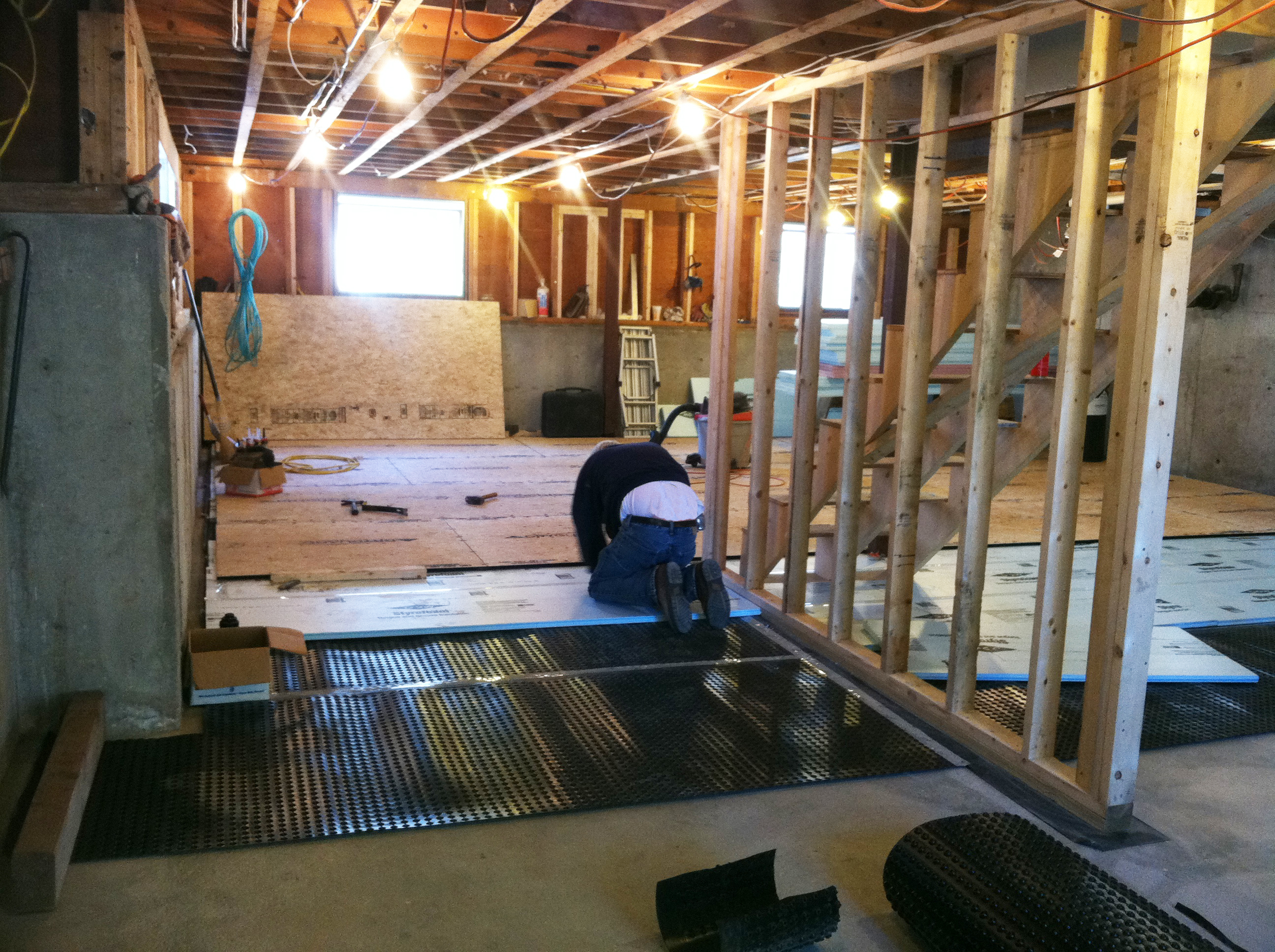
- WMS 1.3. Capillary break beneath all slabs except crawlspace slabs using either: ≥ 6 mil polyethylene sheeting, lapped 6-12 in., or ≥ 1” extruded polystyrene insulation with taped joints
- WMS 1.4. Capillary break at all crawlspace floors using ≥ 6 mil polyethylene sheeting, lapped 6-12 in., and installed using one of the following three options:
- WMS 1.5. Exterior surface of BG walls: poured concrete, concrete masonry, and insulated concrete forms, finish with damp-proofing coating, wood framed walls, finish with polyethylene and adhesive
- WMS 1.6. Class 1 vapor retarders not installed on the interior side of air permeable insulation in exterior below-grade walls
- WMS 1.7. Sump pump covers mechanically attached with full gasket seal or equivalent
- WMS 1.8. Drain tile surrounded with clean gravel and fabric filter
- WMS 2. Water-Managed Wall Assembly
- WMS 2.1. Flashing at bottom of exterior walls with weep holes for masonry veneer and weep screed for stucco cladding systems, or equivalent
- WMS 2.2. Fully sealed continuous drainage plane behind exterior cladding laps over flashing and bond-break drainage plane provided behind stucco and non-structural masonry cladding walls
- WMS 2.3. Window and door openings fully flashed
- WMS 3. Water-Managed Roof Assembly
- WMS 3.1. Step and kick-out flashing at roof-wall intersections, extending ≥ 4” on wall surface above roof deck and integrated with drainage plane
- WMS 3.2. Homes without slab-on-grade foundation: gutters & downspouts empty to lateral piping that deposits on sloping final grade ≥ 5 ft. from foundation or to underground catchment system ≥ 10 ft. from foundation
- WMS 3.3. Self-sealing bituminous membrane or equivalent at all valleys & roof deck penetrations
- WMS 3.4. In 2009 IECC Climate Zones 5 and higher, self-sealing bituminous membrane over sheathing at eaves from roof edge to > 2 ft. up roof deck of exterior wall
- WMS 4. Water-Managed Building Materials
- WMS 4.1. Wall-to-wall carpet not installed within 2.5 ft. of toilets, tubs, and showers
- WMS 4.2. Cement board or equivalent moisture-resistant backing installed on walls behind tub and shower enclosures composed of tile or panel assemblies with caulked joints
- WMS 4.3. In Warm-Humid climates, Class 1 vapor retarders not installed in above-grade walls, except at shower and tub walls
- WMS 4.4. Building materials with visible signs of water damage or mold not installed
- WMS 4.5. Interior walls not enclosed (e.g., with drywall) if either the framing members or insulation products have high moisture content
- WMS 1. Water-Managed Site and Foundation
